

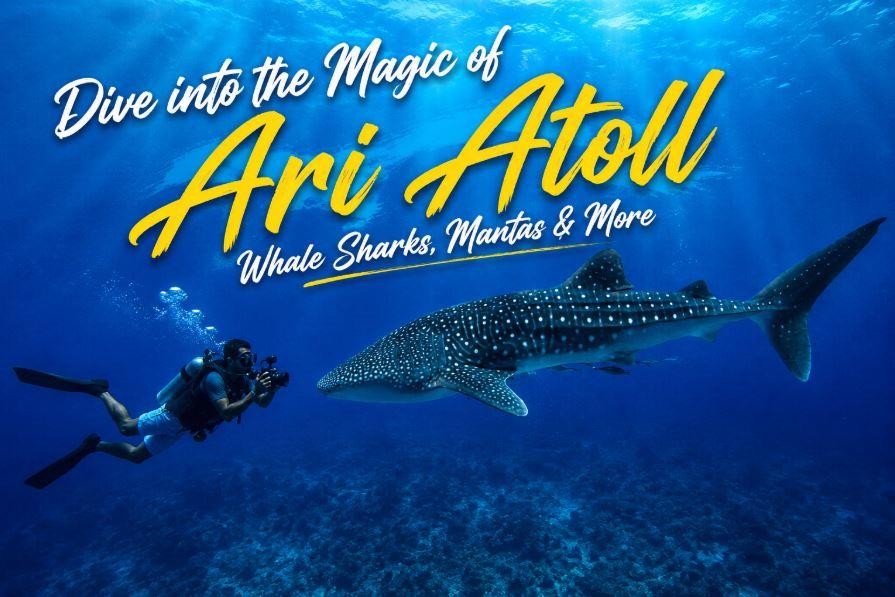
Few places capture the magic of scuba diving in the Maldives quite like Ari Atoll. Famous for whale sharks, manta rays, reef sharks and spectacular underwater pinnacles known as thilas, Ari Atoll combines big-animal encounters with some of the country's most exciting reef diving.
Whether you're planning your first Maldives dive holiday or returning in search of bigger marine encounters, here's what makes diving in Ari Atoll so special.
Why Ari Atoll Is One of the Maldives' Best Diving Destinations
Ari Atoll, traditionally known as Alifu Atoll, lies west of the central Maldives and is generally divided into North Ari Atoll (Alifu Alifu) and South Ari Atoll (Alifu Dhaalu).
For divers, that distinction matters.
North Ari is particularly famous for thilas, reef sharks, schooling fish and celebrated sites such as Maaya Thila and Fish Head. South Ari, meanwhile, has become internationally known for encounters with whale sharks and manta rays.
The result is an exceptionally varied diving destination where one trip can include gentle reef dives, current-swept pinnacles, shark encounters and dives searching the blue for some of the ocean's largest animals.
Whale Sharks: The Stars of South Ari Atoll
For many visitors, there is one major reason to choose Ari Atoll: whale sharks.
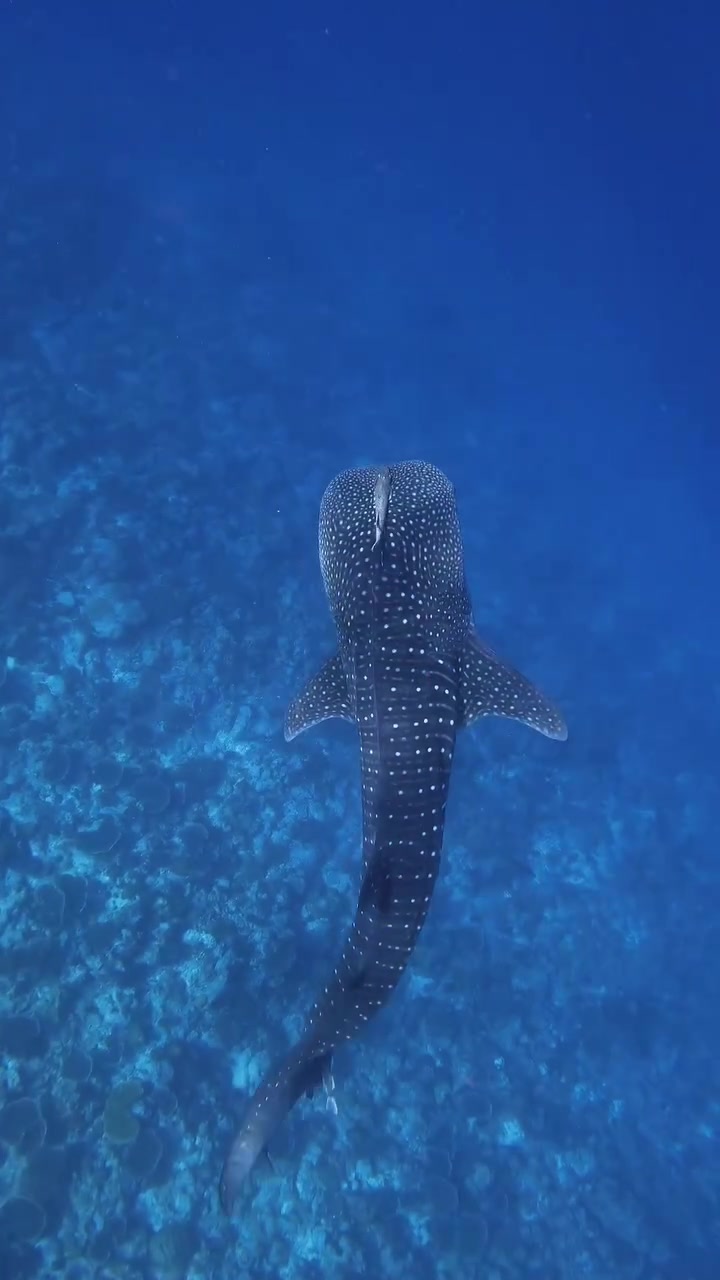
South Ari Atoll is one of the Maldives' best-known areas for encountering these enormous but gentle filter-feeding sharks. Whale sharks can occur around South Ari throughout the year, although sightings are wild encounters and can never be guaranteed.
The waters around Dhigurah and Maamigili are particularly famous for whale shark excursions.
Sometimes the best encounter isn't even underwater on scuba. When a whale shark is located near the surface, snorkeling can provide an extraordinary opportunity to watch it glide through the tropical Indian Ocean.
Responsible Whale Shark Encounters
Seeing a whale shark is exciting, but responsible behavior is essential.
Divers and snorkelers should:
-
Maintain a respectful distance.
-
Never touch or chase a whale shark.
-
Avoid blocking its direction of travel.
-
Follow instructions from local dive guides.
-
Avoid crowding an animal with other swimmers.
-
Never attempt to ride or hold onto marine life.
The goal should always be to observe the animal without changing its natural behavior.
Diving With Manta Rays in Ari Atoll
Whale sharks aren't Ari's only giants.
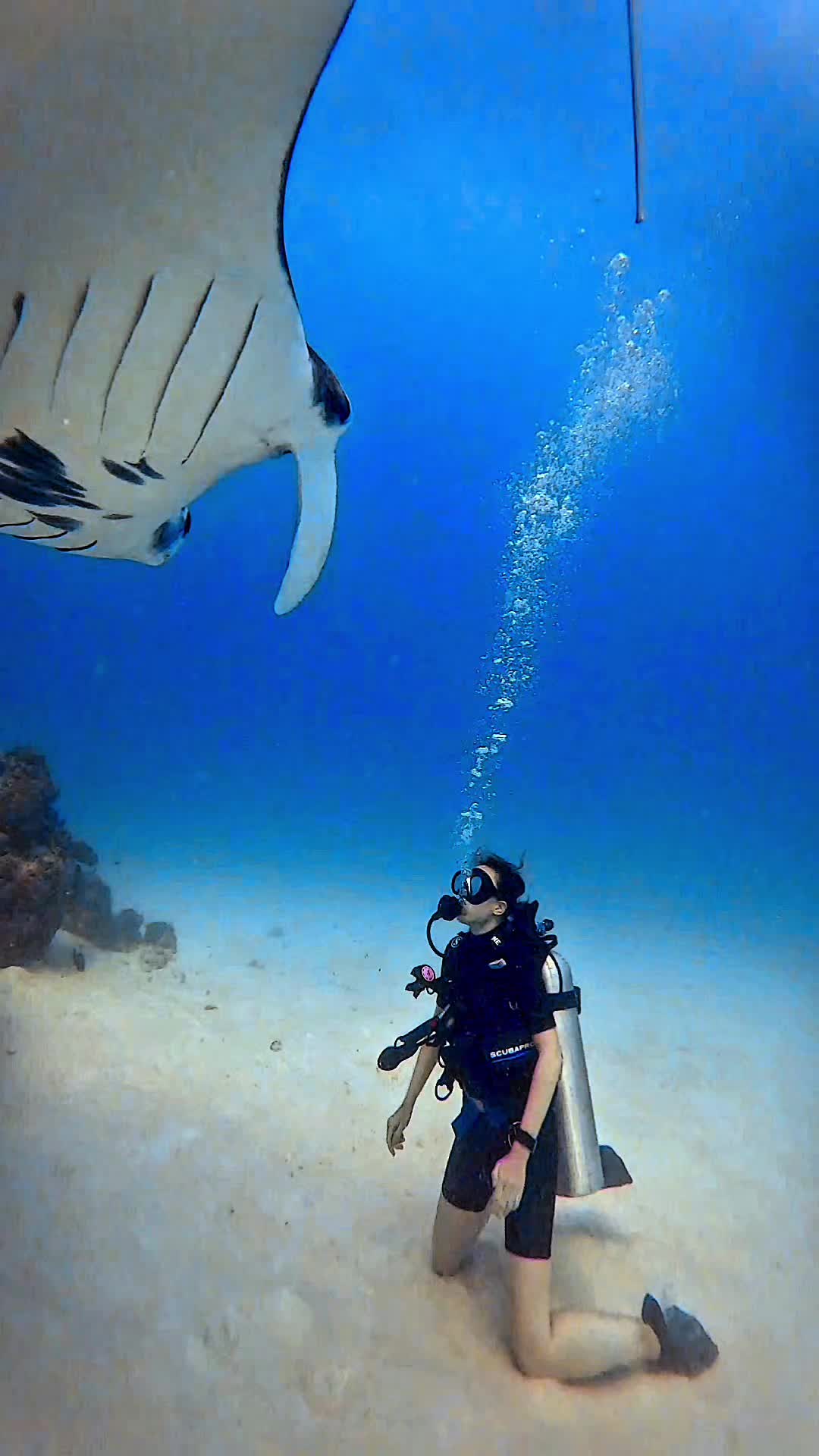
Manta rays are another major attraction, with several cleaning stations and feeding areas found around the atoll. At cleaning stations, mantas may circle slowly above the reef while small cleaner fish remove parasites from their bodies.
Watching a manta ray pass overhead can be one of the most memorable experiences of a Maldives diving holiday.
Visibility, currents, plankton concentrations and seasonal conditions can all influence where mantas appear, so local dive centers are invaluable when deciding which sites to visit.
Best Dive Sites in Ari Atoll
Ari Atoll contains dozens of dive locations, ranging from relatively easy reefs to current-heavy sites better suited to experienced divers.
Here are several of the names you're likely to encounter when researching an Ari Atoll diving trip.
1. Maaya Thila
Maaya Thila is one of North Ari Atoll's iconic dive sites.
This submerged pinnacle attracts an impressive mixture of marine life. Depending on conditions, divers may encounter whitetip reef sharks, grey reef sharks, turtles, moray eels and large schools of tropical fish.
Maaya Thila is particularly famous for night diving.
Once darkness falls, the character of the reef changes dramatically. Predators become more active, creating a completely different experience from diving the same site during daylight.
2. Fish Head
Also known as Mushimasmingili Thila, Fish Head is another celebrated Ari Atoll dive.
Its combination of currents and reef structure supports abundant marine life, including grey reef sharks, Napoleon wrasse, eagle rays, groupers and dense schools of fish.
For underwater photographers, the combination of sharks and schooling fish can produce spectacular scenes.
3. Kudarah Thila
Kudarah Thila is one of South Ari's well-known pinnacle dives.
The reef's overhangs and coral-covered structures provide habitat for numerous reef species, while clouds of schooling fish can surround divers when conditions are favorable.
Currents can make dives more challenging, but they are also one of the reasons these exposed underwater structures attract so much marine life.
4. Dhigurah Area
The waters surrounding Dhigurah are especially attractive to travelers whose main goal is seeing large marine animals.
The southern outer reef of Ari Atoll is strongly associated with whale shark encounters, making Dhigurah a popular base for both divers and snorkelers.
The area also offers reef diving with turtles, rays, sharks and colorful reef fish.
5. Maamigili Area
Near the southern end of Ari Atoll, Maamigili is another important area for whale shark excursions.
Dive boats frequently explore the outer reefs searching for whale sharks cruising close to the surface.
Because these are wild animals, patience is important. Some trips produce incredible encounters; on others, the ocean decides not to cooperate.
That's part of the adventure.
What Marine Life Can You See?
Ari Atoll's biodiversity extends far beyond its two most famous residents.
Depending on the dive site and season, you may encounter:
-
Whale sharks
-
Manta rays
-
Grey reef sharks
-
Whitetip reef sharks
-
Nurse sharks
-
Eagle rays
-
Stingrays
-
Green and hawksbill turtles
-
Napoleon wrasse
-
Giant trevally
-
Barracuda
-
Tuna
-
Moray eels
-
Groupers
-
Fusiliers
-
Snappers
-
Anemonefish
-
Large schools of tropical reef fish
Macro enthusiasts can also search the reef for smaller creatures, while underwater photographers will find everything from colorful coral scenes to wide-angle pelagic encounters.
North Ari vs South Ari: Which Is Better?
There's no simple winner.
Choose North Ari if you want:
Classic thila diving, sharks, schooling fish and famous sites such as Maaya Thila and Fish Head.
Choose South Ari if you want:
Whale sharks, manta rays and big-animal encounters to be a major focus of your trip.
If you have enough time, combining both provides the most complete Ari Atoll diving experience.
What Is a Thila?
You'll hear the word "thila" constantly while diving in the Maldives.
A thila is essentially a submerged reef or underwater pinnacle whose top remains below the surface.
These formations are extremely important for Maldives diving because ocean currents flow around and over them, bringing nutrients and attracting marine life.
Corals grow along the structure while schooling fish gather around its edges. Predators such as reef sharks, tuna and trevally may patrol the current.
This combination can turn a relatively small underwater pinnacle into an extraordinary concentration of marine activity.
Is Ari Atoll Suitable for Beginner Divers?
Yes—but choose your dive sites carefully.
Ari Atoll offers locations suitable for beginners as well as challenging dives requiring greater experience.
Sheltered reefs and calmer sites can be excellent for newer divers. Strong-current thilas and deeper sites may require advanced certification, good buoyancy control and previous drift-diving experience.
A reputable dive center should evaluate your experience before selecting appropriate sites.
Never choose a dive simply because it's famous. Conditions on the day matter more than the name of the dive site.
Currents in Ari Atoll
Currents are an important part of Maldives diving.
They're also part of the reason the underwater ecosystem can be so spectacular.
Moving water carries nutrients through channels and around reefs, attracting schooling fish and larger predators.
However, currents can change quickly.
Listen carefully during your dive briefing, stay close to your guide and make sure you understand procedures for drift dives, negative entries and safety stops.
Best Time for Diving in Ari Atoll
Ari Atoll offers diving throughout the year, but conditions vary with the Maldives' monsoon cycles.
The northeast monsoon period, broadly covering the drier part of the year, often brings calmer weather and excellent visibility to many areas.
The southwest monsoon can bring more cloud, wind and rain, but increased plankton can also create interesting opportunities for encounters with filter-feeding marine animals.
There isn't necessarily one perfect month for every diver.
If your priority is visibility, your ideal travel period may differ from someone whose main goal is finding mantas or whale sharks.
Resort, Local Island or Liveaboard?
One advantage of Ari Atoll is the variety of ways you can experience it.
Resort Diving
Ari contains numerous resort islands with established dive centers.
This is ideal for travelers who want to combine diving with a traditional Maldives resort holiday.
Local Island Diving
Local islands including Dhigurah, Dhangethi and others have made Ari Atoll increasingly accessible to independent travelers.
Guesthouses combined with local dive centers can provide a more affordable alternative to luxury resorts.
Liveaboard Diving
For serious divers, a Maldives liveaboard can be one of the best ways to explore Ari.
Liveaboards can move between dive sites according to conditions, allowing divers to experience different parts of the atoll during one itinerary.
Many central Maldives liveaboard routes combine Ari with other famous diving regions.
Tips for an Ari Atoll Diving Trip
Bring proof of your diving certification and recent dive history, and consider completing a refresher if you haven't been underwater for a while.
Nitrox certification can also be useful on multi-dive days.
Most importantly, keep your expectations flexible.
Whale sharks, manta rays and reef sharks are wild animals. No responsible dive operator can guarantee exactly what you'll see.
Sometimes the unexpected dive becomes the highlight of the entire holiday.
Why Ari Atoll Belongs on Every Diver's Maldives Bucket List
There are beautiful coral reefs throughout the Maldives, but Ari Atoll offers something particularly compelling: variety.
One morning could begin with reef sharks circling a current-swept thila. The afternoon might be spent searching the blue for a whale shark. Another day could bring manta rays, turtles and enormous schools of reef fish.
Then, after sunset, you can descend again and discover an entirely different reef coming alive in the darkness.
For divers dreaming about the Maldives, Ari Atoll isn't simply another place to scuba dive—it's one of the destinations that defines Maldives diving.
FAQ: Diving in Ari Atoll
Is Ari Atoll good for scuba diving?
Yes. Ari Atoll is one of the Maldives' best-known diving regions, offering thilas, reefs, sharks, manta rays, whale sharks and abundant schooling fish.
Can you see whale sharks in Ari Atoll?
Yes. South Ari Atoll, particularly the outer reef around areas such as Dhigurah and Maamigili, is internationally known for whale shark encounters. Sightings are possible throughout the year but are never guaranteed.
Can you see manta rays in Ari Atoll?
Yes. Manta rays visit cleaning stations and feeding areas around Ari Atoll. Their distribution can vary according to currents, plankton and seasonal conditions.
What are the best dive sites in Ari Atoll?
Famous sites include Maaya Thila, Fish Head (Mushimasmingili Thila), Kudarah Thila and numerous reefs and pinnacles throughout North and South Ari.
Is North Ari or South Ari better for diving?
North Ari is particularly famous for classic thila diving, sharks and sites such as Maaya Thila and Fish Head. South Ari is especially attractive to divers hoping to encounter whale sharks and manta rays.
Is Ari Atoll suitable for beginners?
Yes. There are beginner-friendly dive sites, but Ari also has strong-current and deeper dives requiring more experience. Site selection should always be based on current conditions and the diver's ability.
Can beginners dive with whale sharks?
Potentially, depending on conditions and the specific dive. Many whale shark encounters occur near the surface, making snorkeling another excellent option for non-divers and beginners.
Can you dive Ari Atoll year-round?
Yes. Diving operates throughout the year, although visibility, weather, currents and marine-life activity vary seasonally.
Is a liveaboard the best way to dive Ari Atoll?
A liveaboard is excellent for divers wanting to cover many sites, but it isn't essential. Resorts and local islands also offer convenient access to excellent Ari Atoll diving.
How many days should I spend diving in Ari Atoll?
A minimum of several diving days is recommended. A week provides more flexibility to explore different sites and adapt the schedule around weather, currents and marine-life activity.

 Dhivehi
 English
 Arabic
 French
 Spanish
 Portuguese
 Turkish
 Dutch
Dutch
 Italiano
 Russian
 Romaian
 Portuguese (Brazil)
 Greek
Greek