

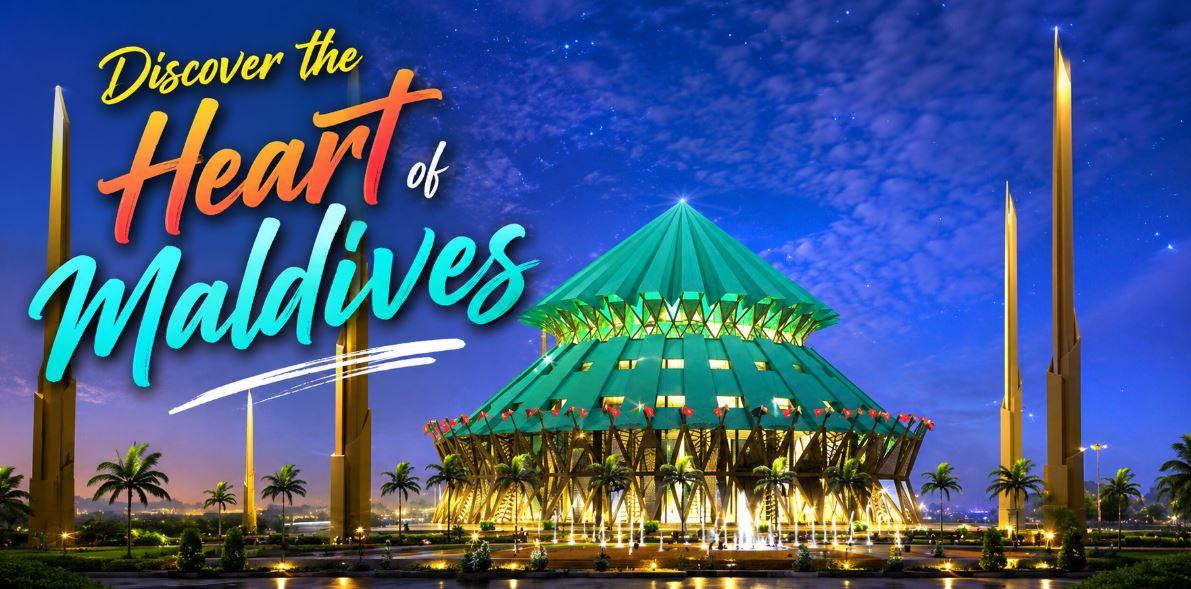
When most travelers imagine the Maldives, they picture tiny tropical islands, turquoise lagoons, white-sand beaches and luxurious overwater villas. But at the heart of this island nation lies somewhere completely different: Malé City, the energetic and densely developed capital of the Maldives.
Malé is the political, commercial and administrative center of the country. Government offices, businesses, banks, schools, hospitals, markets, mosques, restaurants and apartment buildings are packed into a remarkably compact urban landscape.
The contrast between Malé and the Maldives' peaceful resort islands is striking. While resorts are designed around privacy, beaches and open spaces, Malé is filled with narrow streets, motorcycles, shops, cafés and people going about their everyday lives.
For travelers interested in discovering the Maldives beyond its beaches, Malé provides an excellent introduction to the country's history, culture and modern way of life.
Where Is Malé City?
Malé is located in the North Malé Atoll, also known as Kaafu Atoll, in the central region of the Maldives.
The historic center of the capital occupies Malé Island, but the administrative city extends beyond the original island. Hulhumalé and Villimalé are also considered constituencies of Malé City.
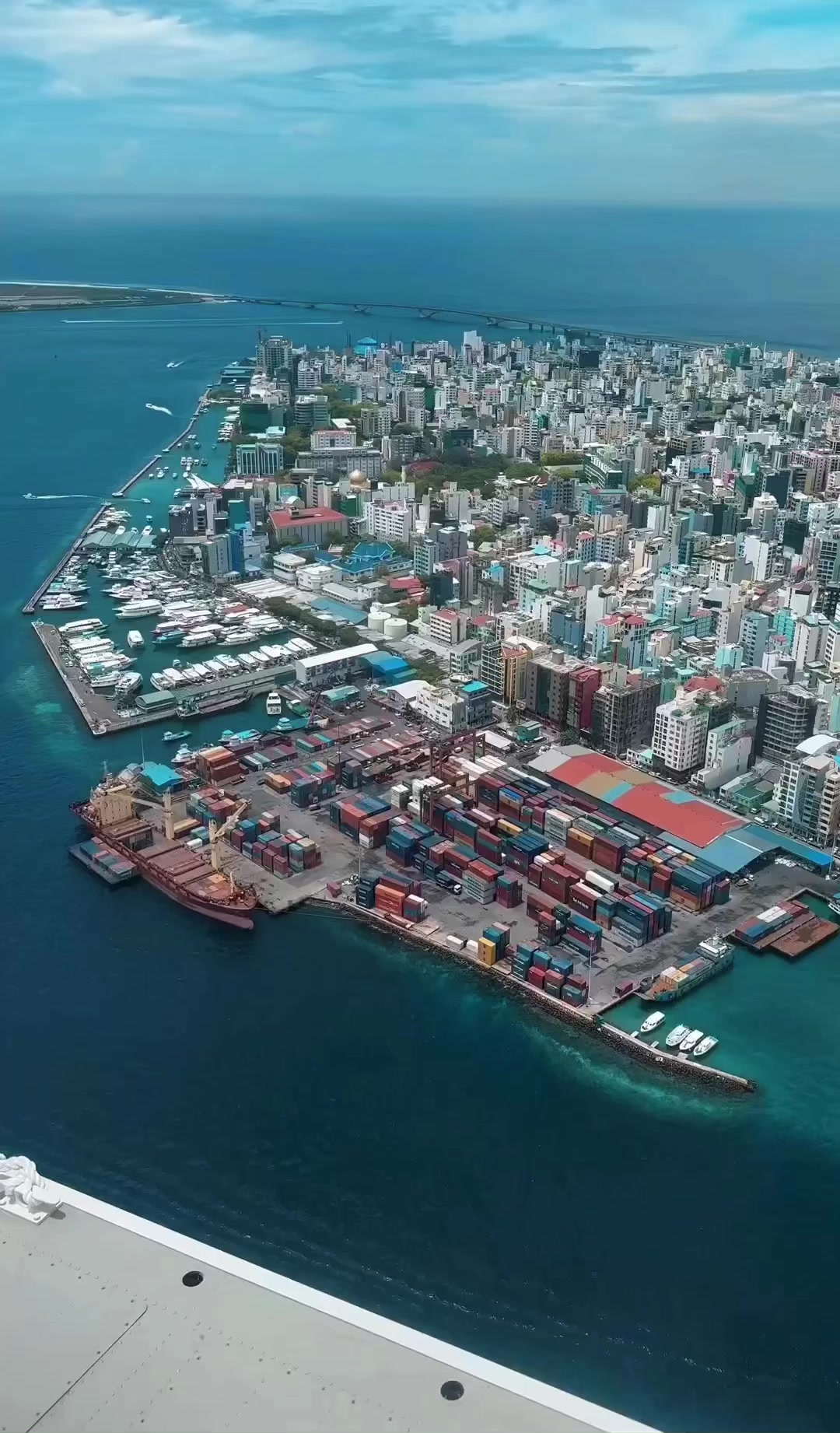
This distinction is important because older descriptions of Malé often refer only to the small original island and therefore quote much smaller population and land-area figures.
The Malé City Council currently lists a population of 252,768, 46,251 households and a total city area of 635 hectares.
That concentration of people and development makes the capital dramatically different from most other inhabited islands in the Maldives.
Malé: The Political and Economic Heart of the Maldives
Malé has long occupied a central position in Maldivian political life.
Today it remains the seat of the country's executive, legislative and judicial institutions and is also the financial and commercial center of the Maldives. Many of the country's most important government offices, businesses and financial institutions are based in the capital.
For Maldivians, therefore, Malé is much more than a tourist destination.
It is a center for employment, education, healthcare, commerce and government. People from islands throughout the archipelago travel to the capital for business, medical treatment, education, shopping and government services.
This constant movement contributes to the city's distinctive energy.
A Very Different Side of the Maldives
Malé can surprise first-time visitors.
There are no sprawling resort grounds or rows of overwater villas. Instead, tall buildings rise above compact streets while motorcycles weave through traffic and small cafés, restaurants and shops occupy almost every available space.
Walk a few streets and you may pass a historic mosque, a modern office tower, a local tea shop, a souvenir store and a busy market.
The waterfront is equally active, with ferries and boats connecting the capital with other parts of the country.
This makes exploring Malé particularly worthwhile for travelers interested in seeing how people actually live in the Maldives.
Best Things to Do in Malé City
Despite its compact size, Malé contains several of the country's most important historical, religious and cultural landmarks.
Many attractions are relatively close together, making the city suitable for exploring on foot when the weather is comfortable.
1. Visit Republic Square
Republic Square, or Jumhooree Maidhaan, is one of the best-known public spaces in Malé.
Located near the northern waterfront, the square is recognizable by its large Maldivian flag and is surrounded by several important government and public buildings. It is also close to some of the capital's major attractions.
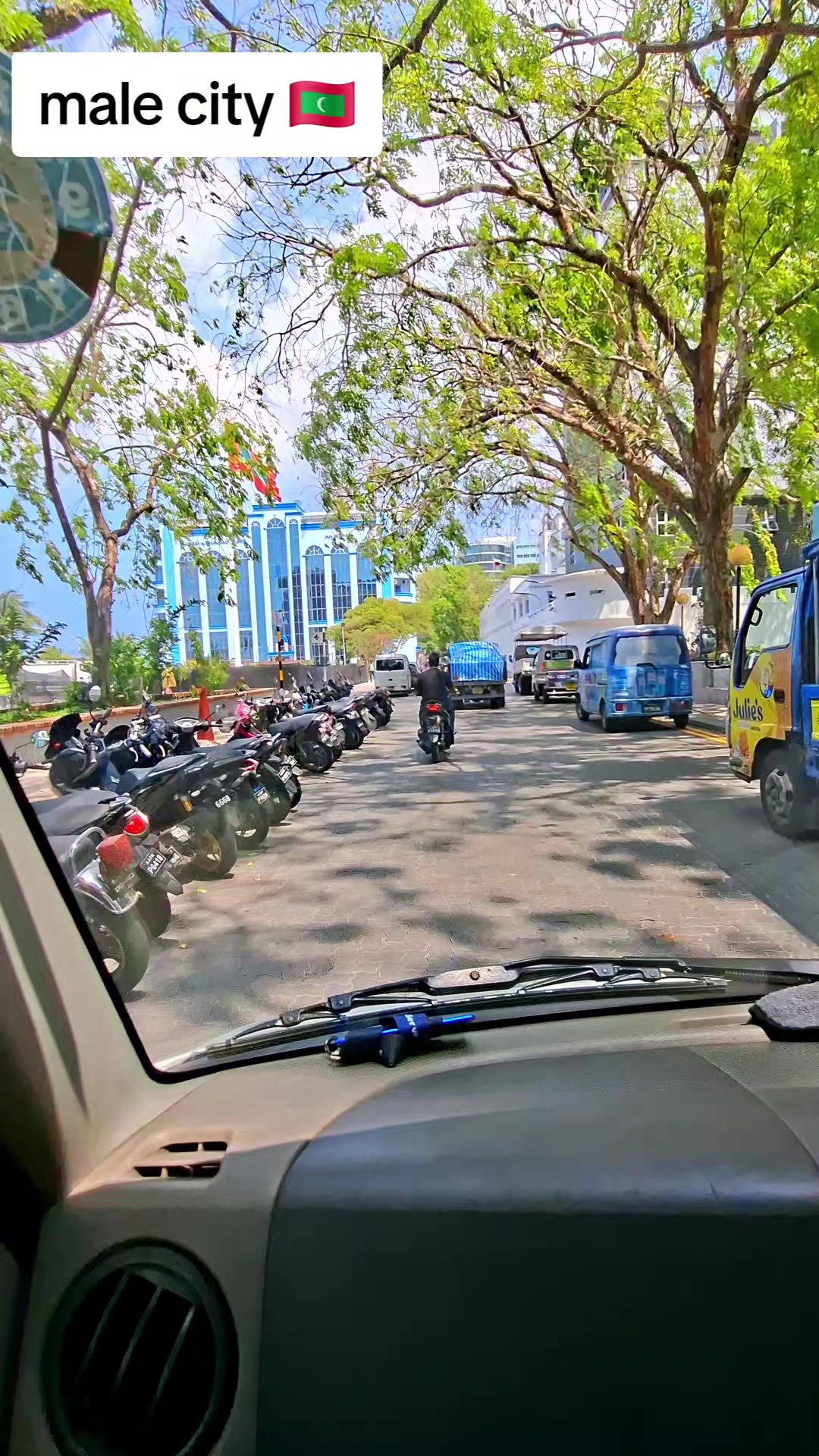
It is a convenient starting point for a walking tour of central Malé.
2. See the Islamic Centre and Grand Friday Mosque
One of the most recognizable landmarks on the Malé skyline is the Islamic Centre, famous for its impressive golden dome.
Opened in 1984, the complex incorporates Maldivian and Islamic architectural influences. It houses a large mosque named after Maldivian national hero Sultan Muhammad Thakurufaanu Al Auzam as well as other facilities.
Visitors should dress respectfully when visiting religious sites and follow any instructions regarding access and prayer times.
3. Discover Hukuru Miskiy
For a deeper look into Maldivian history, visit Hukuru Miskiy, commonly known as the Old Friday Mosque.
The historic mosque is one of the most culturally significant religious landmarks in the capital and provides a striking contrast to Malé's modern buildings.
Its traditional craftsmanship and historical importance make it particularly interesting for visitors wanting to understand the Maldives before the modern tourism era.
4. See Muleeaage
Another important landmark is Muleeaage, the official presidential residence.
The present building was constructed between 1914 and 1919 by Sultan Mohamed Shamsuddeen III for his son, Prince Hassan Izzuddeen. The site itself has historical connections with Maldivian royalty. Over the decades, the building has served various governmental and presidential functions.
Its colorful architecture makes Muleeaage one of the most distinctive historical buildings in central Malé.
5. Explore the National Museum
Travelers interested in Maldivian history should consider visiting the National Museum.
Its collections provide insight into different periods of the country's history and cultural development.
A museum visit can be especially useful early in a Maldives holiday because it gives greater context to the traditions, objects and historical influences visitors may encounter elsewhere in the islands.
6. Walk Through Sultan Park
Near the National Museum is Sultan Park, providing a welcome patch of greenery within the densely built capital.
After exploring Malé's busy streets, the park offers a quieter environment in which to relax before continuing a city tour.
7. Experience Malé's Local Markets
Markets are among the best places to experience everyday life in the capital.
The city's market areas sell an assortment of local produce and goods arriving from islands across the Maldives.
Depending on availability, visitors may encounter coconuts, bananas, watermelons, papayas, vegetables and other local products.
Nearby fish-market areas provide an entirely different experience and demonstrate the continuing importance of fishing to Maldivian life.
Fresh tuna is particularly important in traditional Maldivian cuisine.
8. Explore the Streets of Malé
One of the simplest ways to experience Malé is simply to walk.
The compact streets reveal a side of the Maldives that resort visitors rarely encounter.
Small restaurants, bakeries, cafés, clothing shops, electronics stores, souvenir shops and local businesses fill the city.
Walking also makes it easier to notice small details of Maldivian urban life that would otherwise be missed when traveling by vehicle.
Shopping in Malé
Malé is one of the country's main shopping centers.
Visitors can find everything from everyday household products and electronics to clothing, perfumes and souvenirs.
Tourist-oriented stores sell items such as handicrafts, miniature traditional boats, decorative products and Maldives-themed gifts.
When purchasing souvenirs, travelers should be mindful of regulations concerning protected marine products and avoid buying items made from endangered or protected species.
Food and Restaurants in Malé
Malé is an excellent place to explore Maldivian food.
Traditional cuisine is strongly influenced by the country's island geography, with tuna, coconut, chili and rice appearing frequently.
Popular foods worth trying include mas huni, typically prepared with tuna, coconut, onion and chili and commonly eaten at breakfast.
Another local favorite is hedhikaa, the collective term for Maldivian short eats or snacks.
These are often enjoyed with tea at local cafés and may include fish-filled pastries and fried snacks.
Alongside traditional Maldivian cuisine, Malé has restaurants serving Indian, Sri Lankan, Thai, Chinese, Middle Eastern and international dishes.
Malé and Hulhumalé
The growth of the capital cannot be understood without mentioning Hulhumalé.
Hulhumalé is an artificially reclaimed island and is administratively associated with Malé City.
It was developed partly to provide additional land and housing in response to the severe space constraints faced by the traditional capital.
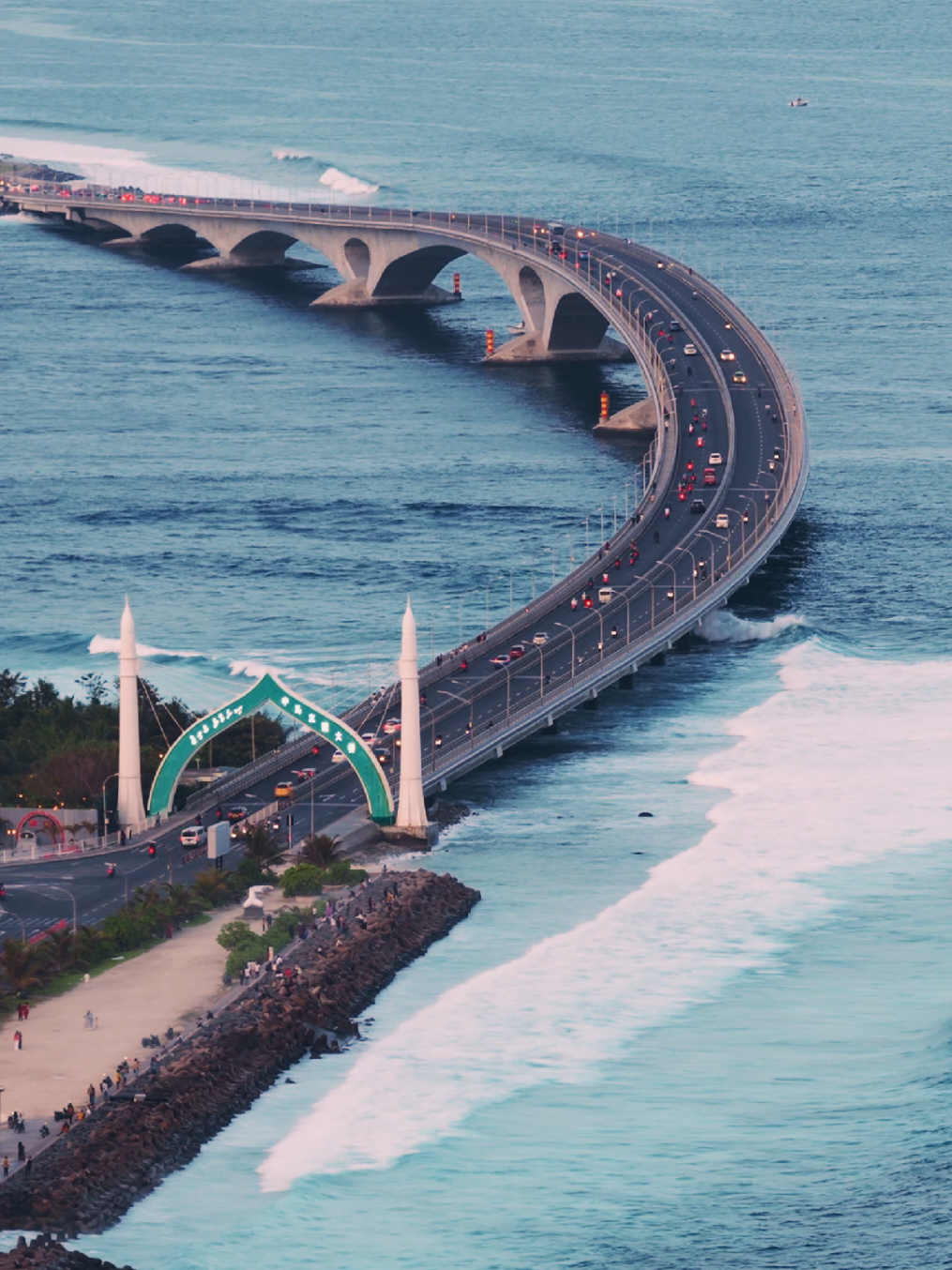
Today Hulhumalé has developed into a substantial urban area with apartment buildings, hotels, guesthouses, restaurants, parks, shops and public facilities.
The expansion has changed the geography of the Maldives' metropolitan area considerably compared with older descriptions that treated Malé almost exclusively as the original compact island.
Velana International Airport and Malé
International travelers arriving in the Maldives generally enter the country through Velana International Airport (MLE).
The airport is situated on Hulhulé Island, immediately beside the capital region.
Modern road connections have made movement between the airport, Malé and Hulhumalé considerably easier than it was in the past.
This convenient location makes it possible for travelers with sufficient time before a domestic flight, seaplane transfer or resort speedboat to consider exploring the capital.
However, always leave plenty of time to return to the airport or transfer point.
How Long Do You Need in Malé?
You do not necessarily need several days to experience the main attractions of Malé.
A half-day tour can cover several central landmarks, while a full day allows visitors to explore at a more relaxed pace, visit markets and museums, stop for local food and spend more time walking through the city.
An overnight stay can be useful for travelers with flights or resort transfers on different days.
Travelers who want beaches and a more spacious urban environment may also consider staying in Hulhumalé while making a separate trip into central Malé.
Best Time to Explore Malé
Malé can be visited throughout the year.
The Maldives generally experiences warm tropical conditions year-round, so lightweight clothing is practical.
For walking tours, mornings and later afternoons are often more comfortable than the hottest part of the day.
Rain showers can occur, particularly during wetter periods, so carrying a compact umbrella can be useful.
What to Wear in Malé
Visitors should remember that Malé is a local Maldivian community rather than a private resort island.
The Maldives is a Muslim country, and modest clothing is appropriate when exploring inhabited islands.
Lightweight shirts, dresses, skirts, trousers and similar clothing that provides reasonable coverage are suitable for walking around the capital.
More conservative clothing is expected when visiting mosques and religious sites.
Is Malé Worth Visiting?
Yes—particularly if you want to understand the Maldives beyond its famous resorts.
Malé is not intended to provide the same experience as a private island. That difference is precisely what makes it interesting.
Here you can observe everyday Maldivian life, visit historic mosques, explore markets, taste local food and see how an extraordinarily compact island capital functions.
Official tourism information describes Malé as both the country's governmental center and its financial and commercial capital.
A few hours in the city can therefore provide cultural context that is difficult to obtain from a resort alone.
Malé City Facts
Country: Republic of Maldives
Capital: Malé
Region: North Malé Atoll / Kaafu Atoll
Language: Dhivehi; English is widely used in tourism and many businesses
Currency: Maldivian Rufiyaa (MVR)
Main International Airport: Velana International Airport (MLE)
City Population: Malé City Council currently lists 252,768 residents
City Area: Malé City Council lists 635 hectares
Administrative City: Includes Malé and associated urban constituencies such as Hulhumalé and Villimalé
Malé: The Urban Heart of an Island Nation
Malé represents a fascinating side of the Maldives that is easily overshadowed by the country's world-famous beaches.
For generations, the capital has stood at the center of Maldivian political, commercial and social life. Today, its dense streets and growing metropolitan surroundings demonstrate how rapidly the country has developed.
Historic mosques and royal-era landmarks stand only minutes away from modern offices, shops and apartment towers. Fishing boats share the waterfront with ferries and speedboats, while local markets remain part of daily life despite the rapid modernization surrounding them.
Hulhumalé has meanwhile created additional room for the expanding capital region, transforming what was once an extremely constrained island city into a broader metropolitan area.
For travelers, Malé City offers something that even the most luxurious Maldives resort cannot replicate: an opportunity to experience the everyday heartbeat of the country.
Whether you have only a few hours before your resort transfer or choose to spend an entire day exploring, visiting the capital of the Maldives adds history, culture and local perspective to a tropical holiday otherwise dominated by beaches and lagoons.

 Dhivehi
 English
 Arabic
 French
 Spanish
 Portuguese
 Deutsch
 Turkish
 Dutch
Dutch
 Italiano
 Russian
 Portuguese (Brazil)
 Greek
Greek