
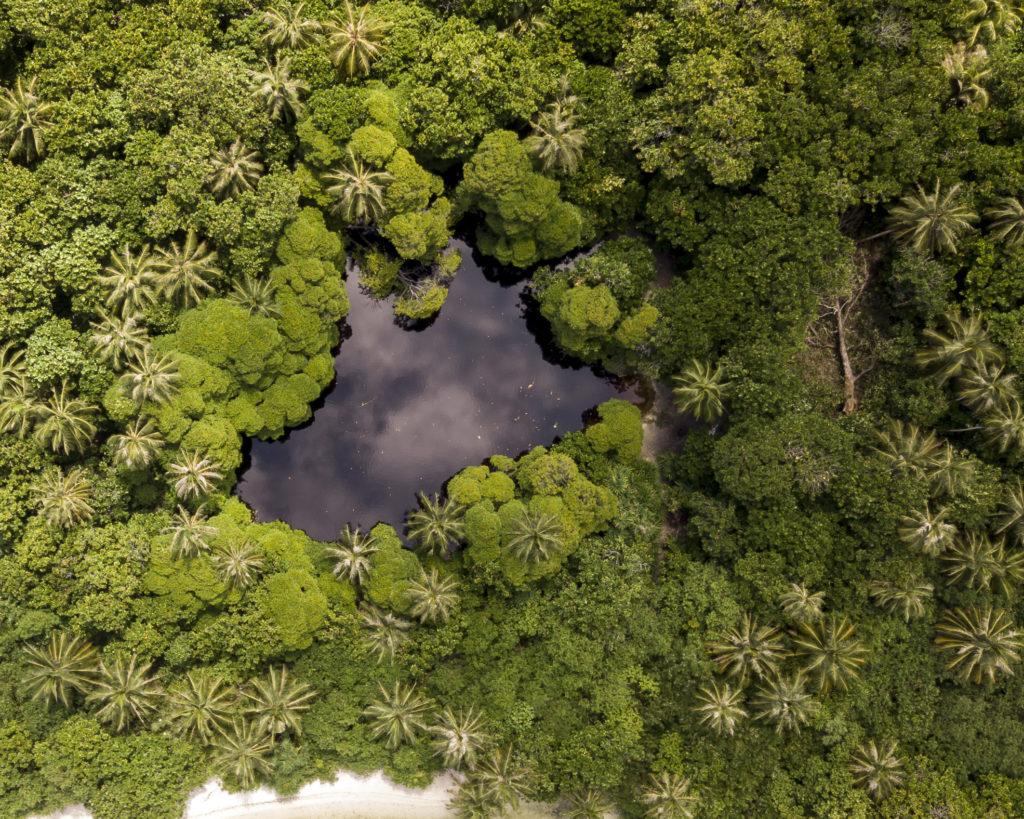
Laamu Atoll
Laamu Atoll, Maldives
Laamu Atoll, also known as Haddhunmathi Atoll, is a beautiful southern atoll of the Maldives known for its long stretches of white-sand beaches, clear lagoons, coral reefs, and traditional island...
77views
Laamu Atoll, also known as Haddhunmathi Atoll, is a beautiful southern atoll of the Maldives known for its long stretches of white-sand beaches, clear lagoons, coral reefs, and traditional island communities. The atoll offers excellent diving, snorkeling, surfing, fishing, and opportunities to experience authentic Maldivian island life. Fonadhoo serves as the administrative capital of Laamu Atoll, while Gan is one of its largest and most historically significant islands.
Laamu Atoll, traditionally known as Haddhunmathi Atoll, is located in the southern part of the Maldives. It is a large natural atoll made up of inhabited islands, uninhabited islands, reefs, lagoons, and extensive coral formations surrounded by the warm waters of the Indian Ocean. The region is known for its natural beauty, relatively peaceful atmosphere, and strong connection to traditional Maldivian culture.
The administrative capital of Laamu Atoll is Fonadhoo. Other important inhabited islands include Gan, Isdhoo, Maabaidhoo, Kunahandhoo, Maamendhoo, Dhanbidhoo, Mundoo, Kalaidhoo, Hithadhoo, Maavah, and Gaadhoo. Gan is particularly notable for its size, history, local communities, and archaeological remains connected to the Maldives' pre-Islamic past.
Laamu Atoll has an exceptionally rich marine environment. Its reefs, channels, lagoons, and open-ocean areas support colorful reef fish, rays, sharks, turtles, dolphins, and many other forms of marine life. These conditions make the atoll attractive for scuba diving, snorkeling, recreational fishing, dolphin watching, and other ocean activities.
The atoll is also increasingly known among surfers. Several reef breaks in the region provide good surfing conditions during the appropriate season, attracting both local and international surfers. Compared with the more heavily developed tourism areas near Malé, many parts of Laamu retain a quieter and more remote character.
Local livelihoods have traditionally been connected to fishing, agriculture, boat building, trade, and other marine-based activities. Coconut palms and tropical vegetation cover many of the islands, while some larger islands contain areas suitable for agriculture and local food production.
Laamu also has considerable historical importance. Archaeological sites found on islands such as Gan, Isdhoo, and Dhanbidhoo provide evidence of ancient settlements and Buddhist communities that existed before the Maldives converted to Islam in the 12th century. These remains make the atoll an important area for understanding the early history and cultural development of the Maldives.
Tourism in Laamu combines luxury resorts with opportunities to visit local islands and experience everyday Maldivian life. Visitors can enjoy pristine beaches, turquoise lagoons, diving and snorkeling excursions, surfing, fishing trips, island tours, and traditional Maldivian food and culture.
With its combination of natural beauty, marine biodiversity, historical significance, traditional communities, and relatively untouched island landscapes, Laamu Atoll is one of the Maldives' most distinctive southern destinations. It offers travelers an opportunity to explore both the tropical beauty of the country and a deeper side of Maldivian history and island culture.
Laamu Atoll has an exceptionally rich marine environment. Its reefs, channels, lagoons, and open-ocean areas support colorful reef fish, rays, sharks, turtles, dolphins, and many other forms of marine life. These conditions make the atoll attractive for scuba diving, snorkeling, recreational fishing, dolphin watching, and other ocean activities.
The atoll is also increasingly known among surfers. Several reef breaks in the region provide good surfing conditions during the appropriate season, attracting both local and international surfers. Compared with the more heavily developed tourism areas near Malé, many parts of Laamu retain a quieter and more remote character.
Local livelihoods have traditionally been connected to fishing, agriculture, boat building, trade, and other marine-based activities. Coconut palms and tropical vegetation cover many of the islands, while some larger islands contain areas suitable for agriculture and local food production.
Laamu also has considerable historical importance. Archaeological sites found on islands such as Gan, Isdhoo, and Dhanbidhoo provide evidence of ancient settlements and Buddhist communities that existed before the Maldives converted to Islam in the 12th century. These remains make the atoll an important area for understanding the early history and cultural development of the Maldives.
Tourism in Laamu combines luxury resorts with opportunities to visit local islands and experience everyday Maldivian life. Visitors can enjoy pristine beaches, turquoise lagoons, diving and snorkeling excursions, surfing, fishing trips, island tours, and traditional Maldivian food and culture.
With its combination of natural beauty, marine biodiversity, historical significance, traditional communities, and relatively untouched island landscapes, Laamu Atoll is one of the Maldives' most distinctive southern destinations. It offers travelers an opportunity to explore both the tropical beauty of the country and a deeper side of Maldivian history and island culture.
Population & Statistics
Geography
Latitude
1.8899418 degreesLongitude
73.3140027 degreesTime zone
Indian/MaldivesAdministrative region
Laamu AtollCountry
MaldivesGuest Reviews & Ratings
0 reviews
5
4
3
2
1
0
0 reviews
No reviews yet. Be the first to review this place.
0مهتم
0Visited
0Check-ins
الصور
7
+3
Key Facts
Time zone: Indian/Maldives