

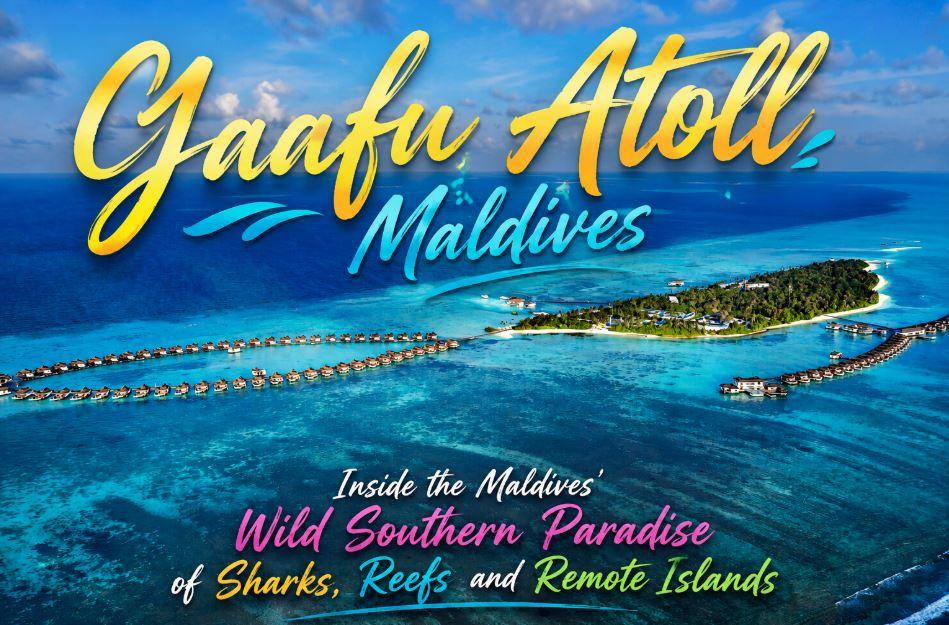
Far from the busier resort regions around Malé lies a much wilder side of the Maldives. Gaafu Atoll, also known as Huvadhoo Atoll, is a vast tropical world of remote islands, deep channels, spectacular coral reefs and remarkably clear blue water.
For travellers willing to journey into the far south, Gaafu Atoll offers something increasingly difficult to find: space, seclusion and an extraordinary underwater environment without the crowds associated with the Maldives' most visited atolls.
Why Gaafu Atoll Is One of the Maldives' Most Extraordinary Destinations
Gaafu Atoll sits in the southern Maldives, close to the equatorial region. Huvadhoo is one of the world's great natural atoll systems and the second-largest natural atoll in the Maldives, covering an area of just under 3,200 square kilometres.
The enormous natural atoll is divided administratively into two regions:
-
Gaafu Alifu Atoll — North Huvadhoo
-
Gaafu Dhaalu Atoll — South Huvadhoo
Together, they form an immense landscape of coral reefs, inhabited islands, uninhabited tropical islands, sandbanks and deep ocean channels.
Unlike destinations where resorts sit close together, Gaafu can feel almost limitless. Look across the horizon and you may see nothing but turquoise lagoon, reef and the Indian Ocean.
That isolation is precisely what makes it special.
A Maldives Destination That Still Feels Wild
Many travellers imagine the Maldives as tiny islands surrounded by shallow turquoise lagoons. Gaafu Atoll certainly has those postcard-perfect scenes, but its geography is far more dramatic.
Huvadhoo stretches approximately 82 kilometres from north to south and reaches around 65 kilometres across at its widest point.
Inside its huge reef system is a deep central lagoon, while the outer edge is broken by numerous channels connecting the lagoon with the open Indian Ocean.
These channels play an important role in Gaafu's marine ecosystem.
Ocean currents move through them carrying nutrients into and out of the atoll, creating productive environments where reef fish and larger marine species gather.
The result is one of the biggest attractions of Gaafu Atoll: an exceptional underwater world.
Diving in Gaafu Atoll
For experienced divers, diving in Gaafu Atoll can be one of the highlights of a Maldives holiday.
The region features everything from outer reef walls and channels to coral formations, caves, overhangs and dramatic drop-offs.
Depending on the dive site, season and conditions, divers may encounter:
-
Grey reef sharks
-
Whitetip reef sharks
-
Eagle rays
-
Manta rays
-
Sea turtles
-
Barracuda
-
Tuna
-
Trevally
-
Large schools of tropical reef fish
The deep channels are particularly exciting because currents can attract larger pelagic marine life.
Some dives can involve stronger currents, meaning certain sites are better suited to experienced divers. Conditions vary considerably, so diving with an established local or resort dive centre is essential.
Huvadhoo Kandu and the Atoll's Famous Channels
One geographical feature that helps define the region is Huvadhoo Kandu, the enormous channel separating Huvadhoo from the atolls farther north.
The combination of open-ocean exposure and numerous passages through Huvadhoo's reef system has helped make the southern Maldives popular with experienced divers and liveaboard travellers.
Rather than simply exploring a single house reef, diving itineraries can move between channels, outer reefs and remote underwater formations.
This diversity is one reason Gaafu regularly appears on southern Maldives liveaboard routes.
Snorkeling in Gaafu Atoll
You don't have to be a scuba diver to experience Gaafu's underwater scenery.
Many resort islands have accessible house reefs where snorkellers can encounter colourful reef fish, coral formations and, depending on location and luck, turtles, rays and reef sharks.
For beginners, protected lagoon areas can provide calmer conditions.
More experienced snorkellers may prefer organised boat excursions to reefs farther from their island.
Always follow local guidance regarding currents. Water that appears calm from the surface can still have significant movement around channels and reef entrances.
Surfing in Gaafu Atoll
Gaafu Atoll is also emerging as an alternative destination for surfing in the Maldives.
The southern atolls receive Indian Ocean swells and contain reef breaks that remain considerably less crowded than famous surfing areas closer to Malé.
That makes Gaafu particularly attractive to surfers who value isolation as much as wave quality.
Surf conditions depend heavily on swell direction, wind and season, so travellers visiting specifically for surfing should choose accommodation based on access to suitable breaks rather than simply selecting the closest resort.
Beaches, Lagoons and Deserted Islands
Of course, Gaafu isn't only for divers and surfers.
Its sheer size creates countless opportunities for the classic Maldives experience.
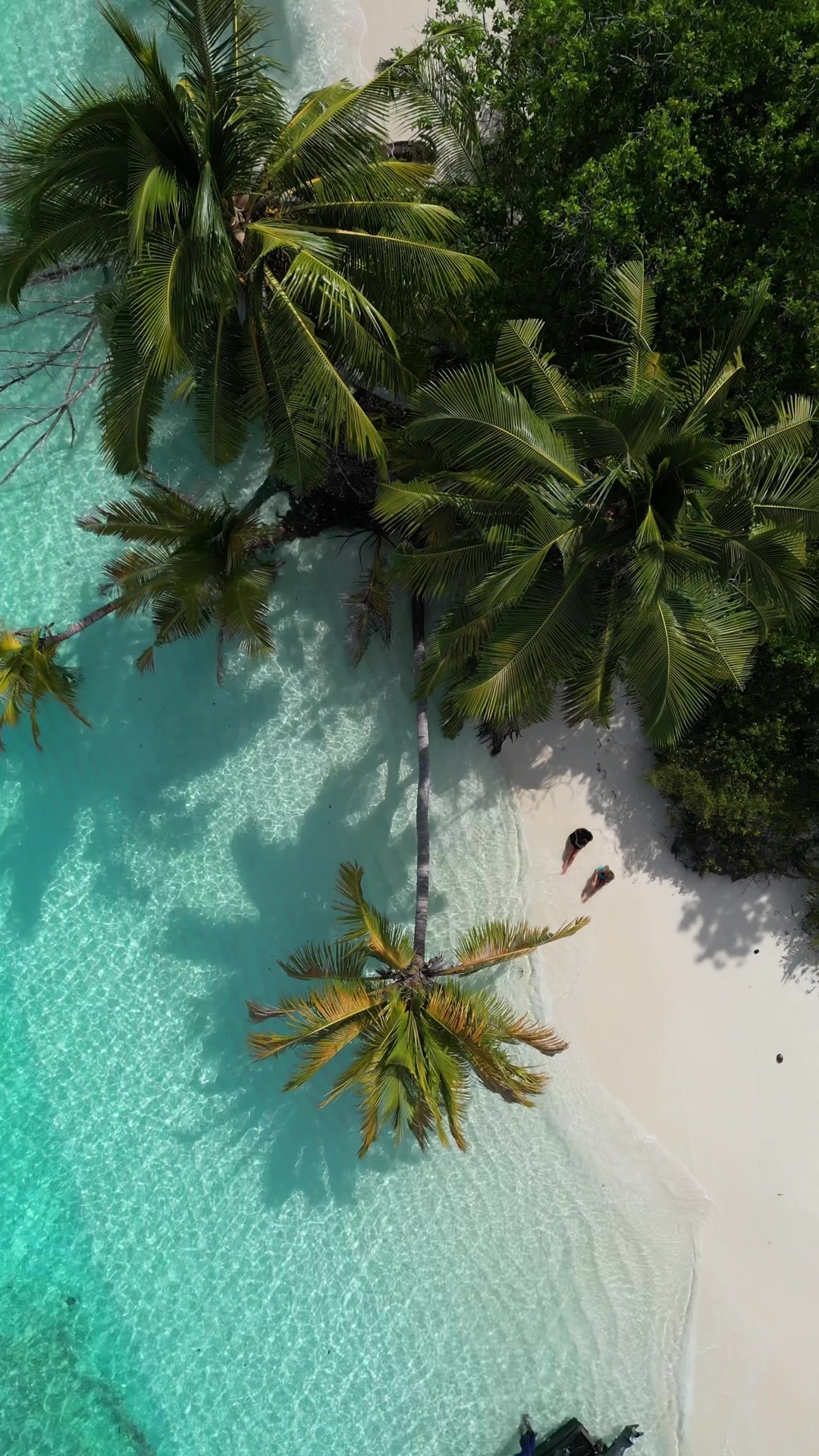
Imagine stepping onto a sandbank surrounded by different shades of blue, swimming across a quiet lagoon or arriving by boat at an uninhabited island with no buildings in sight.
Popular experiences can include sandbank picnics, sunset cruises, dolphin watching, fishing trips, kayaking, paddleboarding, snorkeling excursions and private-island visits.
For honeymooners and couples, Gaafu's remoteness can be one of its greatest advantages.
There are simply fewer signs of the outside world.
Local Islands and Huvadhoo Culture
Gaafu Atoll also has a cultural identity distinct from the resort image of the Maldives.
Communities have lived across Huvadhoo for generations, traditionally relying heavily on fishing, seafaring, craftsmanship and trade.
One fascinating characteristic is Huvadhoo Bas, the distinctive local dialect traditionally associated with the region.
The geographical isolation of southern communities helped preserve linguistic and cultural differences that visitors may notice when travelling beyond the resorts.
Local-island tourism also provides travellers with an alternative to private resorts.
Guesthouses can offer opportunities to experience everyday Maldivian island life while exploring nearby reefs, beaches and fishing grounds.
Visitors staying on inhabited islands should remember that these are communities rather than resort islands. Local customs regarding clothing, alcohol and public behaviour should always be respected.
Gaafu Alifu Atoll
Gaafu Alifu, or North Huvadhoo, occupies the northern section of the natural Huvadhoo Atoll.
The area combines inhabited islands with remote resort islands, spectacular reefs and open-ocean diving.
It has become particularly attractive to travellers seeking luxury accommodation combined with snorkeling, diving and surfing.
Kooddoo Airport (GKK) is the main domestic gateway serving this part of Huvadhoo.
Travellers normally fly south from Malé before continuing to their resort or local island by speedboat.
Gaafu Dhaalu Atoll
Gaafu Dhaalu, or South Huvadhoo, forms the southern administrative half of Huvadhoo.
Its capital is Thinadhoo, one of the important population centres of the southern Maldives.
The region offers the same combination that makes the wider atoll so appealing: large lagoons, remote islands, deep channels and rich marine environments.
Kaadedhdhoo Airport (KDM) provides domestic-air access to this part of the atoll.
From the airport, visitors generally continue by speedboat to their accommodation.
Resorts in Gaafu Atoll
Gaafu has developed into an important luxury-tourism destination while retaining its feeling of remoteness.
Well-known resorts associated with the wider Huvadhoo region include properties such as Park Hyatt Maldives Hadahaa, The Residence Maldives, Ayada Maldives, NH Collection Maldives Havodda and ROBINSON Maldives.
Accommodation ranges from beachfront villas hidden among tropical vegetation to luxurious overwater villas extending across brilliant blue lagoons.
Gaafu can be particularly appealing to travellers who want a premium Maldives resort experience but prefer being far away from the heavily developed tourism areas surrounding the capital.
How to Get to Gaafu Atoll
Gaafu Atoll is too far from Velana International Airport for the standard short speedboat transfers commonly used around Malé.
Instead, most visitors take a domestic flight from Malé to either Kooddoo Airport (GKK) or Kaadedhdhoo Airport (KDM).
Flights generally take around 55 minutes, although schedules and journey times can vary.
After landing, resort guests normally continue by speedboat.
Your complete journey may therefore involve:
International flight → Malé → domestic flight → speedboat → resort or local island
It takes longer than reaching North or South Malé Atoll, but that extra distance is part of Gaafu's appeal.
Once you arrive, the crowded capital feels very far away.
Best Time to Visit Gaafu Atoll
Gaafu Atoll can be visited throughout the year, but conditions change with the Maldives' monsoon seasons.
December to April
This period generally coincides with the northeast monsoon and is popular for travellers seeking sunnier weather and calmer conditions.
It is also part of the Maldives' high tourism season, so accommodation can be more expensive.
May to November
The southwest monsoon can bring more cloud, rain, wind and changing sea conditions.
However, rainfall in the Maldives is often tropical and intermittent rather than continuous.
This period can also appeal to surfers, divers and travellers searching for lower seasonal resort rates.
Marine encounters vary throughout the year, so anyone travelling specifically for diving, surfing or manta sightings should check conditions for their chosen part of the atoll before booking.
Who Should Visit Gaafu Atoll?
Gaafu is especially suitable for travellers who have already experienced the classic Maldives and want to discover somewhere more adventurous.
It is an excellent choice for:
Divers seeking channels, reefs and larger marine species.
Snorkellers looking for healthy house reefs and clear tropical water.
Surfers interested in less-crowded southern reef breaks.
Honeymooners wanting exceptional privacy.
Luxury travellers searching for remote island resorts.
Nature lovers who prefer reefs and tropical wilderness to busy tourist areas.
Photographers looking for dramatic aerial views, deserted beaches and huge lagoons.
It may be less suitable for travellers who want to stay close to Malé or avoid domestic-flight transfers.
Why Gaafu Atoll Deserves More Attention
The Maldives has no shortage of beautiful destinations, but Gaafu operates on a different scale.
Its enormous lagoon, maze of reefs, deep ocean channels and scattered tropical islands create a sense of wilderness rarely experienced in the more heavily visited central atolls.
Here, the journey itself becomes part of the adventure.
You fly south across hundreds of kilometres of Indian Ocean before descending over an enormous blue landscape filled with reefs and tiny green islands.
Then the speedboat carries you farther into Huvadhoo.
Eventually, even Malé feels like another world.
For travellers searching for diving, snorkeling, surfing, luxury resorts, local culture and genuine tropical isolation, Gaafu Atoll deserves a place near the top of a Maldives bucket list.
Frequently Asked Questions About Gaafu Atoll
Where is Gaafu Atoll?
Gaafu Atoll, also known as Huvadhoo Atoll, is located in the southern Maldives near the equatorial region. It is divided administratively into Gaafu Alifu in the north and Gaafu Dhaalu in the south.
Is Gaafu Atoll the largest atoll in the Maldives?
Huvadhoo is generally described as the second-largest natural atoll in the Maldives and is also considered one of the world's largest natural atolls.
How do you reach Gaafu Atoll from Malé?
Most visitors take a domestic flight from Malé to Kooddoo Airport (GKK) or Kaadedhdhoo Airport (KDM), followed by a speedboat transfer to their resort or local island.
How long is the flight from Malé to Gaafu Atoll?
A domestic flight typically takes approximately 55 minutes, although actual schedules and journey times can vary.
Is Gaafu Atoll good for diving?
Yes. Gaafu Atoll is one of the Maldives' outstanding diving regions, with channels, outer reefs, drop-offs, caves, coral formations and opportunities to encounter sharks, rays, turtles and large schools of fish.
Can you snorkel in Gaafu Atoll?
Yes. Many islands have excellent house reefs, while resorts and guesthouses also organise snorkeling excursions to nearby reefs and sandbanks.
Is Gaafu Atoll good for surfing?
Yes. Southern Maldives surf breaks can receive strong Indian Ocean swell and are generally much less crowded than the famous surf breaks closer to Malé.
What is the difference between Gaafu Alifu and Gaafu Dhaalu?
They are two administrative divisions of the same large natural Huvadhoo Atoll. Gaafu Alifu covers the northern section, while Gaafu Dhaalu covers the southern section.
Is Gaafu Atoll suitable for a honeymoon?
Yes. Its remote location, luxury resorts, private beaches and uncrowded surroundings make Gaafu particularly attractive for honeymoons and romantic trips.
How many days should you spend in Gaafu Atoll?
Because reaching Gaafu requires a domestic flight and onward transfer, seven to ten nights gives travellers more time to enjoy the journey and explore the region without feeling rushed.

 Dhivehi
 English
 French
 Spanish
 Portuguese
 Deutsch
 Turkish
 Dutch
Dutch
 Italiano
 Russian
 Romaian
 Portuguese (Brazil)
 Greek
Greek