

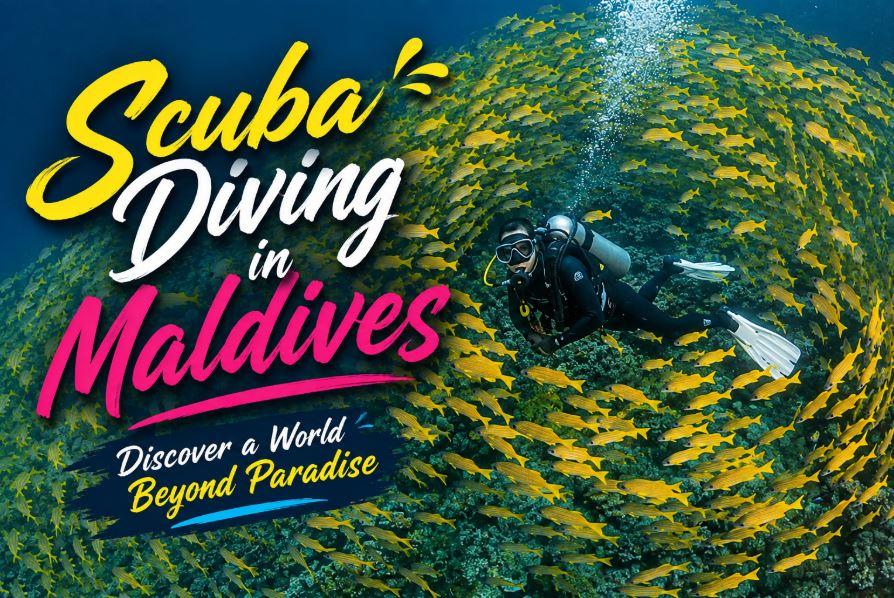
Few destinations can match scuba diving in the Maldives. Beneath the turquoise Indian Ocean, divers can explore coral-covered pinnacles, dramatic channels, reef walls and overhangs while encountering manta rays, reef sharks, turtles, eagle rays and, in the right locations, whale sharks.
Whether you're planning your first scuba dive in the Maldives or travelling specifically for world-class drift diving, the country's diverse atolls offer underwater experiences for almost every skill level.
Why Is Scuba Diving in the Maldives So Special?
The Maldives is made up of 26 natural atolls and more than 1,000 coral islands, creating an enormous underwater playground of reefs, channels, submerged pinnacles and lagoons.
What makes the destination particularly exciting is the movement of water between the open Indian Ocean and the atolls. Nutrient-rich currents support huge numbers of reef fish while also attracting larger marine animals.
On a single Maldives diving holiday, you may encounter:
-
Manta rays
-
Whale sharks
-
Grey reef sharks
-
Whitetip reef sharks
-
Eagle rays
-
Sea turtles
-
Napoleon wrasse
-
Barracuda
-
Tuna
-
Moray eels
-
Jackfish
-
Snappers
-
Fusiliers
-
Large schools of colourful tropical fish
The experience can change dramatically from one atoll to another, which is part of what makes diving in the Maldives so addictive.
Discover the Famous Maldivian Thilas
One word you'll quickly learn on a Maldives diving trip is “thila.”
A thila is a submerged reef or underwater pinnacle that rises from the atoll floor without reaching the surface.
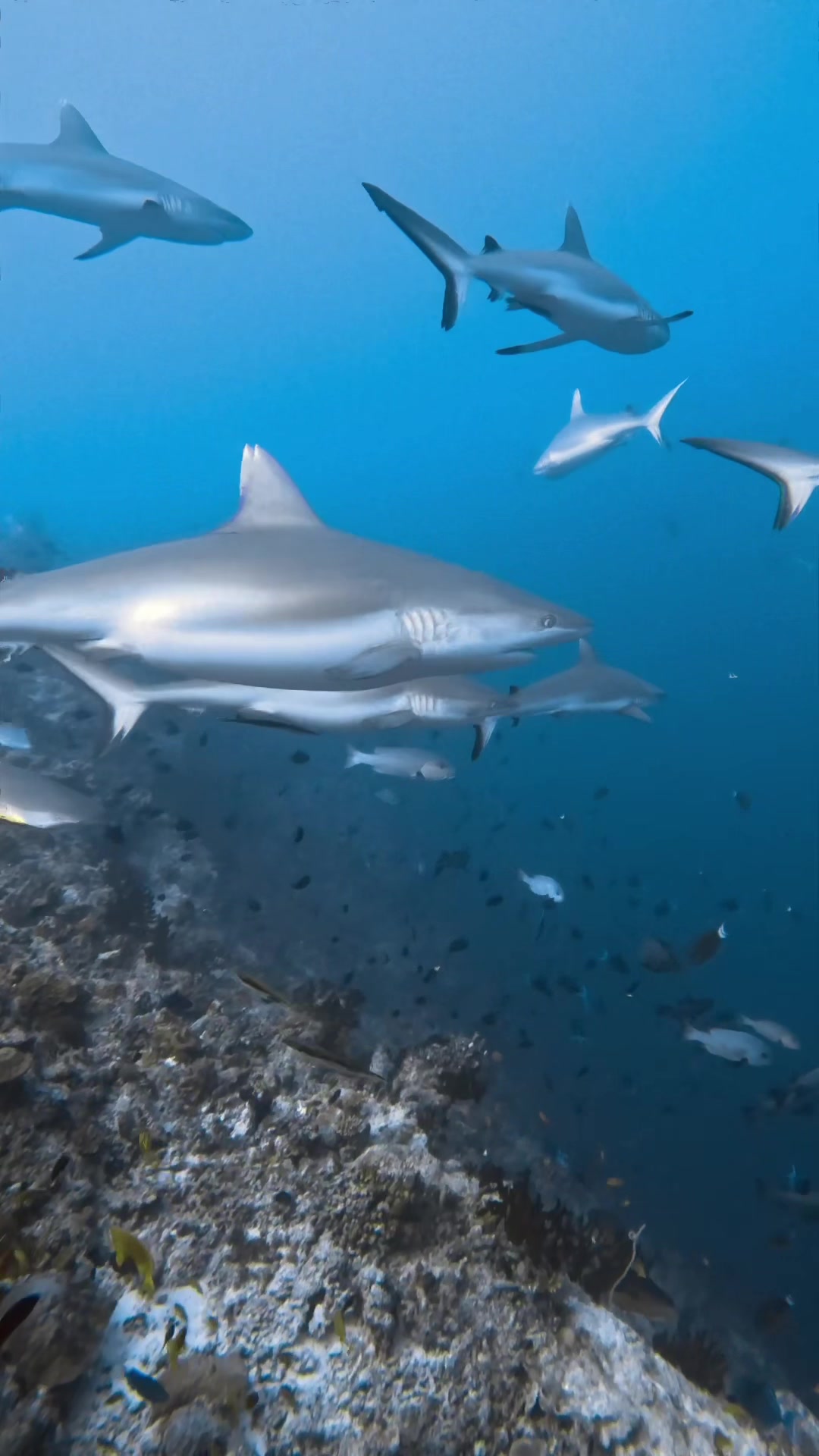
These underwater formations are among the Maldives' signature diving environments.
Currents moving around a thila can bring nutrient-rich water to the reef, supporting soft corals, sponges and abundant marine life.
Depending on the site, divers can explore steep walls, coral formations, overhangs, caves and swim-throughs while watching large schools of fish move around the pinnacle.
Well-known examples include Kudarah Thila, Fish Head and Maalhos Thila.
Experience Drift Diving in the Maldives
The Maldives is particularly famous for drift diving.
Instead of swimming continuously against the water, divers can allow a manageable current to carry them along a reef while observing the underwater landscape.
This can create an exhilarating feeling of flying underwater.
Many drift dives take place around channels known locally as kandus. These channels connect the inner atoll lagoons with the open ocean.
When currents move through them, they transport nutrients and can attract significant concentrations of marine life.
Grey reef sharks, whitetip reef sharks, eagle rays, tuna and barracuda may all appear around current-rich channels.
Strong-current dives aren't suitable for everyone, however. Dive difficulty can change with tides and conditions, so divers should follow the guidance of experienced local dive professionals.
Can Beginners Scuba Dive in the Maldives?
Absolutely.
You don't have to be an experienced diver to discover the Maldives underwater.
Beginners can start in protected lagoons and calmer reef environments where conditions are suitable for training.
Many resorts and local islands have professional dive centres offering introductory experiences and certification courses.
A typical beginner experience starts with basic safety instructions and equipment training before progressing into shallow water under professional supervision.
Once comfortable, beginners can discover coral reefs filled with tropical fish without immediately tackling the stronger currents associated with advanced channel diving.
The important thing is choosing a dive centre and sites appropriate for your experience.
Diving With Sharks in the Maldives
For many experienced divers, shark diving is one of the biggest reasons to visit the Maldives.
Reef sharks can frequently be encountered around channels and reef edges, particularly where currents bring food into the atolls.
Depending on the region, divers may encounter species including grey reef sharks and whitetip reef sharks.
Different atolls offer different experiences.
Vaavu Atoll, Ari Atoll and the Malé Atolls are among the regions associated with exciting shark and pelagic encounters.
For something completely different, head south.
Tiger Shark Diving in Fuvahmulah
The isolated island of Fuvahmulah has become internationally known for its encounters with tiger sharks and other large pelagic species.
Its location in the open ocean gives experienced divers opportunities for encounters quite different from the traditional coral reef diving found across many central atolls.
Fuvahmulah is therefore particularly appealing to experienced divers and underwater photographers looking for big-animal encounters.
Diving With Manta Rays
Watching a giant manta ray glide silently overhead can become one of the defining moments of a Maldives holiday.
Mantas can be encountered around cleaning stations and plankton-rich waters in different parts of the country.
Baa Atoll is especially famous for seasonal manta aggregations.
Hanifaru Bay attracts large numbers of mantas when plankton concentrations are favourable, particularly during the southwest monsoon period.
However, there is an important distinction for divers:
Scuba diving is not permitted inside Hanifaru Bay.
Visitors experience the famous aggregations primarily through regulated snorkelling excursions.
Divers can still encounter manta rays at dive sites and cleaning stations elsewhere in Baa Atoll and across the Maldives.
Where Can You See Whale Sharks in the Maldives?
If swimming or diving near a whale shark is on your bucket list, South Ari Atoll deserves serious consideration.
The region is one of the Maldives' best-known areas for whale shark encounters, with sightings possible throughout the year.
Islands such as Dhigurah provide convenient access to whale shark excursions in the South Ari area.
These enormous filter-feeding sharks are harmless to people when approached responsibly, but encounters should always follow local conservation guidelines.
Remember that wildlife sightings can never be guaranteed. That's exactly what makes encountering a whale shark naturally in the ocean so extraordinary.
Best Places for Scuba Diving in the Maldives
There isn't one single “best” diving location because each region offers something different.
North Malé Atoll
Convenient for travellers arriving through the country's main international airport, North Malé Atoll offers reefs, pinnacles, channels and a wide variety of marine life.
It can be an excellent introduction to Maldives diving.
South Malé Atoll
South Malé Atoll combines channels, reefs and drift-diving opportunities with relatively easy access from the capital region.
Ari Atoll
Ari is one of the Maldives' classic diving regions.
Its thilas, reefs and abundant marine life make it attractive to divers of different experience levels, while South Ari is particularly famous for whale sharks.
Vaavu Atoll
Experienced divers often choose Vaavu for exhilarating channel dives and shark encounters.
Baa Atoll
Baa Atoll is internationally associated with manta rays and rich marine ecosystems.
Gaafu Atoll
Remote southern diving, large channels and fewer crowds make Gaafu particularly attractive to experienced divers searching for adventurous diving.
Fuvahmulah
Choose Fuvahmulah when big pelagic animals are your priority, particularly tiger sharks.
Best Time to Go Scuba Diving in the Maldives
You can scuba dive in the Maldives throughout the year.
However, the underwater experience changes with the monsoons.
Currents, visibility and plankton concentrations can vary considerably between seasons and between the eastern and western sides of the atolls.
Generally, the northeast monsoon brings periods of excellent visibility to many popular diving regions, while the southwest monsoon can bring increased plankton levels to certain areas.
More plankton may reduce visibility, but it can also attract plankton-feeding giants such as manta rays and whale sharks.
That means the “best” month depends heavily on what you want to see.
If manta rays are your priority, choose your atoll and travel dates around known seasonal movements. If you're primarily interested in reef diving and visibility, different months may be preferable.
Resort Diving vs Local Island Diving
Travellers now have several ways to build a Maldives scuba diving holiday.
Resort Dive Centres
Staying at a resort is the easiest option for travellers wanting diving combined with a traditional Maldives vacation.
Many resorts have professional dive centres and nearby house reefs, while boat trips provide access to additional sites.
Local Island Diving
Local islands can provide a more affordable alternative.
Guesthouses and independent dive centres operate on numerous inhabited islands, allowing travellers to combine scuba diving with a closer look at everyday Maldivian island life.
Maldives Liveaboards
Serious divers should also consider a Maldives liveaboard.
Instead of remaining on one island, you'll live aboard a diving vessel and travel between dive sites.
This makes it possible to cover considerably more territory and experience thilas, channels, reefs and pelagic encounters during the same trip.
For travellers whose main purpose for visiting the Maldives is diving, a liveaboard can be one of the most rewarding options.
Is Scuba Diving in the Maldives Safe?
Scuba diving always involves risk, and Maldivian currents deserve particular respect.
Some dive sites are calm and beginner-friendly, while others can experience powerful currents and should only be attempted by suitably experienced divers.
Always:
-
Dive with a reputable professional operator.
-
Follow your dive guide's instructions.
-
Choose sites suitable for your certification and experience.
-
Check currents and conditions before entering the water.
-
Stay within your training and depth limits.
-
Maintain good buoyancy control.
-
Avoid touching or standing on coral.
-
Never chase, feed or harass marine animals.
A site that was relatively easy yesterday can potentially have very different conditions today.
Responsible Diving in the Maldives
The spectacular marine life is the reason people travel thousands of kilometres to dive here, so protecting it should be part of every underwater experience.
Maintain a respectful distance from sharks, rays, turtles and whale sharks.
Never grab coral for stability or collect marine life as souvenirs.
Underwater photographers should also avoid chasing animals simply to capture a photograph.
The best wildlife encounters happen when divers remain calm and allow animals to behave naturally.
Why Scuba Diving Belongs on Your Maldives Bucket List
The Maldives may be famous for white-sand beaches and overwater villas, but some of its greatest treasures are hidden beneath the surface.
One morning you could drift alongside reef sharks through a current-swept channel. The next dive could take you around a coral-covered thila surrounded by thousands of tropical fish.
And somewhere along the journey, a manta ray or whale shark may emerge from the blue.
For beginners, the Maldives can be the place where a lifelong passion for scuba diving begins.
For experienced divers, its currents, sharks, rays, pinnacles and pelagic encounters provide plenty of reasons to return.
Either way, scuba diving in the Maldives reveals an entirely different side of paradise.
Frequently Asked Questions About Scuba Diving in the Maldives
Is the Maldives good for scuba diving?
Yes. The Maldives offers coral reefs, thilas, channels, walls, overhangs and abundant marine life, including sharks, manta rays, turtles, eagle rays and whale sharks.
Can beginners scuba dive in the Maldives?
Yes. Beginners can learn in calmer lagoons and sheltered reefs under professional supervision. More challenging channel and strong-current dives are generally better suited to experienced divers.
What is the best time for scuba diving in the Maldives?
Diving is possible throughout the year. The ideal period depends on the atoll and whether your priority is visibility, manta rays, whale sharks, sharks or general reef diving.
Where is the best scuba diving in the Maldives?
Popular regions include North and South Malé Atolls, Ari Atoll, Vaavu Atoll, Baa Atoll, Gaafu Atoll and Fuvahmulah. Each offers a different style of diving.
Can you see whale sharks while diving in the Maldives?
Yes. Whale sharks occur in Maldivian waters, with South Ari Atoll being particularly well known for year-round opportunities to encounter them.
Where can you dive with manta rays in the Maldives?
Manta rays can be encountered around cleaning stations and reefs in several atolls. Baa Atoll is especially famous for seasonal manta activity. Hanifaru Bay itself is primarily a regulated snorkelling experience rather than a scuba-diving site.
Can you dive with sharks in the Maldives?
Yes. Reef sharks are regularly encountered at suitable dive sites, while Fuvahmulah is particularly famous for tiger shark encounters.
What is a thila in the Maldives?
A thila is a submerged reef or pinnacle that rises from the atoll floor but remains below the ocean surface. Thilas can attract dense concentrations of fish and other marine life.
Is a Maldives liveaboard worth it?
For dedicated divers, it can be. Liveaboards allow guests to visit multiple dive sites and sometimes several atolls during one trip instead of being limited mainly to sites accessible from a single island.
Do I need a diving certification?
Certification is required for independent recreational scuba diving within the limits of your qualification. First-time divers can instead book supervised introductory experiences or enrol in a recognised scuba certification course.

 Dhivehi
 Arabic
 French
 Spanish
 Portuguese
 Deutsch
 Turkish
 Dutch
Dutch
 Italiano
 Russian
 Romaian
 Portuguese (Brazil)
 Greek
Greek