

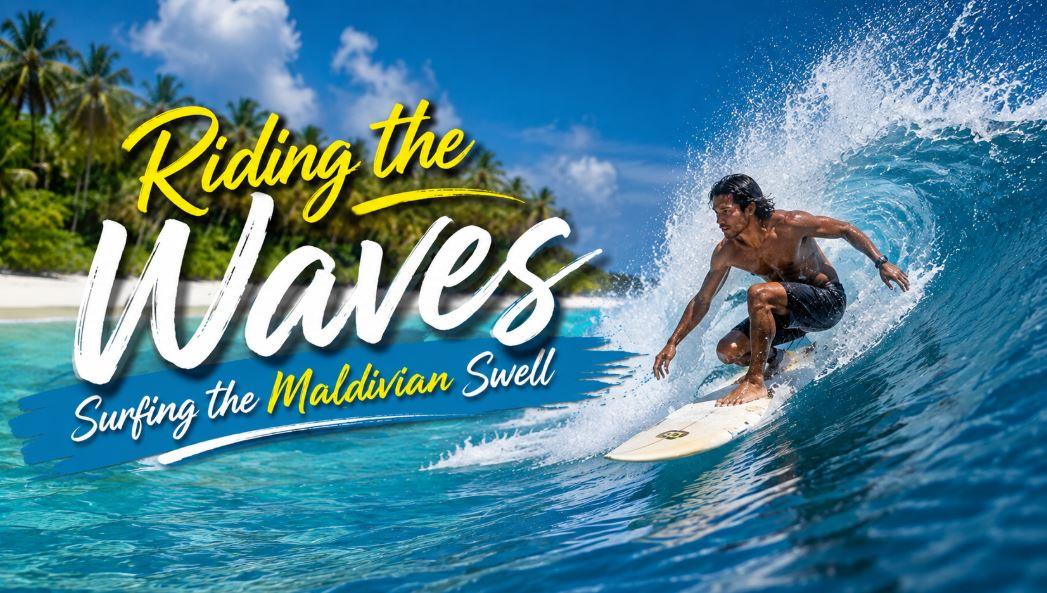
The Maldives may be famous for turquoise lagoons, white-sand beaches and luxury overwater villas, but it is also one of the Indian Ocean’s most exciting surfing destinations. Beyond the calm lagoons surrounding the islands, powerful ocean swells create long, clean waves that attract surfers from around the world.
From the legendary surf breaks of the Malé Atolls, including Pasta Point, Sultans and Honky’s, to more remote surfing adventures in the southern and central atolls, surfing in the Maldives combines excellent waves with spectacular tropical scenery.
Whether you are an experienced surfer searching for your next barrel or a beginner hoping to ride your first wave, the Maldives offers an unforgettable surfing experience.
Why Go Surfing in the Maldives?
What makes surfing in the Maldives particularly special is the setting. Imagine paddling into a warm, crystal-clear Indian Ocean with palm-covered islands behind you and deep blue water stretching toward the horizon.
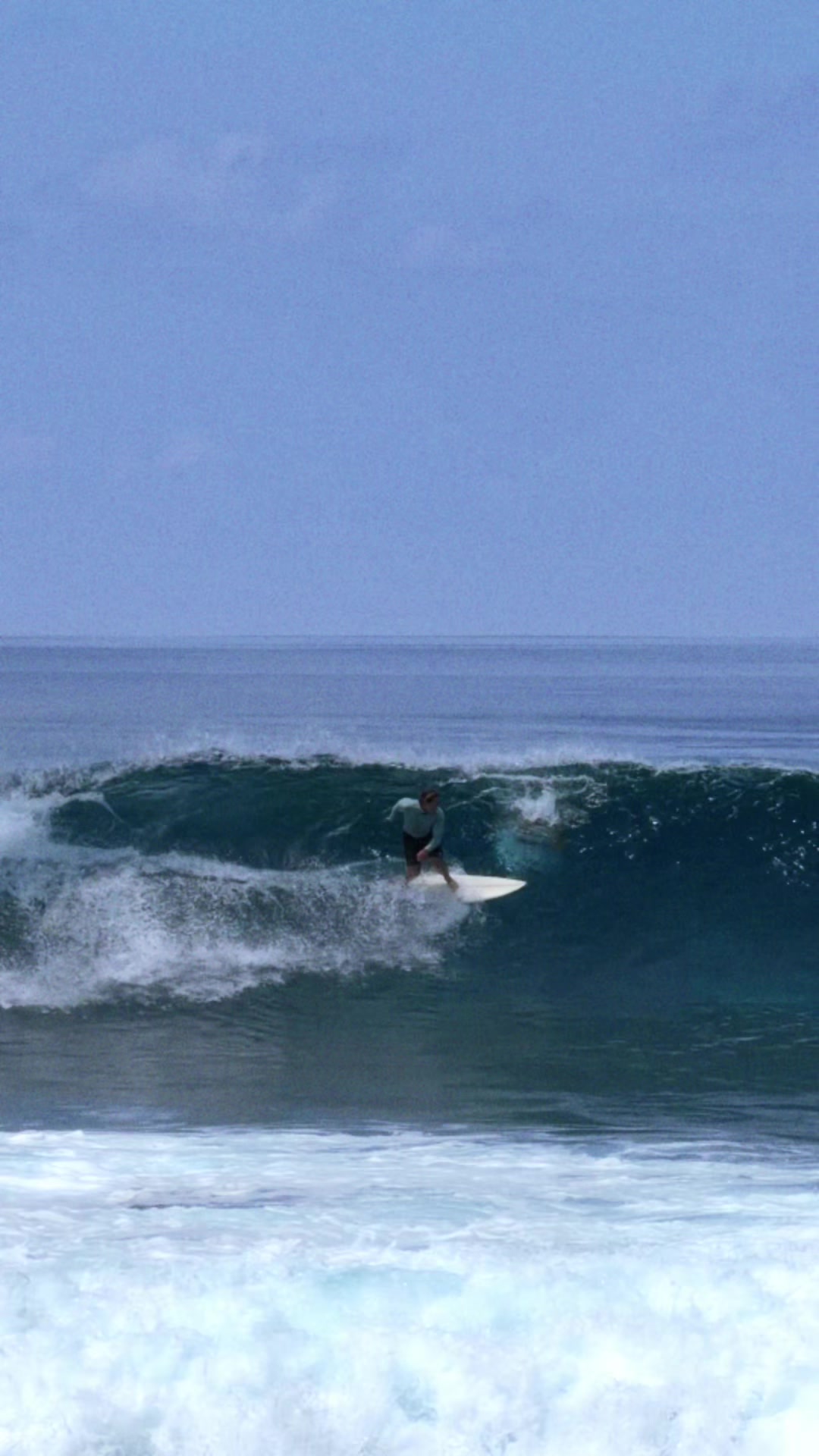
The Maldives consists of numerous coral atolls surrounded by deep ocean. Incoming swells interact with reef formations, producing a variety of reef breaks, point-style waves and fast sections.
Unlike destinations where surfers need thick wetsuits, Maldives water temperatures remain comfortably warm throughout the year, making boardshorts or lightweight surfwear suitable for most sessions.
The Maldives also offers waves for different levels of experience. Some breaks are relatively forgiving under smaller conditions, while others produce fast, hollow waves better suited to experienced surfers.
Best Surf Spots in the Maldives
Pasta Point
Pasta Point is one of the most famous surf breaks in the Maldives. Located in North Malé Atoll, it is known for producing long, clean left-hand waves.
When conditions line up, surfers can enjoy beautifully shaped walls with opportunities for fast turns and barrels.
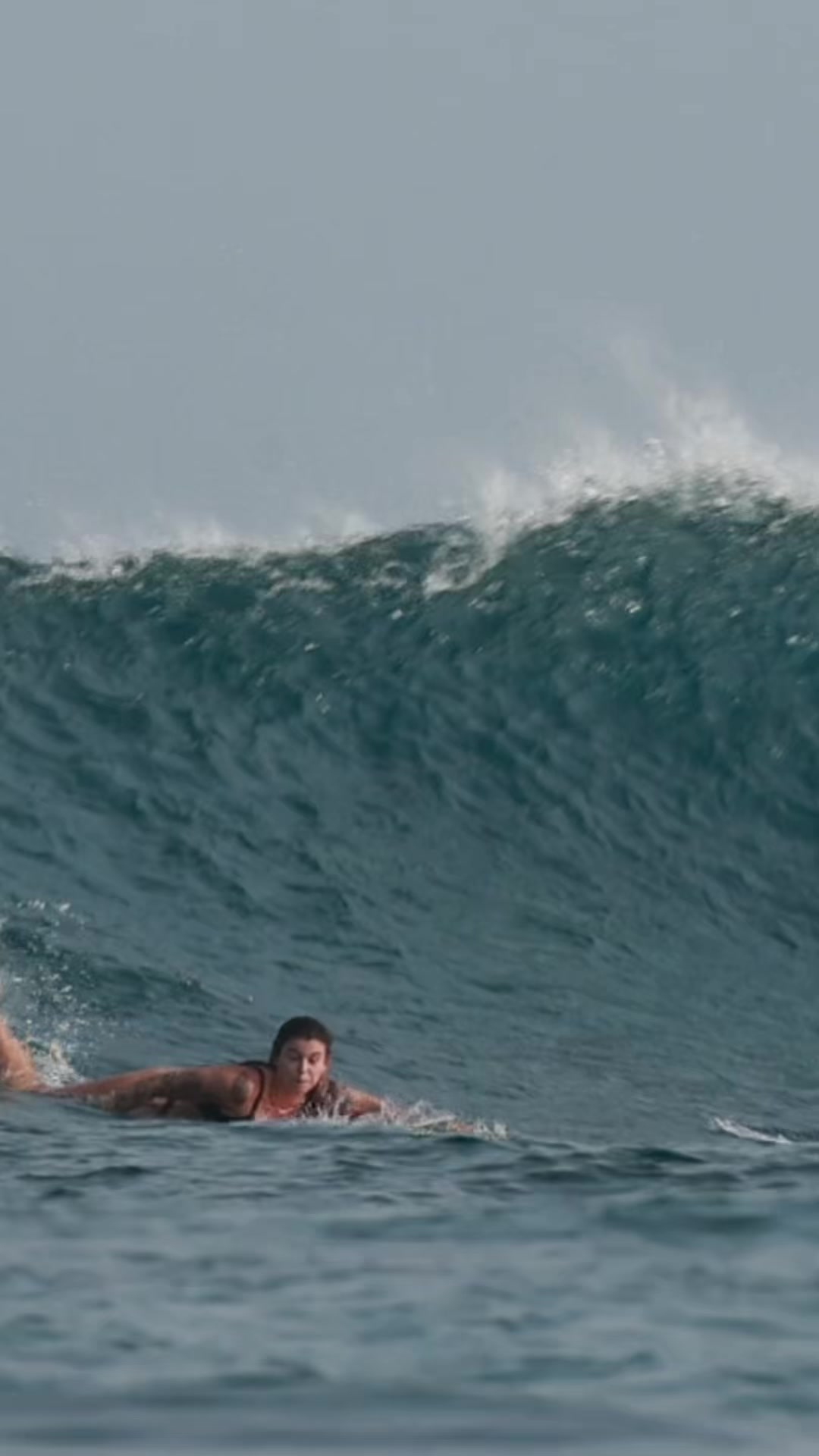
Access to Pasta Point can be restricted, so travelers specifically hoping to surf here should check access arrangements when choosing their accommodation or surf package.
Sultans
Another legendary North Malé Atoll surf break, Sultans is a powerful right-hander that can produce excellent walls and barrel sections.
It is particularly popular with intermediate and advanced surfers when the swell increases.
Because of its reputation and relatively convenient location, Sultans can become busy during good conditions.
Honky's
Located close to several other famous North Malé surf breaks, Honky's offers a left-hand wave that can deliver long and exciting rides under favorable conditions.
The concentration of quality breaks within the region makes North Malé Atoll particularly attractive for surfers who want access to several different waves during the same holiday.
Surfing North Malé Atoll
For many international travelers, North Malé Atoll is the gateway to surfing in the Maldives.
Its popularity comes from a combination of excellent surf breaks and relatively easy access from the country's main international airport.
Depending on where you stay, surf spots can be reached by speedboat or dedicated surf transfer. Numerous surf resorts, guesthouses and charter operators serve the area.
The convenience comes with one disadvantage: popular breaks can attract significant numbers of surfers during peak periods.
Travelers searching for quieter waves may therefore want to venture farther from the capital region.
Discover Less-Crowded Waves in Thaa Atoll
For surfers who prefer adventure and fewer people in the water, Thaa Atoll surfing offers an appealing alternative to the better-known breaks around Malé.
Located farther south, Thaa Atoll provides a much more remote surfing experience.
Surfing here often involves traveling by surf charter or liveaboard, allowing surfers to move between breaks according to swell direction, wind and daily conditions.
The journey may require more planning, but the reward can be uncrowded waves surrounded by spectacular tropical scenery.
It is the kind of Maldives experience where the journey becomes part of the adventure.
Best Time to Surf in the Maldives
The main Maldives surfing season generally runs from approximately March or April through October, although conditions vary between different atolls.
For the Malé Atolls, June through September is typically one of the most reliable periods for larger and more consistent swells.
During this period, southwest monsoon conditions help deliver Indian Ocean swells toward the islands.
Surfers looking for powerful waves often target the middle of the season, while the shoulder months can sometimes provide smaller conditions and fewer surfers.
Weather and wave conditions are never completely predictable, so travelers should check current forecasts when planning a dedicated surf trip.
Surfing for Beginners in the Maldives
You don't have to be an experienced surfer to enjoy the waves.
Several resorts, guesthouses and watersports centers offer surfing lessons in the Maldives, including beginner instruction and board rental.
Beginners are normally taken to appropriate locations where conditions are suitable for learning basic techniques such as:
-
Paddling and positioning
-
Standing on the surfboard
-
Maintaining balance
-
Reading incoming waves
-
Turning the board
-
Surfing safely around other people
-
Understanding reef and ocean conditions
Learning to surf surrounded by tropical islands and warm Indian Ocean water makes the Maldives an extraordinary place to catch your first wave.
However, many famous Maldivian surf breaks are over coral reefs and should not be attempted by inexperienced surfers without suitable guidance.
Surf Charters in the Maldives
One of the most adventurous ways to experience Maldives surfing is aboard a surf charter.
Instead of staying on one island, surfers live aboard a boat and travel between different breaks.
A typical Maldives surf charter may include accommodation, meals, transfers between surf spots and experienced guides who understand local conditions.
The biggest advantage is flexibility.
If one location isn't producing good waves, the boat can potentially move somewhere with better conditions. Surf charters can also reach remote areas that would be difficult to explore from a single resort.
For groups of dedicated surfers, a charter can turn an ordinary surfing holiday into a full Indian Ocean expedition.
Resort or Local Island?
There are several ways to organize a Maldives surf holiday.
Surf resorts provide convenience, comfortable accommodation and organized transfers to nearby breaks. Some properties have excellent waves close to the island.
Local-island guesthouses can provide a different experience, combining surfing with an opportunity to discover everyday Maldivian island life.
Travelers seeking maximum flexibility can choose liveaboard surf charters instead.
Your ideal option depends on your budget, surfing ability, preferred breaks and whether surfing is the primary purpose of your Maldives vacation.
What to Bring on a Maldives Surf Trip
Dedicated surfers may want to bring their own boards, particularly when traveling to remote atolls.
Useful equipment includes reef-safe sun protection, surf wax suitable for warm tropical water, spare fins, fin keys, leashes, rash guards and a small repair kit.
A surf hat and high-quality UV protection can also be valuable because the tropical sun can be extremely strong.
Reef booties are worth considering for some locations, particularly where entry and exit involve shallow coral reef.
Respect the Reef
Maldivian surf breaks exist within an extremely fragile marine environment.
Surfers should avoid standing on living coral, never leave plastic or other rubbish behind and follow local environmental regulations.
Reef-safe practices help protect the same coral ecosystems responsible for creating many of the country's spectacular waves.
Respect should also extend to other surfers. Follow surfing etiquette, don't drop in on someone already riding a wave and listen to local guides who understand each break.
More Than Just Surfing
A Maldives surfing holiday doesn't have to end when the waves disappear.
Flat-water days provide the perfect opportunity to experience some of the country's other attractions. Go snorkeling over a house reef, try scuba diving, explore an uninhabited island, visit a sandbank, kayak through a turquoise lagoon or simply relax beneath the palms.
Surfers traveling with non-surfing partners can therefore enjoy a destination offering considerably more than waves.
Ride the Maldivian Swell
Surfing reveals a completely different side of the Maldives.
Instead of simply admiring the Indian Ocean from the beach, you become part of it—paddling beyond the reef, waiting for the swell and watching a perfect blue-green wall rise from the horizon.
From legendary North Malé Atoll surf spots such as Pasta Point and Sultans to remote surf adventures around Thaa Atoll, there are waves waiting for different levels of surfers.
Come during the main swell season, choose the right break for your ability and prepare to experience one of the most beautiful surfing destinations on Earth.
The Maldives isn't only a place to relax beside the ocean.
It's a place to ride it.

 Dhivehi
 English
 French
 Spanish
 Portuguese
 Deutsch
 Turkish
 Dutch
Dutch
 Italiano
 Russian
 Romaian
 Portuguese (Brazil)
 Greek
Greek