

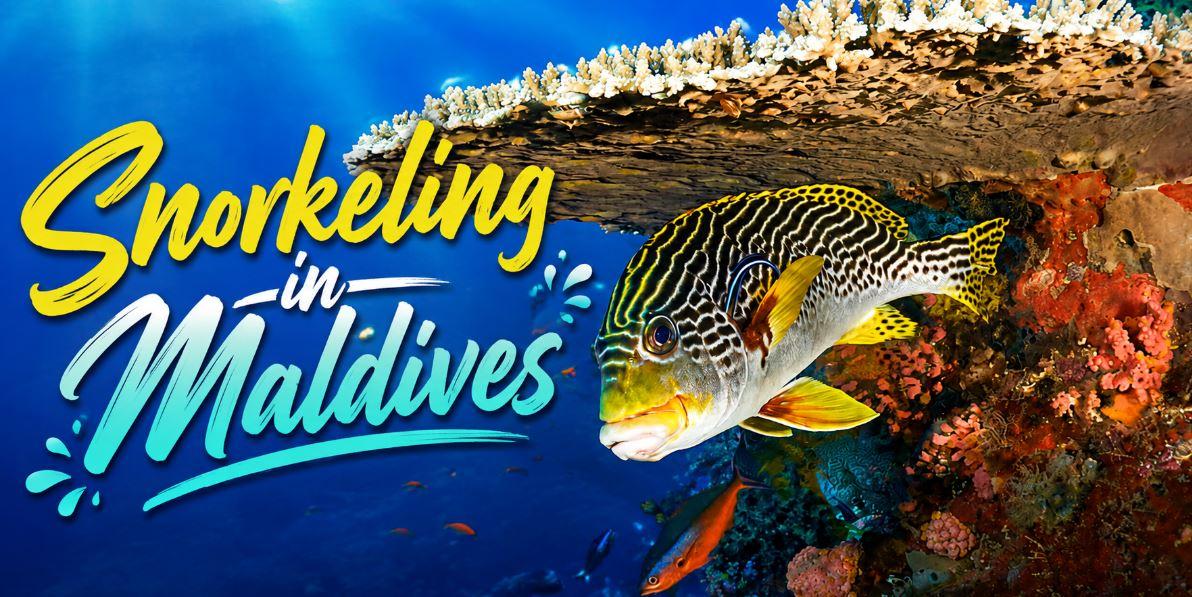
Snorkeling in the Maldives is one of the easiest and most rewarding ways to experience the spectacular underwater world of the Indian Ocean. With warm tropical water, colorful coral reefs, crystal-clear lagoons and an extraordinary variety of marine life, the Maldives is a dream destination for both first-time snorkelers and experienced underwater explorers.
Unlike scuba diving, snorkeling in the Maldives requires no certification, heavy equipment or extensive training. All you really need is a mask, snorkel and fins. At many islands, an incredible coral reef begins only a short swim from the beach.
From tiny tropical fish darting between corals to graceful sea turtles, rays and reef sharks cruising through the blue, every snorkeling trip can reveal something different.
Why Is Snorkeling in the Maldives So Special?
The Maldives is made up of coral atolls scattered across the Indian Ocean. Beneath the surface lies an enormous marine ecosystem of reefs, channels, lagoons and drop-offs.
For travelers, one of the biggest advantages is accessibility. You don't necessarily have to join a diving expedition or travel far offshore to experience marine life.
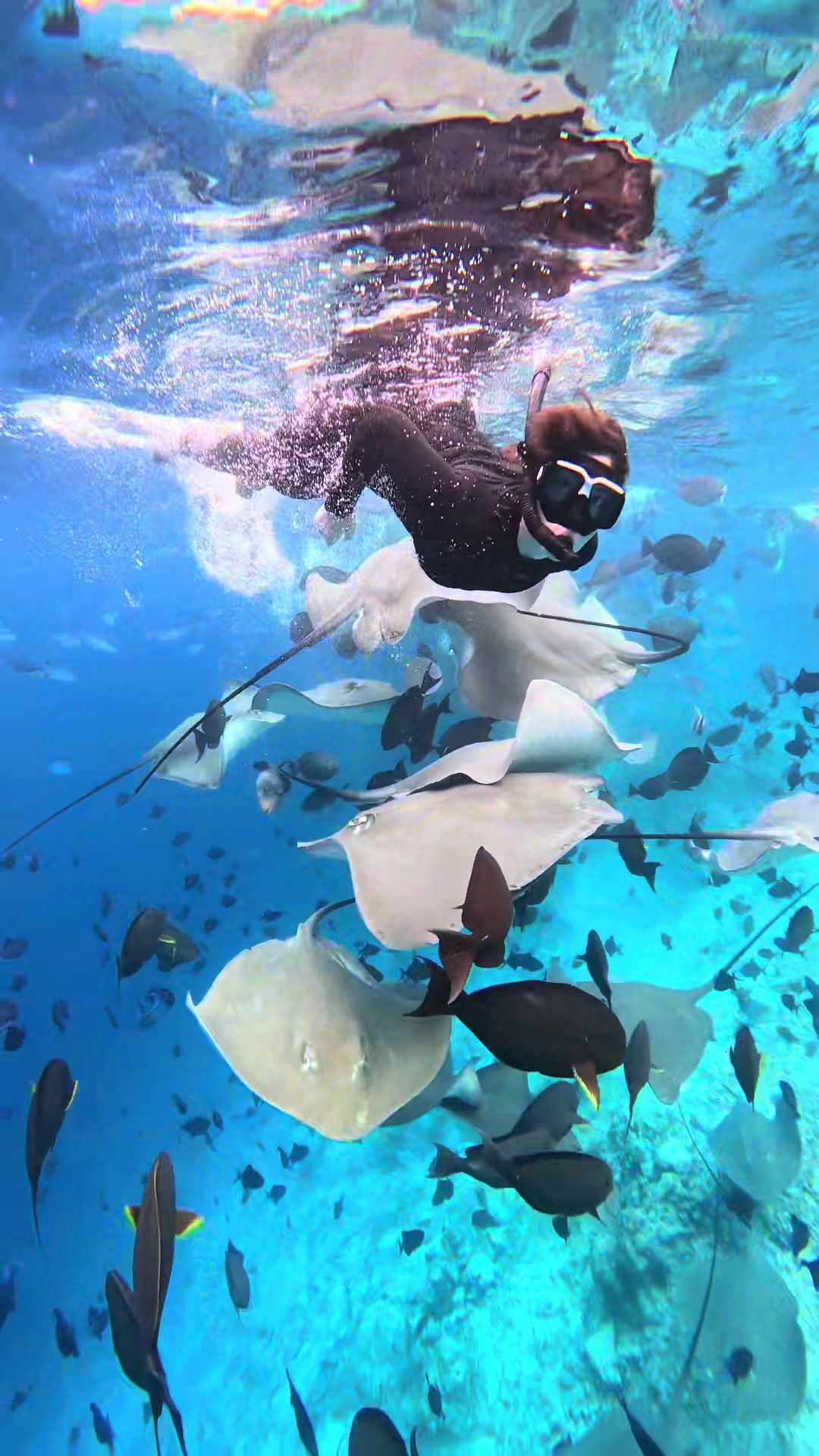
Many Maldives resorts have their own house reef, allowing guests to walk from the beach or enter the water from a designated snorkeling point and begin exploring almost immediately.
The combination of warm water, abundant tropical fish and convenient reef access makes snorkeling one of the most popular activities in the Maldives.
Maldives House Reef Snorkeling
If snorkeling is an important part of your Maldives holiday, choosing an island with a good house reef can make a huge difference.
A house reef is the coral reef surrounding or bordering an island. On some resort islands, the reef is located extremely close to the beach. You can simply put on your snorkeling equipment, enter the lagoon and swim toward the designated reef access point.
Other islands have wider lagoons, meaning their best coral reefs may be farther from shore. These resorts often organize snorkeling boat trips to nearby reefs.
Neither arrangement is necessarily better, but travelers who want to snorkel several times every day without joining excursions will usually appreciate a resort with an easily accessible house reef.
What Can You See While Snorkeling in the Maldives?
One of the joys of Maldives snorkeling is that you never know exactly what might swim past you.
The reefs support a remarkable variety of tropical marine life. Depending on the island, reef and season, snorkelers may encounter:
-
Butterflyfish, angelfish, parrotfish and surgeonfish
-
Clownfish and anemones
-
Sea turtles
-
Eagle rays and stingrays
-
Moray eels
-
Pufferfish
-
Triggerfish
-
Schools of colorful reef fish
-
Reef sharks
-
Octopuses and other fascinating reef creatures
Larger marine animals can also be encountered at particular locations and during specialized snorkeling excursions.
Snorkeling With Manta Rays
Seeing a manta ray underwater can be one of the highlights of a Maldives holiday.
At certain locations, seasonal concentrations of plankton attract manta rays. Guided excursions take visitors to areas where there is a possibility of observing these enormous but graceful animals while snorkeling.
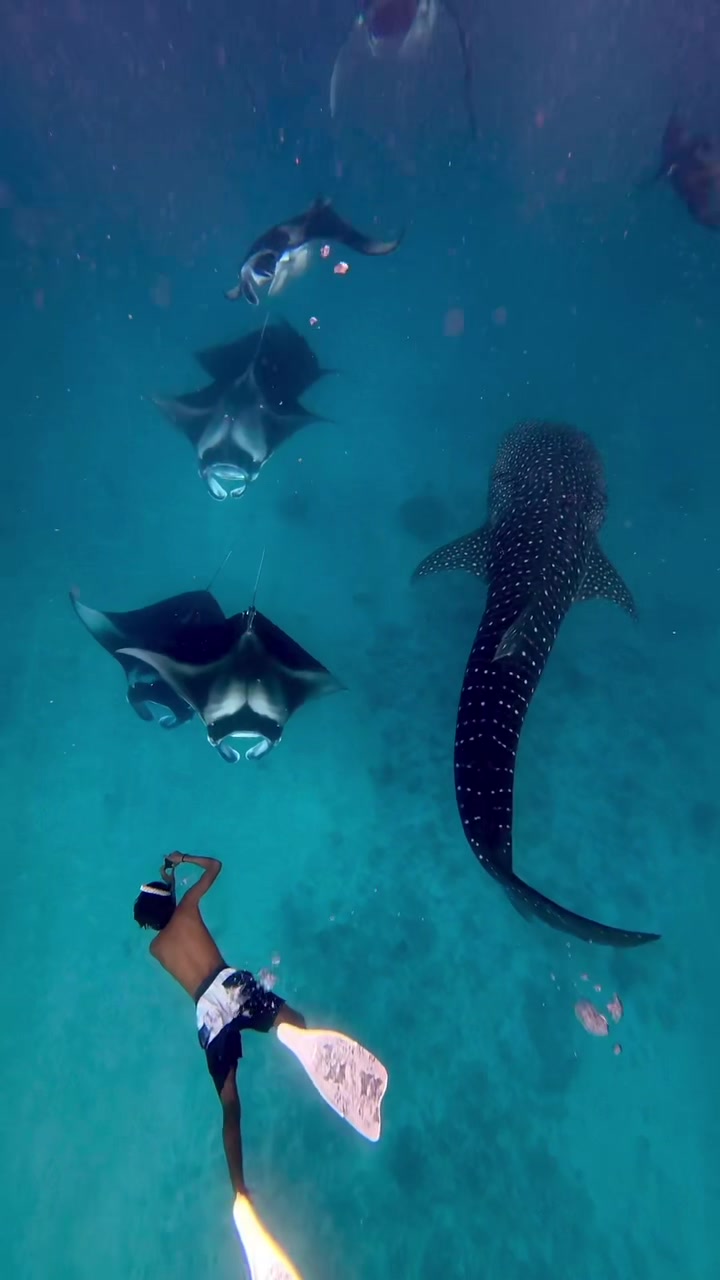
Sightings are natural encounters and therefore cannot be guaranteed.
Whale Shark Snorkeling
The Maldives is also famous for opportunities to encounter whale sharks.
Despite their enormous size, whale sharks are filter-feeding sharks and are generally not interested in humans as prey. Guided excursions are available in areas known for whale shark activity.
South Ari Atoll is particularly well known for whale shark encounters.
Responsible operators maintain appropriate distances and avoid chasing, touching or obstructing the animals.
Water Temperature in the Maldives
The tropical waters surrounding the Maldives remain warm throughout the year, commonly hovering around 27–30°C (81–86°F).
For most travelers, this makes snorkeling comfortable without a thick wetsuit.
A rash guard or lightweight swimming shirt can still be extremely useful. Apart from providing additional comfort, it can protect your back and shoulders from the strong tropical sun while you are floating near the surface.
When Is the Best Time for Snorkeling in the Maldives?
Snorkeling is possible throughout the year, although visibility and sea conditions vary according to weather, location and season.
The Maldives generally experiences two monsoon periods.
Northeast Monsoon
The northeast monsoon, broadly associated with the drier part of the year, often brings sunny conditions and calmer seas to many areas.
This can make the period particularly attractive for travelers looking for excellent snorkeling conditions.
Southwest Monsoon
The wetter southwest monsoon generally brings a greater chance of rain, wind and rougher seas.
That doesn't mean snorkeling stops. There can still be beautiful sunny days and excellent underwater conditions, while certain marine encounters may actually become more interesting at particular locations during this period.
Weather in the Maldives can also be highly localized. One island may experience rain while another area has sunshine.
Snorkeling Directly From the Beach
One of the best things about staying on a Maldives island with an accessible house reef is the freedom to snorkel whenever conditions are suitable.
You may be able to leave your villa, walk along the beach, put on your equipment and enter an underwater world within minutes.
However, don't assume that every part of an island is suitable for reef access.
Some reefs have shallow coral platforms that should never be walked across. Resorts normally identify safe entry and exit channels where guests can swim through the reef without damaging coral.
Always follow local snorkeling instructions.
Snorkeling Boat Trips
If an island doesn't have a spectacular reef directly offshore, snorkeling excursions can take you to nearby reefs and channels.
A typical Maldives snorkeling trip may involve a traditional dhoni or speedboat taking guests to one or several snorkeling sites.
Depending on the excursion, trips can focus on coral reefs, turtles, manta rays, whale sharks or other marine attractions.
Guided snorkeling is particularly useful for beginners because local guides understand currents, reef entrances and areas where marine animals are frequently observed.
Is Maldives Snorkeling Good for Beginners?
Yes. The Maldives can be an excellent destination for people trying snorkeling for the first time.
Many resort lagoons contain shallow, relatively calm areas where beginners can become comfortable using a mask and snorkel before venturing toward deeper water.
Beginners should first learn how to breathe comfortably through a snorkel, clear water from their mask and use fins without kicking the coral.
If you're not a confident swimmer, use a flotation vest and snorkel with an experienced guide.
Snorkeling Safety in the Maldives
Although snorkeling looks simple, the ocean should always be treated with respect.
Currents around reefs and channels can sometimes be surprisingly strong. Conditions can also change throughout the day.
Before entering the water, ask the resort's dive or watersports center about current conditions and approved snorkeling routes.
Avoid snorkeling alone, particularly around reef edges and channels. Stay within your swimming ability and never attempt to fight a powerful current.
If conditions look rough or resort staff advise against entering the water, postpone your snorkeling session.
Never Touch or Stand on Coral
Coral reefs are living ecosystems and can be damaged extremely easily.
Never stand, sit or walk on coral, even if it appears to be rock.
When snorkeling above shallow reefs, keep your body horizontal and maintain enough distance so your fins cannot strike the coral.
Avoid collecting shells, coral or marine creatures as souvenirs.
The best approach is simple:
Look, enjoy, photograph and leave the reef exactly as you found it.
Don't Touch or Chase Marine Animals
Seeing a turtle, ray or shark underwater can be exciting, but marine animals should be allowed to behave naturally.
Never chase, grab, feed or attempt to ride wildlife.
Instead, maintain a respectful distance and allow the animal to decide whether it wants to remain nearby.
This creates a better experience for both the snorkeler and the animal.
Are There Sharks While Snorkeling in the Maldives?
Yes, and for many travelers this becomes one of the most memorable parts of snorkeling in the Maldives.
Small reef sharks can be seen around many islands. Blacktip and whitetip reef sharks are among the species snorkelers may encounter.
They normally cruise around reefs looking for their natural prey rather than interacting with swimmers.
As with all wildlife, give sharks space and observe them without chasing, feeding or touching them.
What Should You Bring for Maldives Snorkeling?
Many resorts provide or rent snorkeling equipment, while some include equipment in their accommodation packages.
Regular snorkelers may prefer bringing their own gear because a properly fitted mask can significantly improve comfort.
Useful items include a well-fitting mask, snorkel, fins, rash guard, swimwear and waterproof action camera.
A reusable dry bag can also be useful for boat excursions.
Underwater Photography While Snorkeling
The Maldives provides endless opportunities for underwater photography.
Bright sunlight penetrating clear tropical water can create beautiful photographs of coral gardens, turtles and colorful fish.
Try to remain calm and approach subjects slowly rather than swimming directly toward them.
For wildlife photography, patience usually produces better photographs than chasing animals.
Remember that getting the photograph should never come at the expense of the reef or marine life.
Snorkeling From a Water Villa
Water villas may offer direct access to the lagoon or ocean, but direct water access does not automatically mean excellent snorkeling.
Some villas overlook sandy lagoons with relatively little coral, while others are positioned close to reef edges.
If snorkeling is one of the main reasons for your trip, research the resort's house reef quality and accessibility rather than choosing accommodation solely because it has stairs leading into the water.
Resort Reef vs Snorkeling Excursion
Both experiences have advantages.
House reef snorkeling gives you freedom. You can potentially snorkel several times during the day without arranging a trip.
Boat excursions provide variety and access to reefs and marine-life hotspots farther away.
For dedicated snorkelers, the ideal Maldives holiday often combines both: stay somewhere with a good house reef and join several guided excursions during the trip.
Best Time of Day to Go Snorkeling
Morning can be an excellent time to snorkel because conditions are often comfortable and the light is beautiful.
However, the ideal time depends on the individual island, tides, currents and weather.
Instead of following a fixed schedule, ask the local dive center when conditions are expected to be safest and clearest that day.
A Different World Just Beneath the Surface
You don't have to be a scuba diver to discover why the Maldives is famous for its underwater world.
Sometimes the adventure begins only a few meters from the beach.
Put on your mask, snorkel and fins, swim beyond the sandy lagoon and suddenly the scenery changes. Coral formations appear beneath you, tiny fish flash between the reef and larger shadows cruise through deeper blue water.
That accessibility is what makes snorkeling in the Maldives so special.
Whether you're exploring a house reef directly from your resort, searching for turtles on a guided reef trip or experiencing the unforgettable sight of a manta ray passing through the water, snorkeling offers a window into another side of the Maldives.
The islands may be famous for their white-sand beaches and turquoise lagoons, but some of their greatest treasures are hidden just beneath the surface.

 Dhivehi
 English
 Arabic
 French
 Spanish
 Portuguese
 Turkish
 Dutch
Dutch
 Italiano
 Russian
 Romaian
 Portuguese (Brazil)
 Greek
Greek