

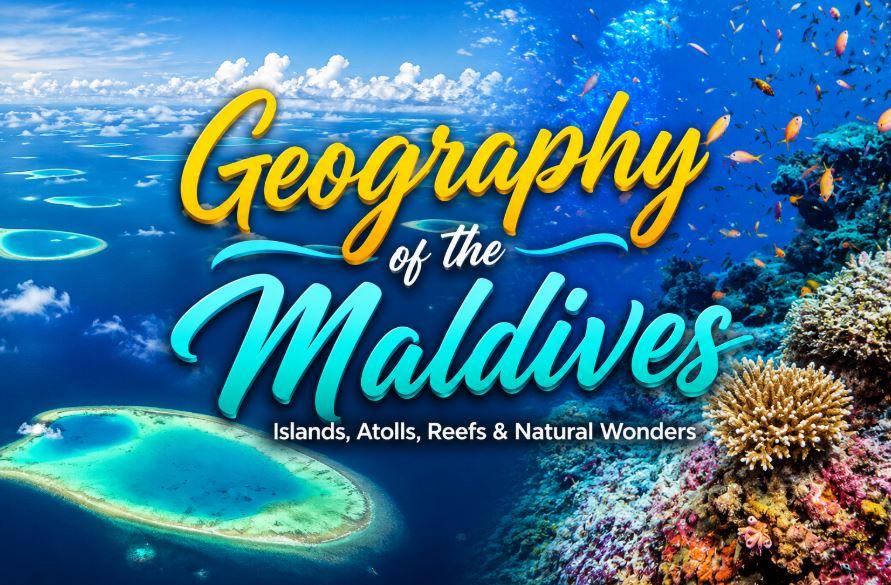
The geography of the Maldives is unlike almost anywhere else on Earth. Scattered across the warm waters of the Indian Ocean, this extraordinary island nation is made up of tiny coral islands, turquoise lagoons, enormous reef systems and spectacular natural atolls.
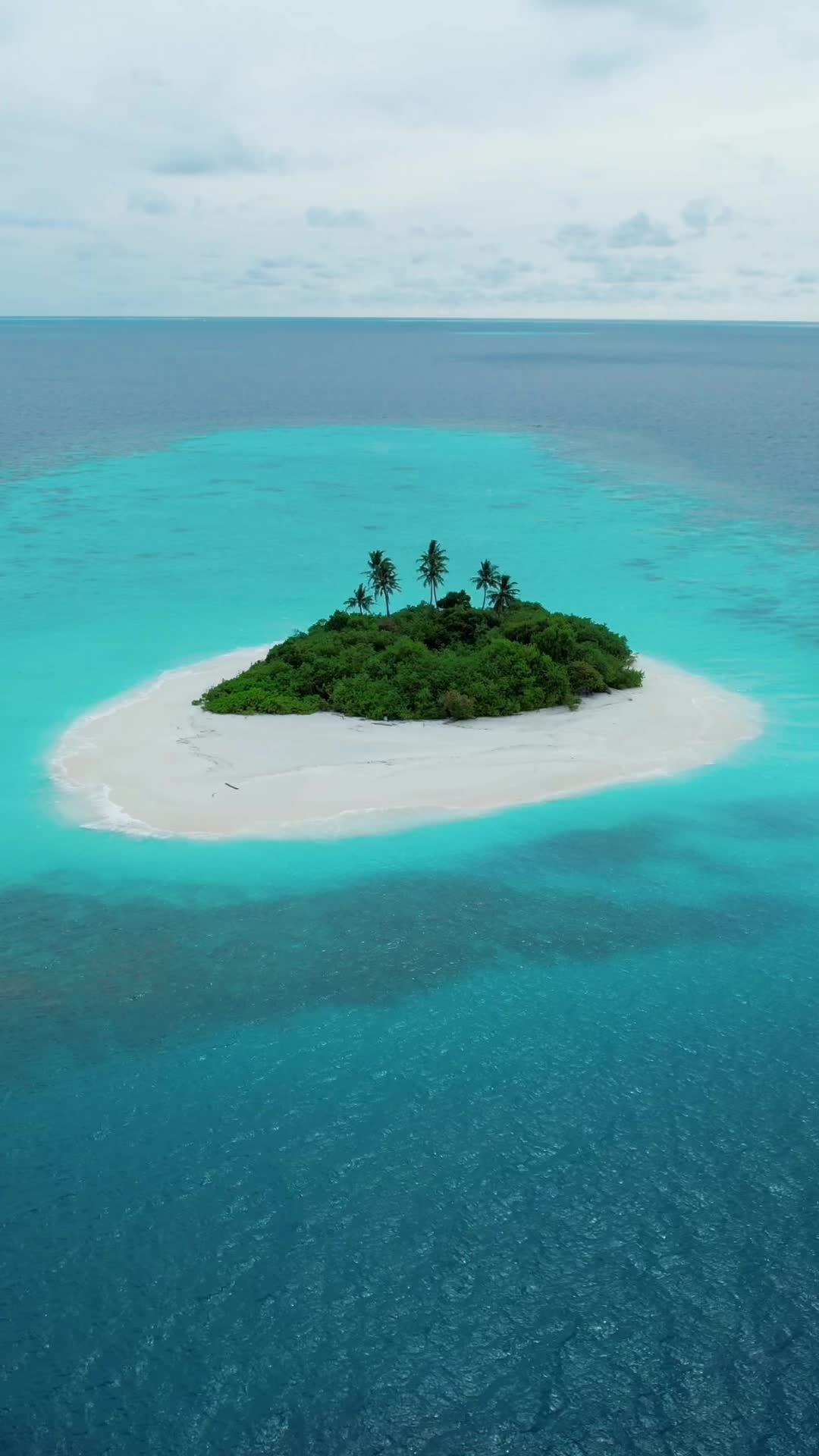
From the air, the Maldives appears as a collection of emerald-green islands surrounded by rings of brilliant turquoise and deep blue ocean. Yet what visitors see above the surface represents only a tiny fraction of the country. More than 99% of the Maldives is ocean, making the sea an essential part of its geography, environment, culture and way of life.
Whether you are planning a Maldives holiday or simply want to understand how these beautiful islands were formed, this guide explores the fascinating geography of the Maldives, its 26 natural atolls, coral islands, lagoons, reefs and unique location in the Indian Ocean.
Where Is the Maldives Located?
The Republic of Maldives is an island nation located in the Indian Ocean, southwest of Sri Lanka and India.
The archipelago crosses the equator and forms a long, narrow chain of islands extending through the tropical Indian Ocean. Its position close to the equator gives the Maldives a warm tropical climate throughout the year.
The islands are arranged primarily in a north-to-south formation, creating one of the world's most recognizable tropical archipelagos.
The Maldives stretches for approximately 871 kilometres (541 miles) from north to south. Despite this impressive distance, its actual dry-land area is only around 298 square kilometres.
Maldives Geography at a Glance
| Geographical Feature | Details |
|---|---|
| Location | Indian Ocean, southwest of India and Sri Lanka |
| Natural atolls | 26 |
| Islands | Around 1,190–1,192 |
| Length of archipelago | Approximately 871 km |
| Dry-land area | Approximately 298 km² |
| Total geographical area including sea | Around 90,000 km² |
| Inhabited islands | Around 200 |
| Landscape | Coral islands, reefs, lagoons and sandbanks |
| Climate | Tropical |
| Position | The archipelago crosses the equator |
These figures demonstrate one of the most remarkable facts about Maldives geography: the country is overwhelmingly ocean rather than land.
The 26 Natural Atolls of the Maldives
The Maldives consists of approximately 1,192 islands grouped into 26 natural atolls.
An atoll is generally a ring-shaped coral reef or collection of reefs and islands surrounding a lagoon. When viewed from above, Maldivian atolls can appear as enormous circles, ovals or elongated reef formations surrounded by the deep blue Indian Ocean.
Within an atoll, visitors may find dozens or even hundreds of individual reefs, islands, sandbanks and lagoons.
Some islands are permanently inhabited by Maldivian communities. Others have been developed as resort islands, while some are used for agriculture, airports or other purposes. Many smaller islands and sandbanks remain uninhabited.
This unusual arrangement has helped create the famous one-island, one-resort experience associated with Maldives tourism.
Natural Atolls vs Administrative Atolls
Visitors researching a Maldives map may notice that different sources appear to give different numbers of atolls.
The reason is that there is a distinction between the country's natural geographical atolls and its administrative divisions.
Geographically, the Maldives consists of 26 natural atolls. For government and administrative purposes, however, these geographical formations are divided differently.
Understanding this distinction makes reading a Maldives map much easier, especially when comparing traditional atoll names, administrative names and the abbreviated codes commonly used locally.
How Were the Maldives Islands Formed?
The story of the Maldives begins beneath the ocean.
The islands sit along a vast underwater geological structure in the Indian Ocean. Over immense periods of time, coral reefs developed around submerged volcanic foundations.
One of the most famous explanations for atoll formation is associated with naturalist Charles Darwin, who studied coral reefs during the 19th century.
In simplified terms, coral reefs can continue growing upward around slowly subsiding volcanic islands. As the original volcanic land sinks beneath the ocean, coral growth remains near the sunlit surface.
Eventually, what remains visible is a coral reef surrounding a lagoon.
Over time, waves, currents and biological processes deposit broken coral fragments, shells and sand onto parts of these reefs. Gradually, enough material accumulates above sea level to create the small islands characteristic of the Maldives today.
The result is the breathtaking combination of:
-
Coral islands
-
Ring-shaped atolls
-
Shallow lagoons
-
Sandbanks
-
House reefs
-
Reef channels
-
Deep ocean passages
This geological history explains why the landscape of the Maldives is so dramatically different from mountainous or continental destinations.
Coral Reefs: The Foundation of the Maldives
Coral reefs are fundamental to the physical geography of the Maldives.
They do much more than create beautiful snorkeling and diving locations. Reef systems provide a natural foundation for islands and help reduce the energy of incoming ocean waves.
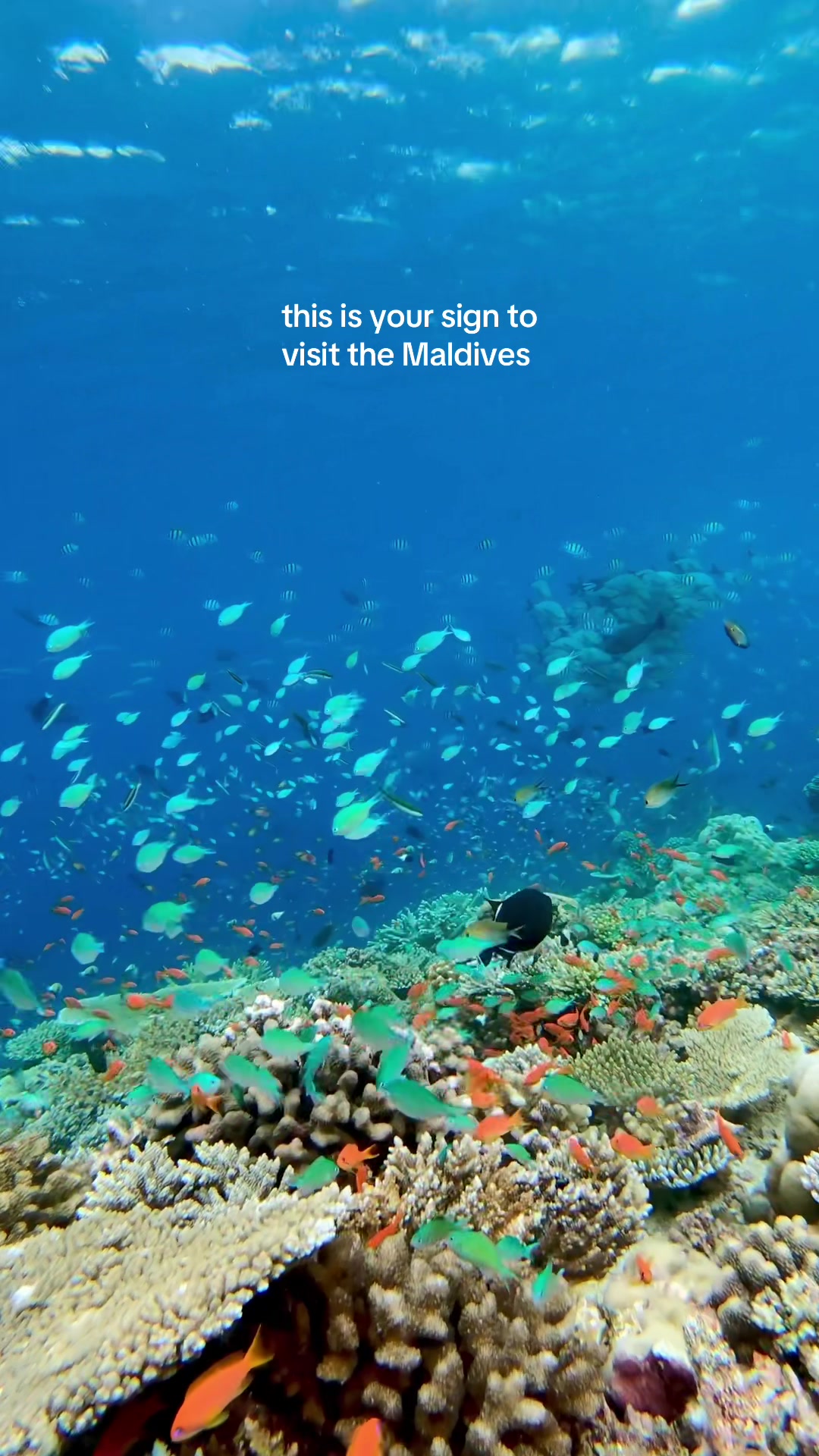
The Maldives is also internationally important for marine biodiversity. Its tropical reefs support an extraordinary variety of marine species, from tiny reef fish and colorful corals to turtles, rays and sharks.
For travelers, this means some of the country's most spectacular geography is actually underwater.
A seemingly ordinary tropical island may be surrounded by a vast reef ecosystem containing coral gardens, steep drop-offs, underwater channels and thriving marine habitats.
Lagoons and the Famous Turquoise Water
The extraordinary turquoise color associated with Maldives travel photography is closely connected to the country's geography.
Many islands are surrounded by shallow lagoons with pale sandy or coral bottoms. Sunlight penetrates the clear tropical water and reflects from these light-colored surfaces, producing brilliant shades of turquoise, aquamarine and blue.
As the seabed becomes deeper beyond the reef, the water changes dramatically to dark blue.
This creates the distinctive bands of color visible from aircraft and seaplanes:
white beach → pale turquoise lagoon → reef → deep blue ocean
It is one of the defining visual characteristics of the Maldives.
Why Are Maldives Islands So Small?
Most natural islands in the Maldives are extremely small compared with islands found in many other tropical destinations.
Instead of mountains, cliffs and extensive inland areas, a typical Maldivian island may consist primarily of a sandy beach surrounding tropical vegetation.
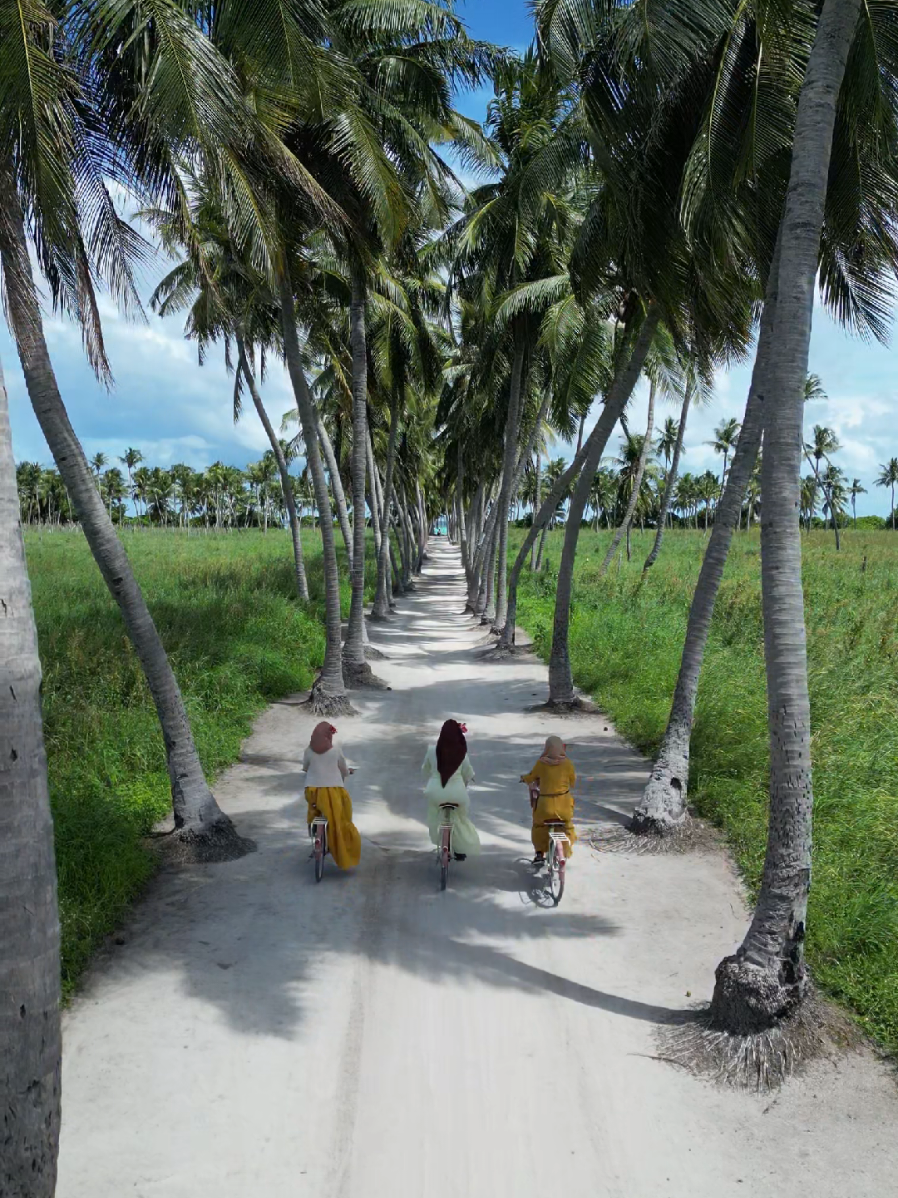
Some islands can be crossed on foot in only a few minutes.
Historically, Gan in Laamu Atoll has been identified as one of the country's largest natural islands, with an area of approximately 5.16 square kilometres.
However, land reclamation has significantly changed the physical size and coastline of several populated islands, particularly around the Greater Malé region. As a result, modern measurements of developed or reclaimed islands should not always be compared directly with historical measurements of natural islands.
The Maldives Is One of the World's Lowest-Lying Countries
Another extraordinary characteristic of Maldives geography is its extremely low elevation.
Most natural land rises only a small distance above sea level. There are no natural mountains or high hills comparable with those found in most countries.
This flat landscape creates the postcard-perfect appearance travelers associate with the destination: white beaches seem to merge almost seamlessly with shallow lagoons and the horizon.
But low elevation also makes the Maldives particularly sensitive to coastal erosion, storm surges, changing wave patterns and rising sea levels.
Beaches and Sandbanks
Maldivian beaches are constantly shaped by the ocean.
Unlike permanent rocky coastlines, coral islands are dynamic environments. Waves, currents and seasonal monsoon conditions can move sand from one side of an island to another.
A beach that is exceptionally wide during one season may become narrower during another before sand gradually returns.
Sandbanks are an even more dramatic example of this process.
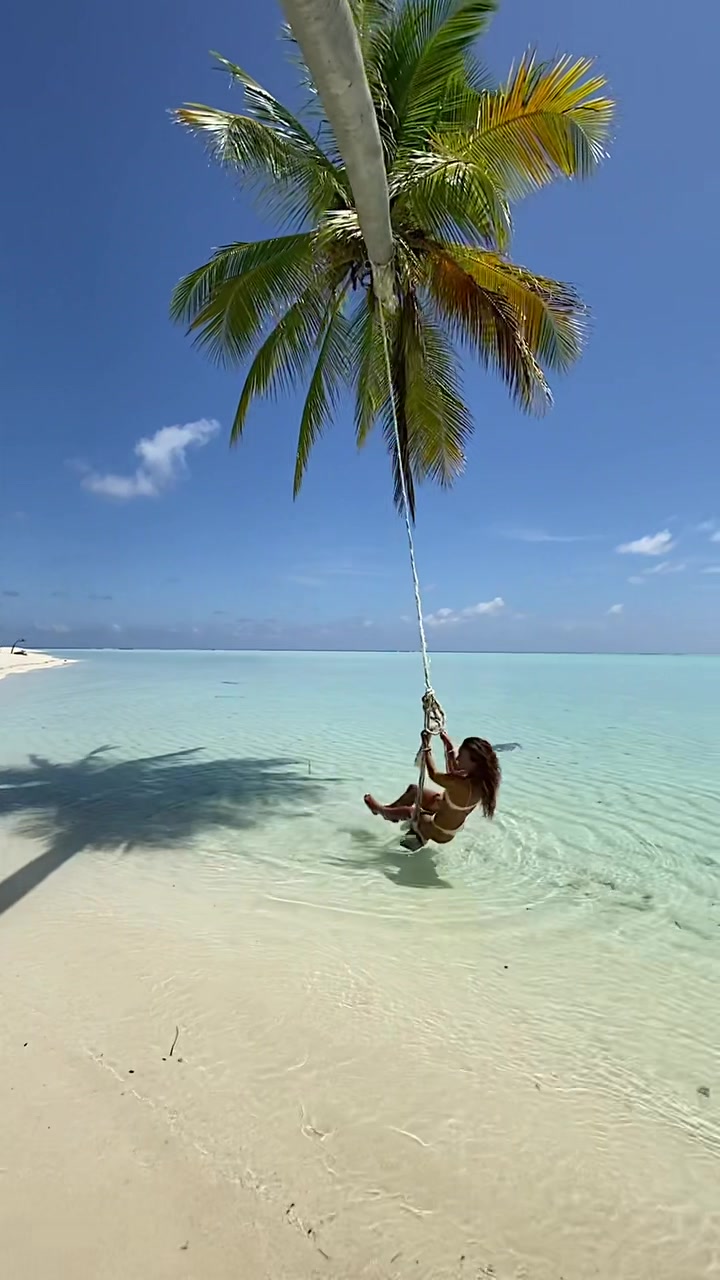
These tiny patches of white sand can appear in lagoons and along reefs, sometimes with no permanent vegetation or buildings. Surrounded entirely by turquoise water, they have become popular destinations for picnics, private excursions, snorkeling trips and romantic experiences.
Channels Between the Atolls
The Maldives is not one continuous reef.
Natural channels and passages separate reefs and atolls, allowing ocean water to move through the archipelago.
These channels play an important ecological role because currents transport nutrients into and out of lagoons.
They can also create excellent conditions for marine life.
This is one reason certain channels and reef edges are famous among scuba divers. Depending on location and season, nutrient-rich currents can attract schools of fish, reef sharks, eagle rays, manta rays and other marine species.
Northern, Central and Southern Maldives
Although the islands may initially appear similar, the geography changes considerably from north to south.
Northern Maldives
The northern atolls contain broad reef systems, numerous islands, lagoons and channels. Many areas remain relatively remote compared with the heavily visited central tourism region.
Central Maldives
The central region includes Malé and the Greater Malé area, the country's main population and transportation hub.
North Malé Atoll and South Malé Atoll contain many resorts because of their proximity to Velana International Airport.
Ari Atoll, west of Malé, is another major tourism region and is particularly famous for diving and marine encounters.
Southern Maldives
The southern atolls cross and extend below the equator.
The geography becomes particularly impressive around the enormous southern reef systems. Huvadhu Atoll is one of the world's largest natural atoll formations.
Further south lies Addu Atoll, one of the most distinctive geographical areas of the country.
Islands on Both Sides of the Equator
One fascinating feature of the Maldives is that the archipelago extends across the equator.
Most major tourism areas are located north of the equator, but the southern Maldives extends into the Southern Hemisphere.
Travelers visiting southern atolls can therefore experience one of the unusual geographical attractions of a Maldives holiday: crossing the equator while traveling between different parts of the country.
Geography Shapes Travel in the Maldives
The geography of the country has a direct impact on how visitors travel.
There are no highways connecting the atolls and no bridges linking most islands. Instead, transportation depends heavily on the sea and air.
Common ways of traveling between Maldives islands include:
Speedboats – commonly used for islands relatively close to Malé and regional airports.
Seaplanes – provide direct transfers to many remote resorts and offer spectacular aerial views of the atolls.
Domestic flights – connect Malé with regional airports throughout the archipelago.
Ferries – connect various inhabited islands, particularly for local transportation.
Distances that appear relatively short on a map can therefore require a boat journey or domestic flight.
Geography Creates the Maldives Resort Experience
The famous Maldives resort experience would not exist in quite the same way without the country's unusual geography.
Because there are so many small islands, resorts can occupy individual islands surrounded completely by ocean.
A typical resort island may feature beaches around its perimeter, a lagoon for swimming, a house reef for snorkeling and deeper water beyond the reef.
This creates the privacy and sense of isolation that have made the Maldives one of the world's most famous honeymoon and luxury holiday destinations.
Geography and Marine Life
The structure of atolls, channels, lagoons and reefs creates a wide range of underwater environments.
Different habitats support different species.
Shallow lagoons can provide nursery areas for young marine animals, while coral reefs support enormous numbers of reef fish. Deep channels and outer reef edges attract larger species.
Depending on the region and season, travelers may encounter:
-
Manta rays
-
Whale sharks
-
Reef sharks
-
Eagle rays
-
Sea turtles
-
Dolphins
-
Tuna
-
Barracuda
-
Napoleon wrasse
-
Thousands of colorful reef fish
This combination of geography and marine biodiversity has made snorkeling and scuba diving in the Maldives internationally famous.
Geography and Climate
The Maldives' location near the equator gives it a tropical climate with warm temperatures throughout the year.
Rather than four conventional seasons, weather patterns are largely influenced by the monsoons.
The northeast monsoon is generally associated with drier conditions, while the southwest monsoon tends to bring more cloud, wind and rainfall.
However, the geography of the archipelago means weather can vary considerably between atolls. It may be raining heavily on one island while another island some distance away remains sunny.
A Fragile and Constantly Changing Landscape
Maldives islands may look permanent, but they are naturally dynamic environments.
Waves and currents continuously move sediment around reefs and coastlines. Beaches grow, shrink and change shape. Sandbanks can appear, disappear and reform.
Human development has also altered the geography of some islands through reclamation, harbor construction, coastal protection and urban expansion.
The most dramatic examples can be seen around the capital region, where reclaimed land has provided additional space for housing, infrastructure and economic development.
Climate Change and the Geography of the Maldives
Because of its exceptionally low elevation, the Maldives is highly exposed to environmental changes affecting the ocean.
Sea-level rise, coastal erosion, coral bleaching, flooding and increasingly severe coastal pressures represent important long-term challenges.
Healthy coral reefs are particularly important. They are not only ecosystems supporting marine life and tourism; they also contribute to the physical processes that help maintain reef islands.
Protecting reefs, beaches and marine habitats is therefore closely connected with protecting the future geography of the Maldives itself.
Why Maldives Geography Is So Unique
Few countries have such an intimate relationship with the ocean.
The Maldives is simultaneously a country, an archipelago, a vast coral reef system and a collection of tiny communities separated by the Indian Ocean.
Its 26 natural atolls and roughly 1,190–1,192 coral islands stretch hundreds of kilometres while occupying only a tiny amount of dry land.
This unusual geography creates almost everything visitors associate with a Maldives holiday: powder-white beaches, crystal-clear lagoons, overwater villas, spectacular house reefs, sandbanks, diving channels and seemingly endless shades of blue.
Frequently Asked Questions About Maldives Geography
How many islands are there in the Maldives?
Official and tourism sources commonly describe the Maldives as having approximately 1,190 to 1,192 islands. The exact number can vary depending on definitions and natural changes to small sandbanks and reef islands.
How many atolls are in the Maldives?
The Maldives consists of 26 natural geographical atolls.
How much land does the Maldives have?
The country has approximately 298 square kilometres of dry land, despite occupying a geographical area of roughly 90,000 square kilometres when its surrounding waters are included.
Is the Maldives on the equator?
Yes. The Maldives archipelago crosses the equator, with islands located in both the Northern and Southern hemispheres.
Are Maldives islands volcanic?
The islands visible today are primarily coral reef islands, although their geological history is associated with an ancient submarine volcanic ridge beneath the Indian Ocean.
Why is the water in the Maldives so blue?
Shallow, clear water over pale sand and coral reflects sunlight and creates the brilliant turquoise color seen around Maldives islands. Water becomes darker blue where the ocean becomes deeper.
Are there mountains in the Maldives?
No. The Maldives is an exceptionally flat and low-lying country, with most natural land only slightly above sea level.
What is an atoll?
An atoll is a coral reef formation that typically surrounds or partially surrounds a lagoon. The Maldives contains some of the world's most spectacular examples.
Final Thoughts
The geography of the Maldives is the foundation of everything that makes this Indian Ocean destination extraordinary.
Approximately 1,190–1,192 islands scattered across 26 natural atolls create an immense network of coral reefs, turquoise lagoons, beaches, sandbanks and ocean channels stretching across the equator.
Above water, travelers discover tiny palm-covered islands surrounded by white sand. Beneath the surface lies an even larger world of coral formations and marine ecosystems.
Understanding this geography helps explain not only why the Maldives is so beautiful, but also why its environment is so valuable and fragile.
For travelers, there may be no better way to appreciate the scale of the Maldives than looking down from a seaplane window: tiny green islands, perfect rings of coral and luminous turquoise lagoons scattered across an apparently endless blue Indian Ocean.
 English
 Arabic
 French
 Spanish
 Portuguese
 Deutsch
 Turkish
 Dutch
Dutch
 Italiano
 Russian
 Romaian
 Portuguese (Brazil)
 Greek
Greek