

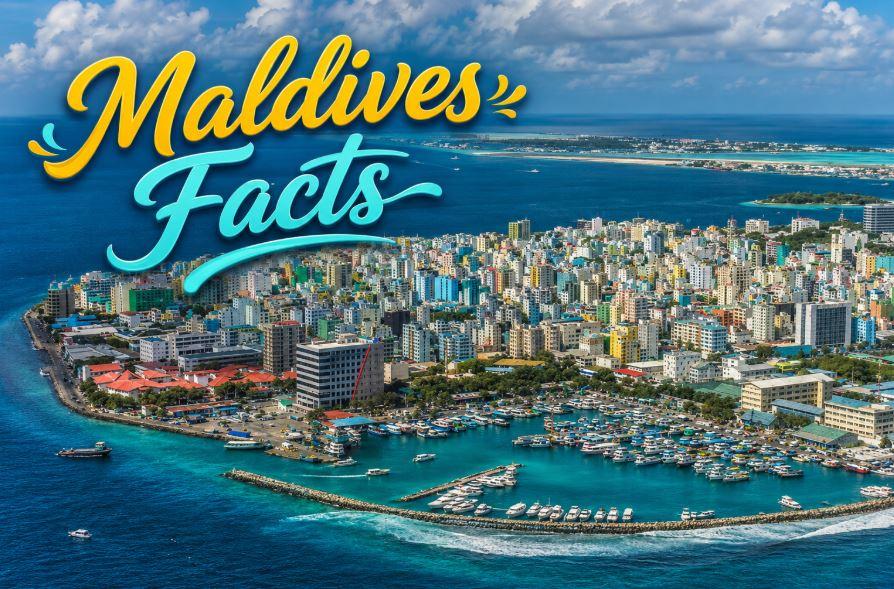
The Maldives is one of the world's most extraordinary tropical destinations—a chain of tiny coral islands scattered across the warm blue waters of the Indian Ocean. Famous for powder-white beaches, turquoise lagoons, coral reefs, overwater villas and spectacular marine life, the country attracts travelers looking for everything from luxury honeymoons to diving adventures and affordable local-island holidays.
But there is much more to the Maldives than beautiful beaches.
The Maldives is an independent island nation with its own language, culture, cuisine and centuries of history. Its unusual geography has also created a way of life unlike almost anywhere else on Earth.
Whether you're planning your first Maldives vacation or simply want to learn more about the country, here are the most important Maldives facts and travel information for 2026.
Maldives Quick Facts
Official name: Republic of Maldives
Capital: Malé
Location: Indian Ocean, southwest of India and Sri Lanka
Number of islands: Approximately 1,192
Geography: Coral islands grouped into atolls
Administrative atolls: 20
Capital city: Malé
Official language: Dhivehi
Widely spoken tourist language: English
Currency: Maldivian Rufiyaa (MVR)
Religion: Islam
Time zone: Maldives Standard Time (UTC+5)
International dialing code: +960
Driving side: Left
Climate: Tropical
Typical temperature: Around 25–30°C throughout the year
Main international gateway: Velana International Airport (MLE)
Major industry: Tourism
The Maldives consists of around 1,200 islands spread across a vast section of the Indian Ocean. Government information describes the country as having 22 geographical atolls divided into 20 administrative atoll units, with only around 200 islands inhabited.
Where Is the Maldives?
The Maldives is located in the Indian Ocean, southwest of Sri Lanka and India.
Its islands form a long chain running roughly north to south across the equator. Although the country's land area is tiny, the islands and reefs are scattered over an enormous marine territory.
This geography is one reason a Maldives vacation feels so unusual. Instead of large cities connected by highways, communities, resorts and airports are separated by the ocean.
Travel between islands is therefore mainly by:
-
Speedboat
-
Domestic flight
-
Seaplane
-
Public ferry
-
Private boat
For visitors, simply traveling from the airport to a remote resort can become part of the Maldives experience.
How Many Islands Are There in the Maldives?
The Maldives is generally described as having 1,192 coral islands.
However, only a relatively small percentage are permanently inhabited.
Maldivian islands generally fall into several categories, including inhabited local islands, resort islands, industrial or agricultural islands and uninhabited islands.
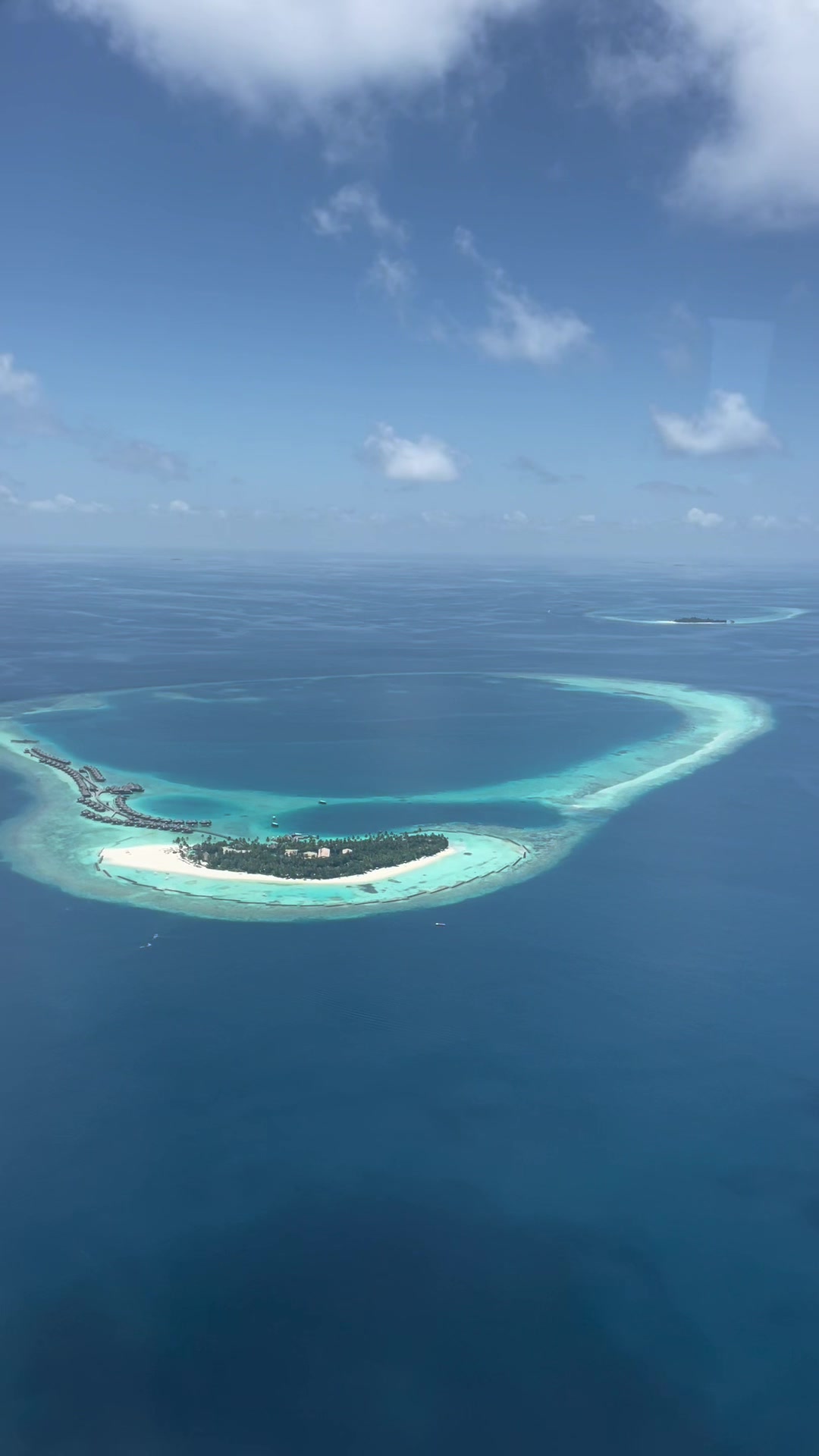
One of the most distinctive features of Maldives tourism is the famous “one island, one resort” concept. Many resorts occupy an entire private island, giving guests beaches, restaurants, villas and recreational facilities within one self-contained destination.
Local-island tourism offers a completely different experience, allowing travelers to stay in guesthouses and experience everyday Maldivian communities.
Maldives Atolls Explained
The islands of the Maldives are grouped into natural coral formations known as atolls.
Official Maldives information describes 22 geographical atolls, while the country is organized into 20 administrative atoll units.
Travelers will frequently encounter well-known names such as:
North Malé Atoll, South Malé Atoll, Ari Atoll, Baa Atoll, Raa Atoll, Noonu Atoll, Lhaviyani Atoll, Dhaalu Atoll, Laamu Atoll and Addu Atoll.
Each area offers a somewhat different experience.
Some are famous for luxury resorts, while others are particularly well known for diving, surfing, whale sharks, manta rays or local-island tourism.
What Is the Capital of the Maldives?
Malé is the capital and political and commercial center of the Maldives.
The compact island city presents a dramatic contrast to the peaceful resort islands tourists usually associate with the country.
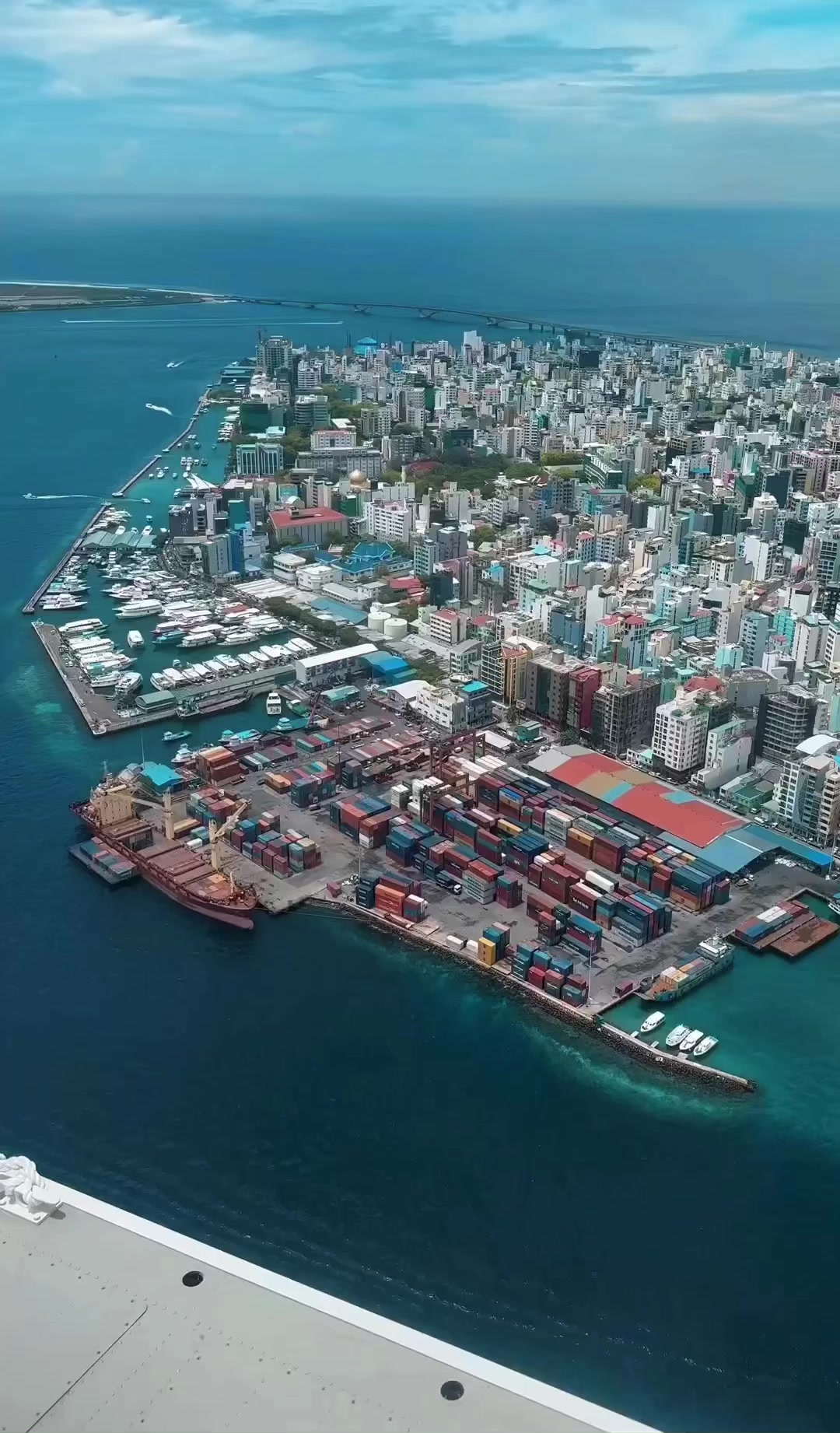
Malé contains government offices, businesses, schools, mosques, markets, restaurants and densely populated residential neighborhoods.
Nearby Hulhulé is home to Velana International Airport, the country's principal international aviation gateway.
Hulhumalé, meanwhile, is a large reclaimed island developed to provide additional residential, commercial and tourism space for the Greater Malé region.
What Language Is Spoken in the Maldives?
The official language is Dhivehi, an Indo-Aryan language unique to the Maldives.
Dhivehi is written using a distinctive script known as Thaana, which is written from right to left.
English is widely used throughout the tourism industry. Travelers will normally have little difficulty communicating in English at resorts, hotels, guesthouses, airports, dive centers and other tourism businesses.
Maldives Currency
The national currency is the Maldivian Rufiyaa, abbreviated as MVR.
The rufiyaa is divided into 100 laari.
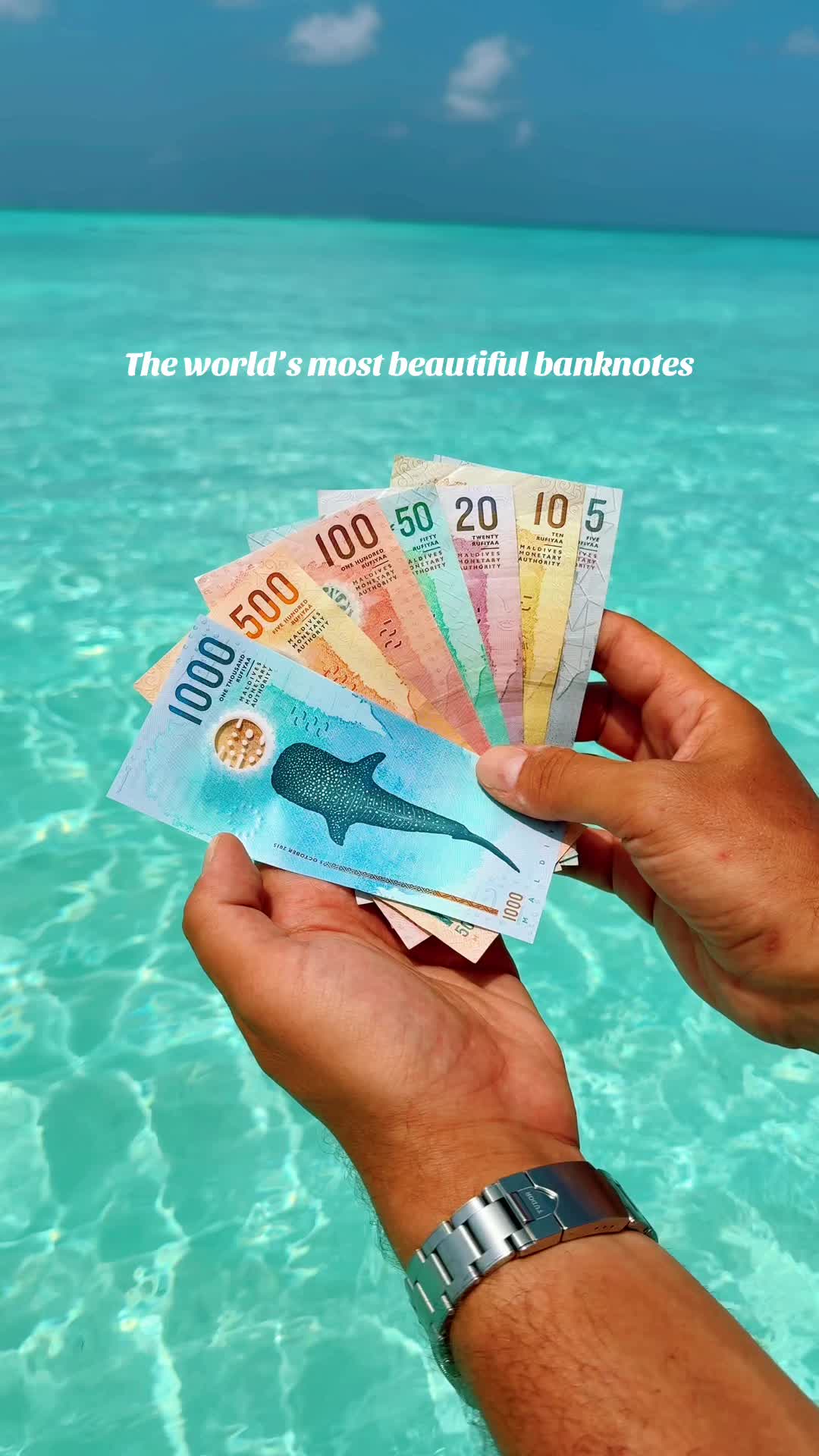
However, international visitors will also frequently encounter prices quoted in US dollars, particularly at resorts and tourism businesses.
Major resorts and hotels generally accept international payment cards, while carrying some local currency can be useful when visiting inhabited islands and smaller local businesses.
Religion and Maldivian Culture
Islam is central to Maldivian society, culture and everyday life.
Visitors staying on inhabited islands should therefore respect local customs, particularly regarding clothing, alcohol and public behavior.
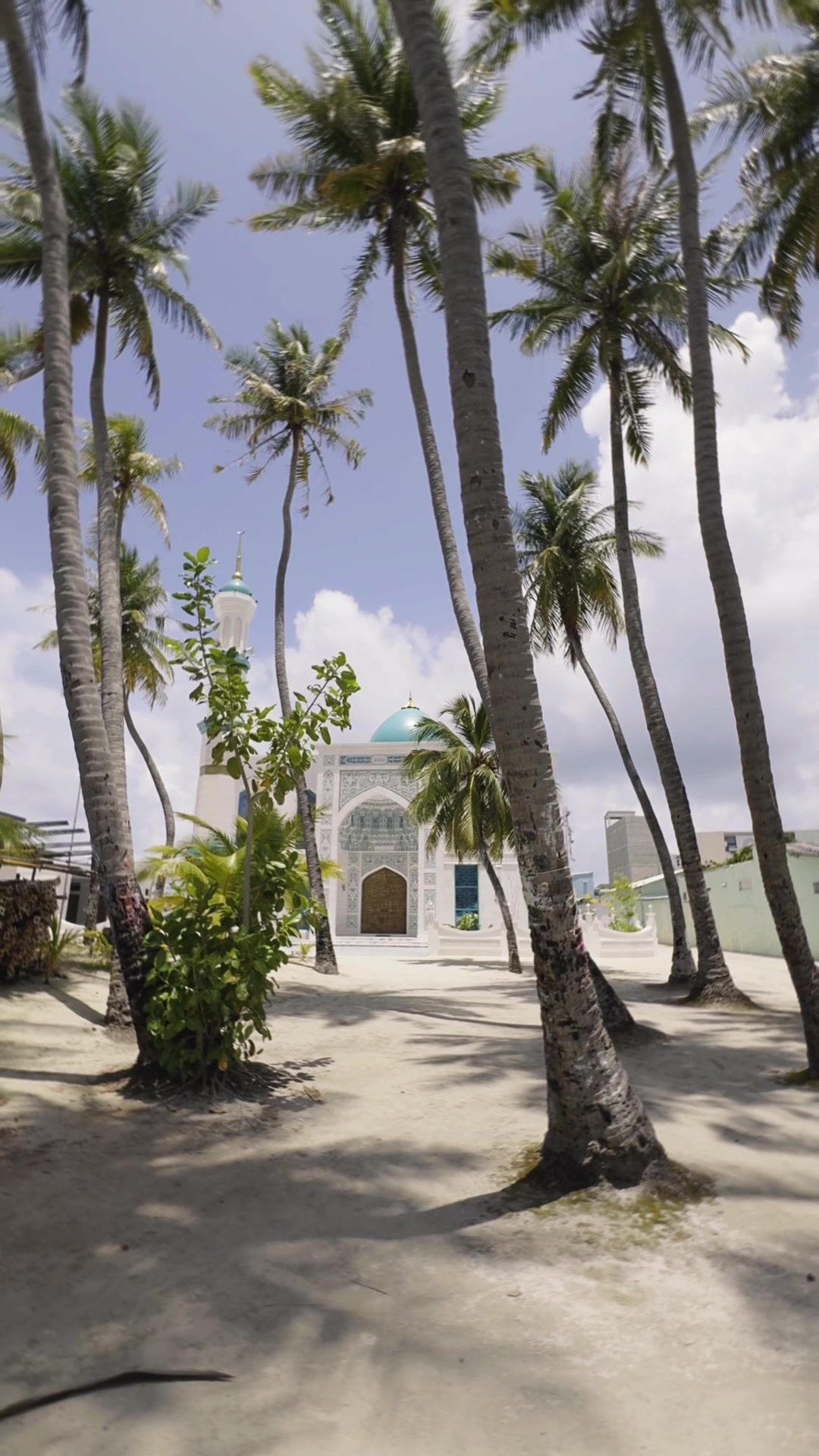
Resort islands operate differently from residential islands and are specifically developed for international tourism. Alcohol, for example, may be available at licensed tourist resorts but is prohibited on ordinary inhabited local islands.
When visiting local communities, travelers should dress respectfully outside designated tourist or bikini beaches.
During Ramadan, travelers visiting inhabited islands may also notice changes to restaurant hours and daily routines.
Understanding these differences helps visitors enjoy both resort and local-island experiences while respecting Maldivian culture.
What Is the Weather Like in the Maldives?
The Maldives has a warm tropical climate throughout the year.
Typical temperatures stay at approximately 25°C to 30°C, with relatively small seasonal temperature changes.
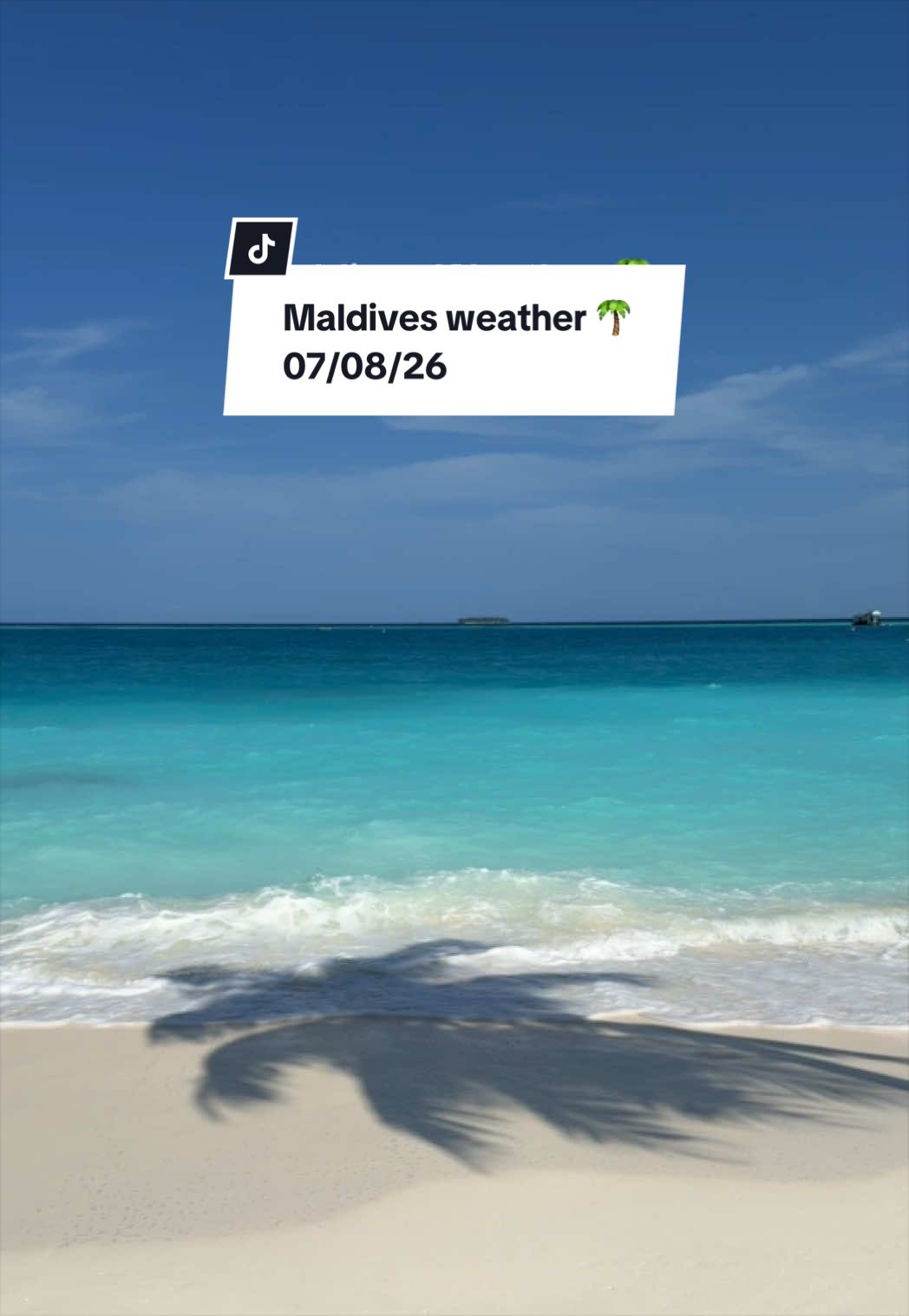
Rather than four conventional seasons, Maldives weather is influenced primarily by two monsoon periods.
December to April
This is generally the drier and sunnier period and overlaps with the country's main high tourism season.
Visitors can typically expect more sunshine, lower rainfall and excellent beach conditions.
December through April is consequently one of the most popular periods for Maldives holidays.
May to November
These months generally bring a greater chance of rain, cloud, wind and occasional thunderstorms.
That does not mean it rains continuously.
Tropical showers can arrive suddenly and disappear quickly, sometimes followed by brilliant sunshine.
This period can also provide lower accommodation prices and excellent conditions for certain water sports and marine-life experiences.
When Is the Best Time to Visit the Maldives?
For travelers primarily seeking sunshine and calm beach weather, January through April is generally considered one of the best periods.
However, there is no single perfect month for everyone.
The best time depends on what you want to do.
Beach travelers may prefer the dry season.
Surfers often favor periods with stronger swells.
Divers may choose their location and travel dates according to currents, visibility and marine-life movements.
Budget-conscious travelers may find better resort offers during the wetter months.
The Maldives therefore remains a genuine year-round destination.
Maldives Marine Life
Some of the Maldives' greatest treasures are actually underwater.
Coral reefs surround many islands and provide habitats for an extraordinary variety of marine species.
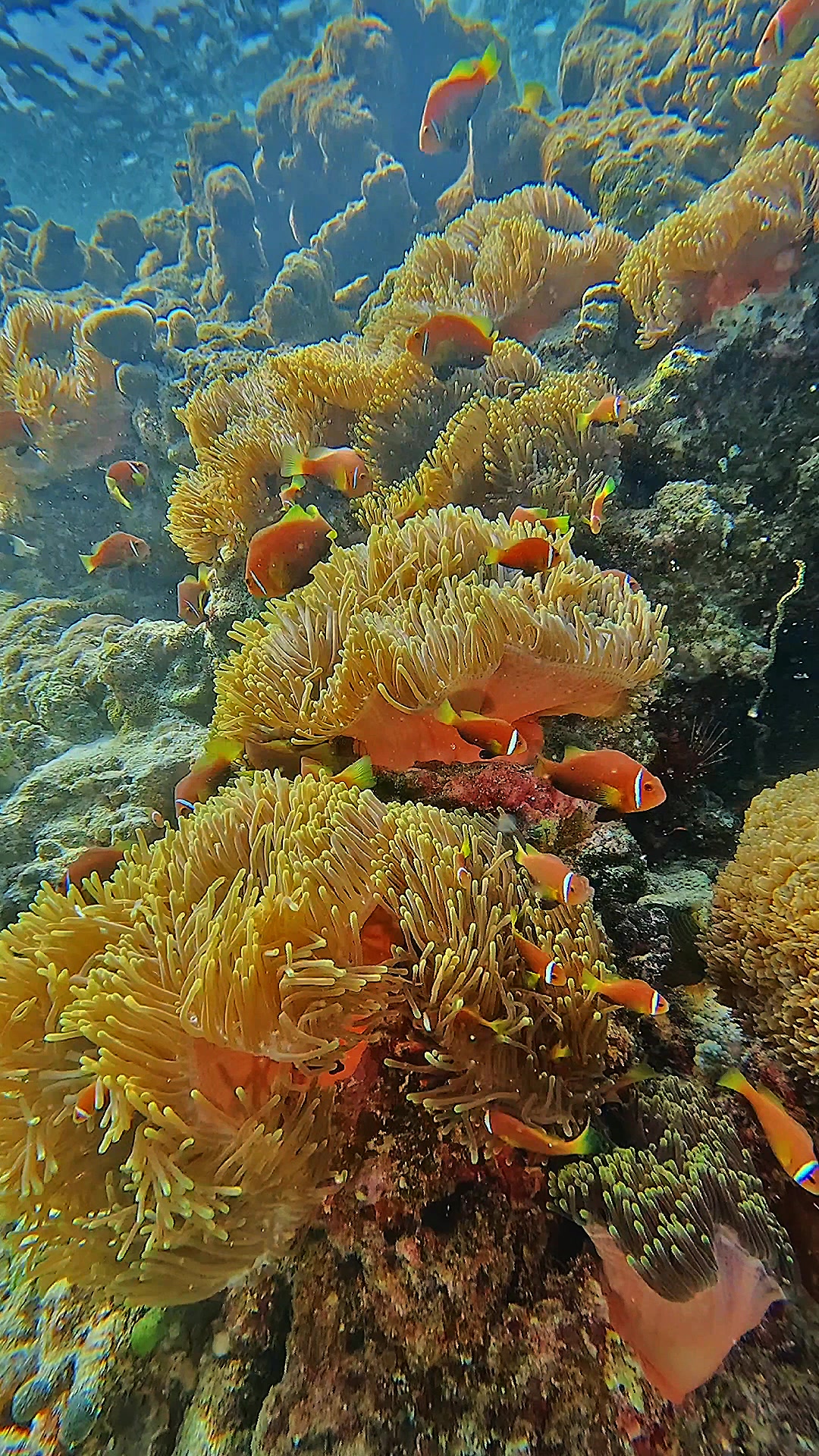
Visitors may encounter:
Tropical reef fish, sea turtles, reef sharks, eagle rays, stingrays, moray eels, dolphins, manta rays and whale sharks.
Certain areas are particularly famous for large marine animals.
South Ari Atoll, for example, is internationally known for whale shark encounters, while Baa Atoll is famous for seasonal manta ray aggregations.
Snorkeling and scuba diving are consequently among the most popular things to do in the Maldives.
Beaches and Lagoons
Maldives beaches are famous for exceptionally fine white coral sand.
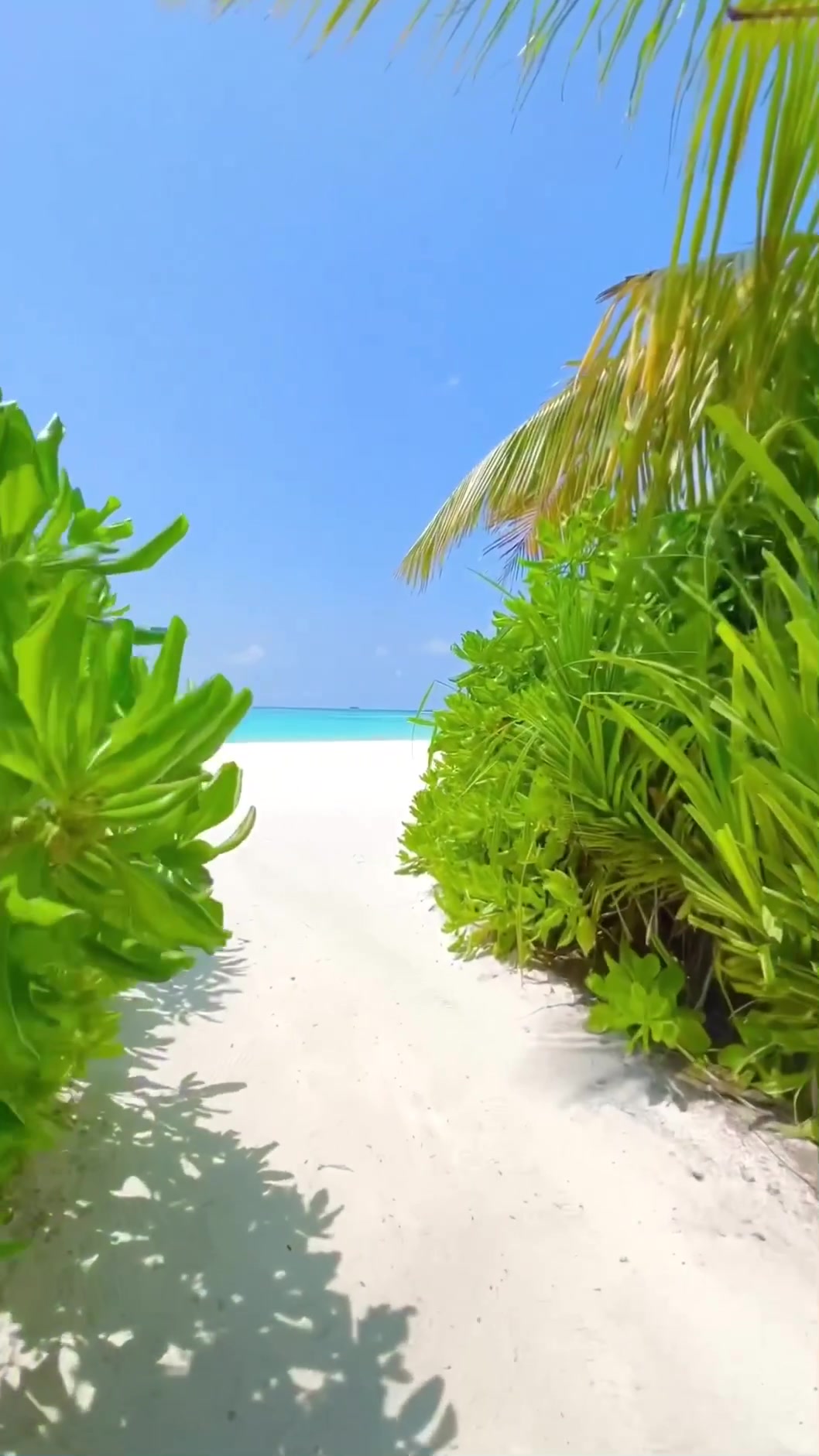
Unlike many continental beaches where sand originates from eroded rock, much of the sand on tropical coral islands comes from biological and coral-reef processes.
The surrounding shallow lagoons create the spectacular turquoise colors seen in Maldives photographs.
Water depth, sunlight and the white sandy seabed combine to produce shades ranging from pale aqua to deep blue.
Getting to the Maldives
Most international travelers arrive by air.
The country's primary gateway is Velana International Airport (MLE), located next to the capital region.
After landing, visitors usually continue to their accommodation by speedboat, seaplane or domestic flight followed by a boat transfer.
Transfer arrangements are particularly important when booking a Maldives holiday because resorts may be located hundreds of kilometers from Malé.
Always check the transfer price before confirming accommodation. A seemingly inexpensive hotel or resort can become considerably more expensive once domestic flights or seaplane transfers are included.
Maldives Visa for Tourists
The Maldives has traditionally offered a convenient tourist visa on arrival system for eligible international visitors.
Travelers should nevertheless check the latest entry conditions with Maldives Immigration before departure, as passport, onward-ticket, accommodation, financial and traveler-declaration requirements can change.
Do not rely solely on older travel articles for immigration requirements.
Maldives Traveller Declaration
International travelers should also check the latest requirements for the Maldives' IMUGA Traveller Declaration before traveling.
Rules have changed over time. For example, Maldives Immigration removed the requirement for outbound travelers to complete the Traveller Declaration when departing the country from August 15, 2024.
Because entry procedures can be updated, visitors should verify the current requirements shortly before their flight.
Tourism in the Maldives
Tourism is one of the foundations of the Maldivian economy.
The country's modern tourism industry began in 1972, eventually transforming previously little-known tropical islands into one of the world's most recognizable luxury destinations.
Today visitors can choose among private-island resorts, city hotels, local-island guesthouses and safari/liveaboard vessels—the four main tourist accommodation categories recognized by the Maldives tourism authorities.
Tourism continues to grow strongly. The Maldives welcomed its one-millionth tourist of 2026 in June, while the government has set a target of 2.5 million arrivals for the full year.
This illustrates just how significant international tourism has become for a geographically tiny island nation.
Resort Islands vs Local Islands
One important Maldives fact for first-time visitors is that resort islands and inhabited local islands provide very different experiences.
Resort Islands
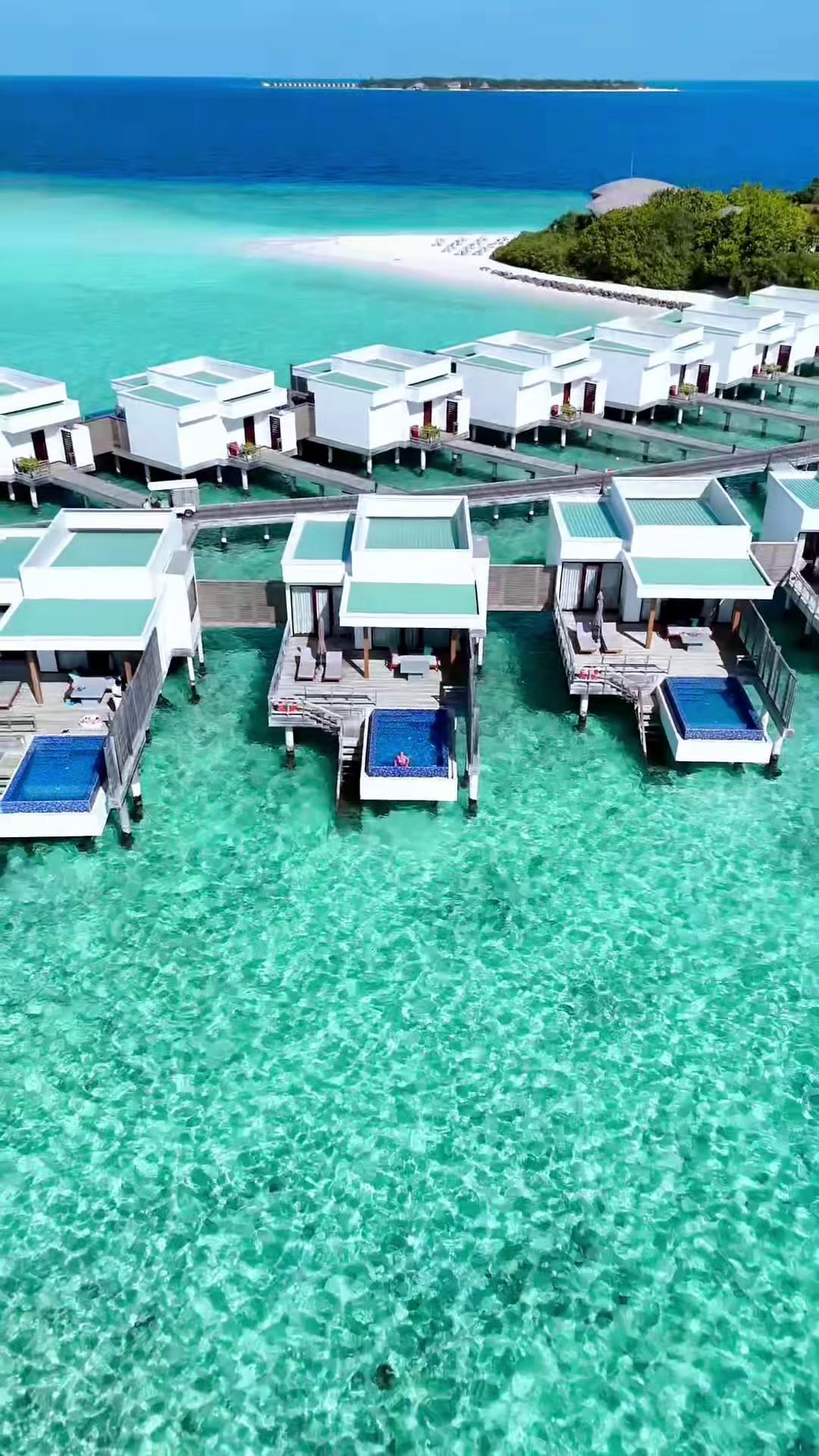
Private resort islands generally offer:
Luxury villas
Overwater accommodation
Restaurants and bars
Swimming pools
Spas
Water sports
Diving centers
Private beaches
International cuisine
They offer greater privacy and operate primarily for tourists.
Local Islands
Guesthouse islands allow visitors to experience everyday Maldivian life.
They can also be significantly more affordable than private resorts.
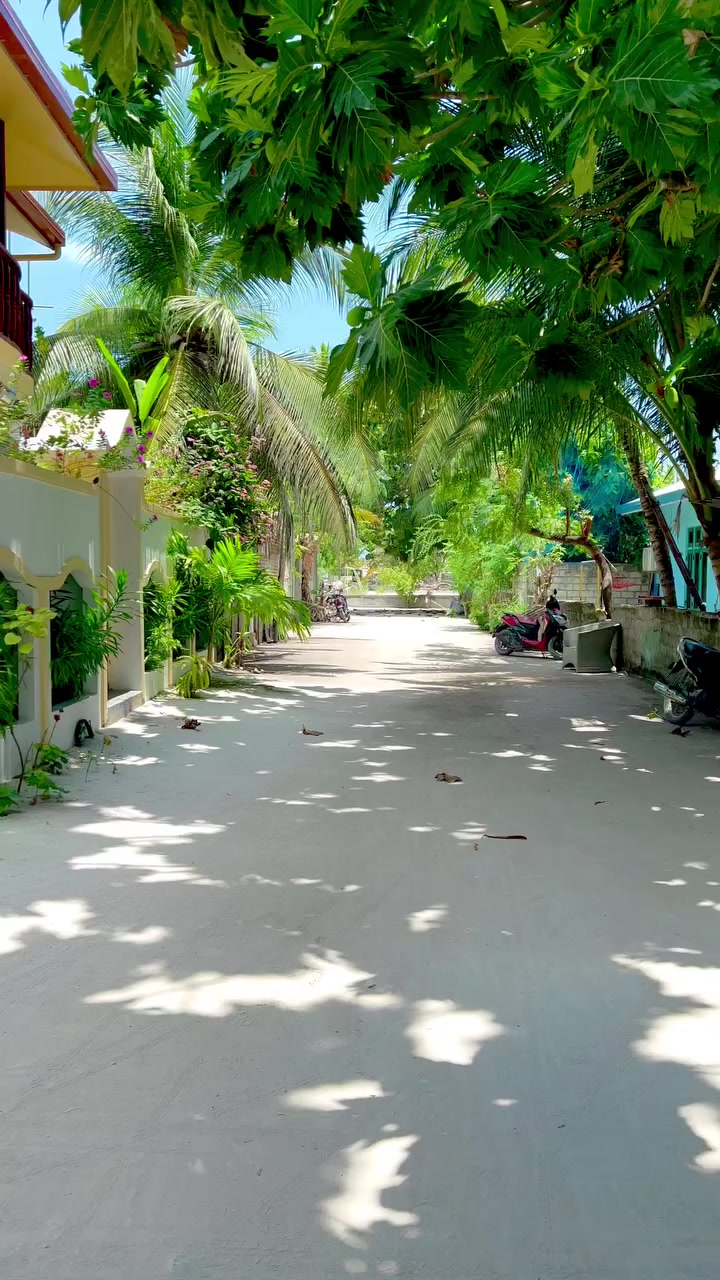
Popular local-island destinations include Maafushi, Thulusdhoo, Dhiffushi, Ukulhas, Rasdhoo, Thoddoo and Dhigurah.
Local customs apply, however, so visitors should understand rules regarding clothing and alcohol before traveling.
Food in the Maldives
Traditional Maldivian cuisine reflects the country's geography.
Three ingredients have historically played especially important roles:
Fish, coconut and rice.
Tuna is particularly important and appears in numerous local dishes.
Popular Maldivian foods include mas huni, a breakfast mixture traditionally made with tuna, coconut, onion and chili, usually eaten with flatbread.
Other foods visitors may encounter include fish curries, grilled seafood, short eats known locally as hedhikaa, and dishes flavored with coconut and chili.
Resort restaurants offer a much broader range of international cuisine, often including Asian, Middle Eastern, Indian, Mediterranean and European options.
What to Wear in the Maldives
What you should wear depends largely on where you're staying.
At private resorts, ordinary tropical holiday clothing and swimwear are generally appropriate.
On inhabited local islands, modest clothing should be worn in public areas.
Bikinis are generally restricted to designated bikini beaches on local islands.
Lightweight clothing is ideal because the climate is hot and humid throughout the year.
A hat, sunglasses and strong sun protection are also useful because tropical sunlight can be intense.
Electricity in the Maldives
Electricity is generally 230V at 50Hz.
Plug types can vary between properties, and many resorts provide universal sockets or adapters.
International travelers should still consider bringing a universal travel adapter, particularly when carrying several electronic devices.
Maldives Time Zone
The Maldives uses Maldives Standard Time (MST), UTC+5.
There is no national daylight-saving time.
Interestingly, some private resorts operate their own unofficial “island time,” occasionally moving clocks an hour ahead to provide guests with additional perceived daylight during the evening.
Always confirm your resort's local time when arranging excursions, transfers or seaplane departures.
Internet and Mobile Connections
Internet access is widely available at Maldives resorts, hotels and guesthouses.
Travelers who need regular mobile data can purchase local SIM or eSIM services where available.
Coverage is generally good around populated areas and established tourism destinations, although speeds can vary on remote islands and at sea.
Many visitors find mobile connectivity surprisingly good considering how geographically dispersed the country is.
Is the Maldives Only for Honeymoons?
Definitely not.
The Maldives remains one of the world's most famous honeymoon destinations, but modern Maldives tourism caters to a much wider range of travelers.
Visitors now include:
Couples
Families
Solo travelers
Divers
Surfers
Wellness travelers
Luxury travelers
Budget travelers
Photographers
Adventure travelers
The growth of local-island guesthouses has also made visiting the Maldives considerably more accessible to travelers who do not want to spend thousands of dollars at a private resort.
Popular Things to Do in the Maldives
Although relaxing on a tropical beach may be enough for some travelers, there are dozens of activities available across the islands.
Popular experiences include snorkeling, scuba diving, jet skiing, kayaking, stand-up paddleboarding, parasailing, surfing, fishing, dolphin cruises, sunset cruises, sandbank trips, island hopping and spa treatments.
Marine-life excursions to see manta rays, whale sharks, dolphins and sea turtles can become highlights of a Maldives vacation.
Travelers interested in culture can also visit inhabited islands and Malé to discover a side of the country rarely visible from a private resort.
Interesting Facts About the Maldives
1. The Maldives crosses the equator.
The country's long chain of islands extends across the equatorial region of the Indian Ocean.
2. It is one of the world's most geographically dispersed countries.
Approximately 1,200 islands are scattered across a huge marine area.
3. Most of the Maldives is ocean.
The country's tiny islands represent only a fraction of its overall territory.
4. There are no mountains.
The Maldives consists of extremely low-lying coral islands rather than mountainous continental land.
5. Every island is different.
Some are inhabited, some contain resorts, some are used for industry or agriculture and many remain uninhabited.
6. Boats are part of everyday life.
The ocean functions much like a network of highways, connecting communities and tourism destinations.
7. Dhivehi has its own writing system.
The Thaana alphabet is written from right to left.
8. Friday is particularly important.
As an Islamic country, Friday has special religious and social significance.
9. Tuna is deeply connected to Maldivian cuisine.
Fishing has supported island communities for generations.
10. Tourism only began in 1972.
In just over half a century, the Maldives developed into one of the world's best-known tropical destinations.
Maldives Travel Tips for First-Time Visitors
Before booking your trip, remember several practical points.
Check your resort transfer cost separately from the room price. Confirm whether taxes and service charges are included in advertised rates. Check current immigration requirements before flying. Pack reef-conscious sun protection and lightweight tropical clothing.
If you're staying on a local island, learn about local customs and designated bikini beaches.
Most importantly, choose your island according to the experience you want.
A small romantic resort, a large family resort, a remote diving island and a busy local guesthouse island can all offer completely different Maldives holidays.
Why Is the Maldives So Famous?
Few destinations combine tropical scenery and ocean experiences as dramatically as the Maldives.
Tiny islands sit inside luminous lagoons. Coral reefs can begin only meters from the beach. Villas extend directly over the ocean, while manta rays, dolphins, turtles and tropical fish inhabit the surrounding waters.
Yet the Maldives is not simply a collection of luxury resorts.
Beyond the postcard images lies a living island nation with its own communities, language, traditions, food and history.
That combination—extraordinary geography, tropical weather, marine biodiversity, Maldivian culture and world-class tourism—is what makes the Maldives unlike almost anywhere else.
Frequently Asked Questions About the Maldives
Where are the Maldives located?
The Maldives is an island nation in the Indian Ocean, southwest of India and Sri Lanka.
What is the capital of the Maldives?
The capital is Malé.
How many islands are in the Maldives?
The Maldives consists of approximately 1,192 islands grouped within coral atolls.
What currency is used in the Maldives?
The official currency is the Maldivian Rufiyaa (MVR), although US dollars are commonly used in the tourism industry.
What language do Maldivians speak?
The official language is Dhivehi. English is widely spoken in resorts and throughout the tourism sector.
What is the best time to visit the Maldives?
For generally sunnier and drier conditions, December through April is the most popular period. The Maldives can nevertheless be visited throughout the year.
Is the Maldives expensive?
It can be, but it doesn't have to be. Ultra-luxury private resorts can cost thousands of dollars per night, while local-island guesthouses provide much more affordable accommodation.
Can you drink alcohol in the Maldives?
Alcohol is available at licensed tourist resorts and certain tourism facilities but is prohibited on ordinary inhabited local islands.
Is the Maldives good for families?
Yes. Many resorts have kids' clubs, family villas, children's pools, water sports and family-oriented activities.
Is the Maldives worth visiting?
For travelers who enjoy tropical beaches, snorkeling, diving, marine life, water sports or relaxing island holidays, the Maldives offers an experience that is difficult to reproduce elsewhere.
Final Thoughts
The Maldives in 2026 remains much more than a luxury honeymoon destination.
It is an extraordinary island nation shaped by coral reefs and the Indian Ocean—a place where travelers can wake in an overwater villa, snorkel with tropical fish, visit traditional island communities, dive with sharks, search for manta rays and watch the sun disappear over an uninterrupted ocean horizon.
From approximately 1,192 islands and distinctive coral atolls to the Dhivehi language, Maldivian cuisine and rapidly evolving tourism industry, there is much more behind those famous turquoise-water photographs than first meets the eye.
Understanding these Maldives facts and essential travel information before you arrive will help you choose the right island, plan your transfers, respect local culture and make the most of one of the world's most remarkable tropical destinations.

 Dhivehi
 English
 Arabic
 French
 Spanish
 Deutsch
 Turkish
 Dutch
Dutch
 Italiano
 Russian
 Romaian
 Portuguese (Brazil)
 Greek
Greek