

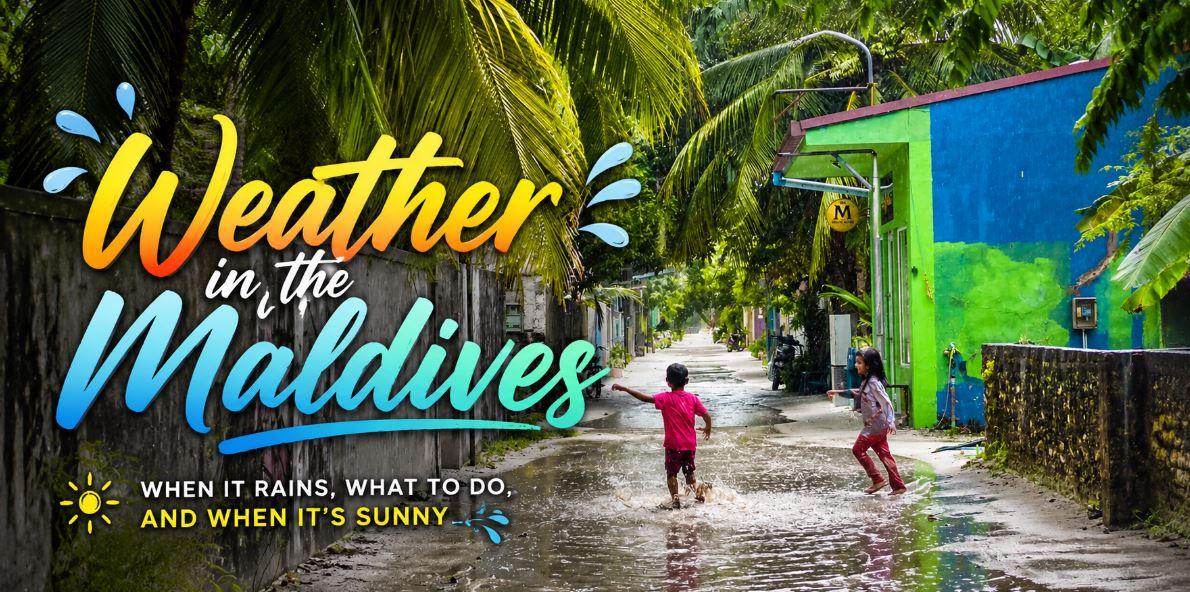
The Maldives is famous for powder-white beaches, crystal-clear lagoons, tropical islands, and seemingly endless sunshine. But like every tropical destination, the Maldives also experiences rain—and understanding the weather in the Maldives can help you choose the best time for your holiday.
The good news is that the Maldives is a year-round tropical destination. Temperatures remain warm throughout the year, and even during the rainy season, rain often comes in showers with sunny periods in between.
So, when does it rain in the Maldives? When is the Maldives sunny? What is the best month to visit? And what can you do when it rains?
Here is a complete guide to Maldives weather throughout the year.
What Is the Weather Like in the Maldives?
The Maldives has a warm, humid tropical climate influenced by the Indian Ocean and the monsoon winds.
Unlike countries with four traditional seasons—spring, summer, autumn, and winter—the Maldives mainly experiences two monsoon seasons:
Northeast Monsoon – Dry Season: Generally January to March
Southwest Monsoon – Wet Season: Generally from mid-May to November
Transitional Months: April and December
According to the Maldives Meteorological Service, average temperatures generally range between approximately 25°C and 32°C (77°F–90°F) throughout the year.
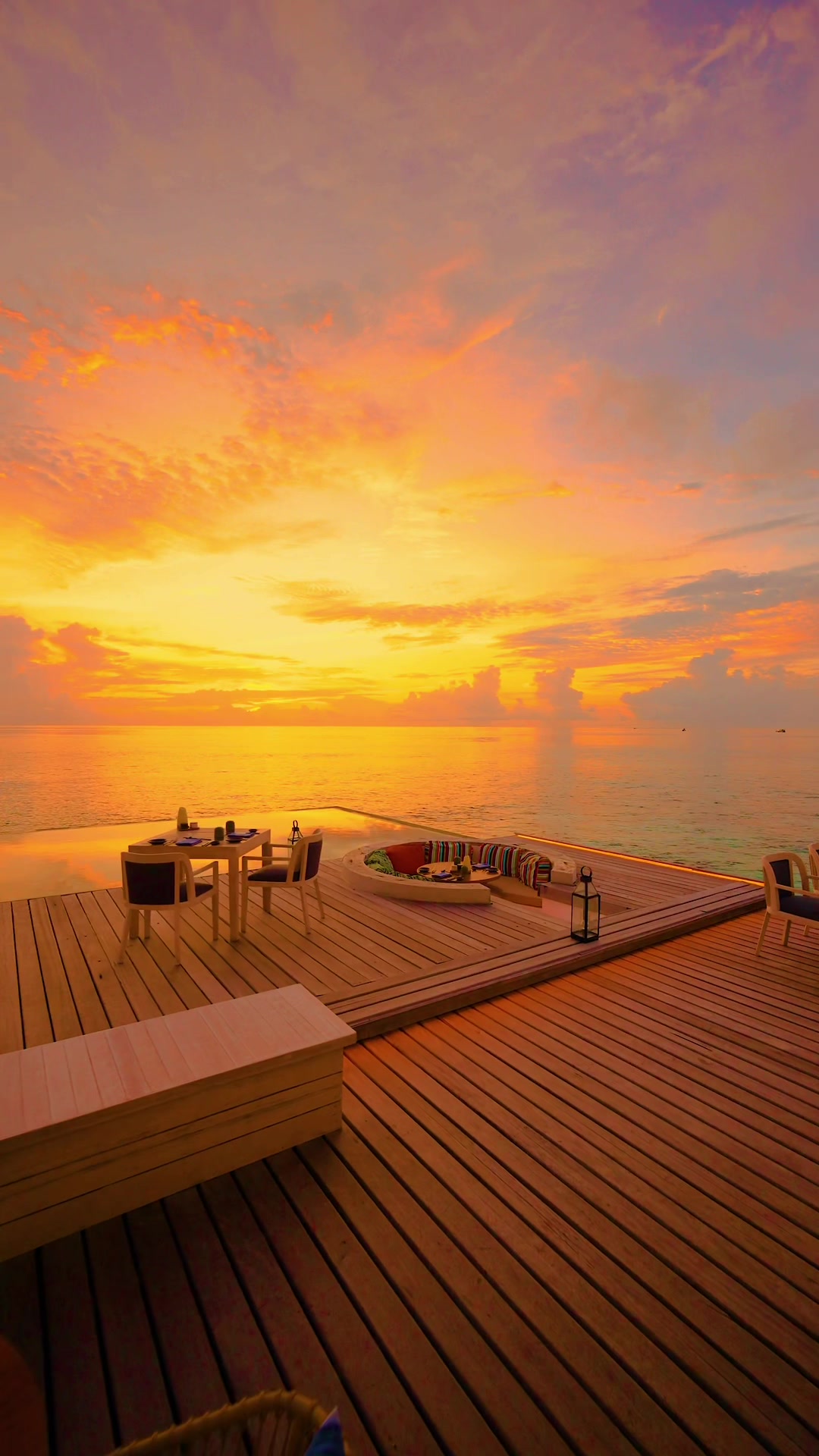
This means there really isn't a cold season in the Maldives. Even when clouds and rain arrive, temperatures normally remain pleasantly warm.
When Is the Maldives Sunny?
If your dream Maldives holiday involves blue skies, turquoise water, sunbathing, snorkeling, swimming, and long days on the beach, the northeast monsoon is generally the best period for sunshine.
The Maldives Meteorological Service identifies January through March as the dry northeast monsoon, while April is generally considered a transitional month.
January, February, and March receive particularly generous amounts of sunshine. According to the meteorological service, the Maldives averages around 10–11 hours of sunshine during these months, compared with roughly 7–9 hours during other months.
Best Months for Sunny Weather in the Maldives
For travelers whose highest priority is sunshine, consider:
January: Excellent time for sunshine, beaches, snorkeling, and outdoor activities.
February: Typically one of the most attractive months for travelers seeking sunny tropical weather.
March: Plenty of sunshine and warm temperatures, making it excellent for beach holidays and watersports.
April: Usually very warm and can still offer beautiful sunny days, although April is a transitional monsoon month and conditions can become more changeable.
Sunny weather is never guaranteed—even during the dry season—but January through March generally provide the most favorable conditions for travelers chasing sunshine.
When Does It Rain in the Maldives?
The rainy season in the Maldives generally begins around mid-May and continues through November, corresponding with the southwest monsoon.
Rainfall is higher during this period than during the northeast monsoon.
However, the term "rainy season" can be misleading for first-time visitors.

It does not necessarily mean that it rains continuously from morning until night every day.
Maldivian rainfall commonly occurs in showers, and the Maldives Meteorological Service notes that rainfall is normally showery and often does not last long, with sunny periods occurring between showers.
You might wake up to dark clouds and tropical rain, have sunshine before lunch, experience another shower in the afternoon, and watch a beautiful sunset in the evening.
Weather can change surprisingly quickly.
Which Months Are the Rainy Season in the Maldives?
The general weather pattern looks like this:
| Month | General Weather |
|---|---|
| January | ☀️ Mostly dry and sunny |
| February | ☀️ Mostly dry and sunny |
| March | ☀️ Mostly dry, sunny and warm |
| April | ☀️🌦️ Hot, sunny and transitional |
| May | 🌦️ Southwest monsoon begins around mid-month |
| June | 🌦️ Rainier and breezier |
| July | 🌦️ Mix of sunshine, clouds and showers |
| August | 🌦️ Tropical showers with sunny periods |
| September | 🌧️ Wet-season conditions |
| October | 🌧️ Wet-season conditions |
| November | 🌦️ Wet season gradually approaches its end |
| December | ☀️🌦️ Transitional period |
These are climate patterns rather than guarantees. Tropical weather varies from year to year and can also differ considerably between northern, central, and southern Maldives.
Does It Rain All Day During the Maldives Rainy Season?
Usually, no.
One of the biggest misconceptions about visiting the Maldives during the wet season is imagining seven consecutive days of nonstop rain.
That can happen during particularly unsettled weather, but it is not what "rainy season" automatically means.
Tropical rain can arrive suddenly and disappear just as quickly.
You could experience a heavy downpour for an hour followed by sunshine and blue skies.
The Maldives Meteorological Service specifically describes rainfall as commonly occurring in showery form with sunny periods in between.
Therefore, don't automatically cancel a Maldives holiday simply because your travel dates fall within the wet season.
Does It Rain Everywhere in the Maldives at the Same Time?
Not necessarily.
The Maldives stretches across a large north-to-south area of the Indian Ocean. Weather conditions can therefore differ between atolls.
One island might be experiencing rain while another part of the country has sunshine.
There are also regional differences in annual rainfall.
According to the Maldives Meteorological Service, average annual rainfall is approximately:
Northern atolls: 1,779 mm
Central atolls: 1,966 mm
Southern atolls: 2,218 mm
This means the southern Maldives generally receives more annual rainfall than the northern parts of the country.
What Is the Hottest Month in the Maldives?
The Maldives stays warm throughout the year, but the period from March through April and into the beginning of the southwest monsoon around mid-May is generally the warmest.
Average temperatures throughout the year are approximately 25°C to 32°C.
The surrounding Indian Ocean helps moderate temperatures, while sea breezes can make hot tropical days feel more comfortable.
There is therefore no need to wait for a traditional "summer" to visit the Maldives—the islands essentially experience summer-like temperatures throughout the year.
What to Do in the Maldives When It Rains
Rain doesn't have to ruin a Maldives holiday.
In fact, sitting inside a beachfront villa while tropical rain falls over the Indian Ocean can be one of the most peaceful experiences of the trip.
Here are some of the best things to do in the Maldives when it rains.
1. Enjoy a Spa Treatment
A rainy afternoon is an excellent opportunity to visit your resort's spa.
Book a massage, facial, couples treatment, steam room session, or other wellness experience while listening to tropical rain outside.
2. Relax in Your Villa
One of the pleasures of staying at a Maldives resort is that your accommodation can be part of the holiday experience.
Order food, make coffee, watch a movie, read a book, sit on your balcony, or simply watch the rain falling over the ocean.
If you're staying in an overwater villa, rainy weather can create an especially atmospheric experience.
3. Go for a Romantic Walk in the Rain
Warm tropical rain is very different from cold winter rain.
For couples, walking barefoot along a deserted beach during a light tropical shower can become one of the most romantic memories of a Maldives holiday.
Just avoid beaches and exposed areas during thunderstorms or severe weather.
4. Try Maldivian Food
A rainy day is a perfect excuse to slow down and explore Maldivian cuisine.
Depending on where you're staying, try traditional dishes and snacks featuring tuna, coconut, chili, lime, rice, and locally inspired flavors.
Enjoying hot tea or coffee while watching tropical rain over the ocean can be wonderfully relaxing.
5. Visit a Café or Restaurant
If you're staying on a local island or in Malé, spend a rainy afternoon discovering cafés and restaurants.
Rather than seeing rain as lost vacation time, use it as an opportunity to experience a slower side of island life.
6. Take Photos of the Tropical Rain
Not every Maldives photograph needs perfectly blue skies.
Dark storm clouds over turquoise lagoons can create dramatic photographs.
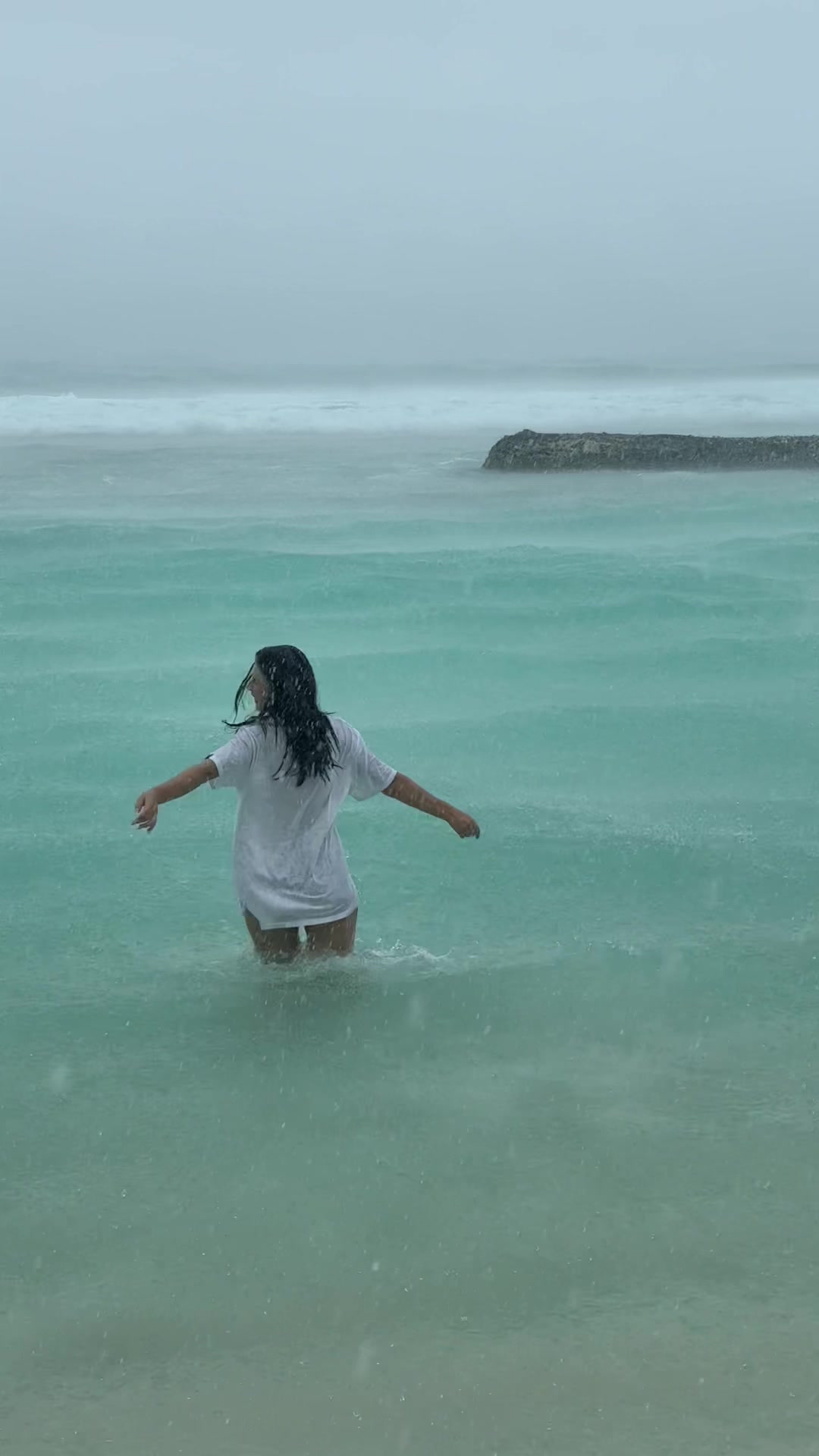
Rain-covered palm trees, reflections on wet streets, approaching storms, rainbows, and clouds over the ocean can produce some of the most interesting travel photography.
7. Play Indoor Games
Many Maldives resorts offer indoor entertainment such as:
-
Pool or billiards
-
Table tennis
-
Board games
-
Games rooms
-
Kids' clubs
-
Fitness centers
-
Indoor sports
-
Movie screenings
Available facilities depend on the resort.
8. Take a Cooking Class
Some resorts organize Maldivian or international cooking classes.
Learning how to prepare a traditional Maldivian dish can be an enjoyable alternative when outdoor excursions are postponed because of rain.
9. Visit the Gym
If you're staying at a resort with a fitness center, a rainy morning is a convenient time for a workout.
By the time you're finished, the clouds may already have cleared.
10. Simply Wait for the Sunshine
Sometimes the best rainy-day strategy in the Maldives is simply to wait.
Have lunch, enjoy a coffee, relax in your room, or take a nap.
Because showers can be relatively short, you may find blue skies returning sooner than expected. The official Maldives tourism site similarly highlights rainy-day experiences and notes that tropical rain can be part of enjoying the destination.
Can You Swim When It Rains in the Maldives?
Light rain alone does not necessarily prevent swimming, but weather and sea conditions matter much more than the rain itself.
Do not swim, snorkel, kayak, dive, or participate in watersports during thunderstorms, lightning, strong winds, rough seas, or when your resort, dive center, watersports operator, or local authorities advise against entering the water.
During unsettled monsoon weather, currents and waves can also become stronger.
Always follow local safety advice.
Is Snorkeling Good During the Rainy Season?
Snorkeling can still be enjoyable during the wet season, particularly during calm and sunny intervals.
However, rain, clouds, waves, wind, and disturbed water can temporarily reduce underwater visibility.
If snorkeling is one of your main reasons for visiting the Maldives, check conditions with your resort or local dive center each day rather than relying only on the season.
Is the Maldives Worth Visiting During the Rainy Season?
Absolutely—for the right traveler.
The rainy season can be attractive if you don't mind unpredictable weather.
You can still experience gorgeous sunny periods, warm seas, tropical scenery, beaches, snorkeling, diving, restaurants, spas, and island life.
The trade-off is that weather is less predictable than during the dry season.
Travelers who want the highest chance of long sunny days will generally prefer the dry season.
Travelers who are comfortable with occasional rain and changing conditions may find the wet season equally memorable.
Best Time to Visit the Maldives for Sunshine
If sunshine and beach weather are your priorities, January through March is generally the safest seasonal choice.
This period falls within the northeast monsoon or dry season and typically receives more sunshine than the southwest monsoon period.
December and April are transitional months, so weather patterns can be more variable.
Best Time to Visit the Maldives for Rain Lovers
There is something uniquely beautiful about tropical rain in the Maldives.
If you love dramatic clouds, lush green islands, warm rain, quieter moments indoors, and the sound of rainfall over the ocean, consider traveling during the southwest monsoon from roughly mid-May through November.
Just remember that "wet season" doesn't mean every day will be completely rainy.
Maldives Weather FAQ
What is the best month for good weather in the Maldives?
January, February, and March fall within the Maldives' dry northeast monsoon and generally offer favorable conditions for sunshine and outdoor activities.
What is the rainy season in the Maldives?
The official Maldives Meteorological Service describes the southwest monsoon, from approximately mid-May through November, as the wet season.
What is the dry season in the Maldives?
The northeast monsoon from January through March is the dry season. April and December are considered transitional periods.
Does it rain every day during the Maldives wet season?
No. Rainfall varies considerably. Showers can be followed by sunny periods, and conditions can differ from one part of the Maldives to another.
Is the Maldives warm when it rains?
Yes. The Maldives remains warm throughout the year, with average temperatures generally ranging from around 25°C to 32°C.
Can I visit the Maldives in June, July, or August?
Yes. These months fall within the southwest monsoon, so you should expect a greater possibility of rain, clouds, wind, and changing conditions. However, sunny periods are still possible.
Can I visit the Maldives in September or October?
Yes, but September and October are within the wet season. Travelers should be prepared for variable weather and tropical showers rather than expecting uninterrupted sunshine.
Does it get cold in the Maldives?
Generally, no. The Maldives has a tropical climate and stays warm throughout the year.
When is the Maldives sunniest?
January through March generally offers excellent sunshine. The Maldives Meteorological Service reports approximately 10–11 hours of sunshine on average during January, February, and March, compared with around 7–9 hours during other months.
Final Thoughts: Don't Be Afraid of Maldives Rain
There is no single "perfect" month for everyone to visit the Maldives.
If you dream about bright sunshine, blue skies, calm beach days, and spending as much time outdoors as possible, the dry northeast monsoon—particularly January through March—is generally your best choice.
If you don't mind occasional tropical showers, the May-to-November wet season can still provide beautiful island experiences.
And remember: rain in the Maldives doesn't automatically mean a ruined day.
A tropical shower can turn the lagoon silver, deepen the green of coconut palms, cool the afternoon air, and create an entirely different atmosphere across the islands. Then, sometimes only a short while later, the clouds break apart and the famous Maldivian sunshine returns.
That unpredictability is part of experiencing a tropical island nation.

 Dhivehi
 English
 French
 Spanish
 Portuguese
 Deutsch
 Turkish
 Dutch
Dutch
 Italiano
 Russian
 Romaian
 Portuguese (Brazil)
 Greek
Greek