

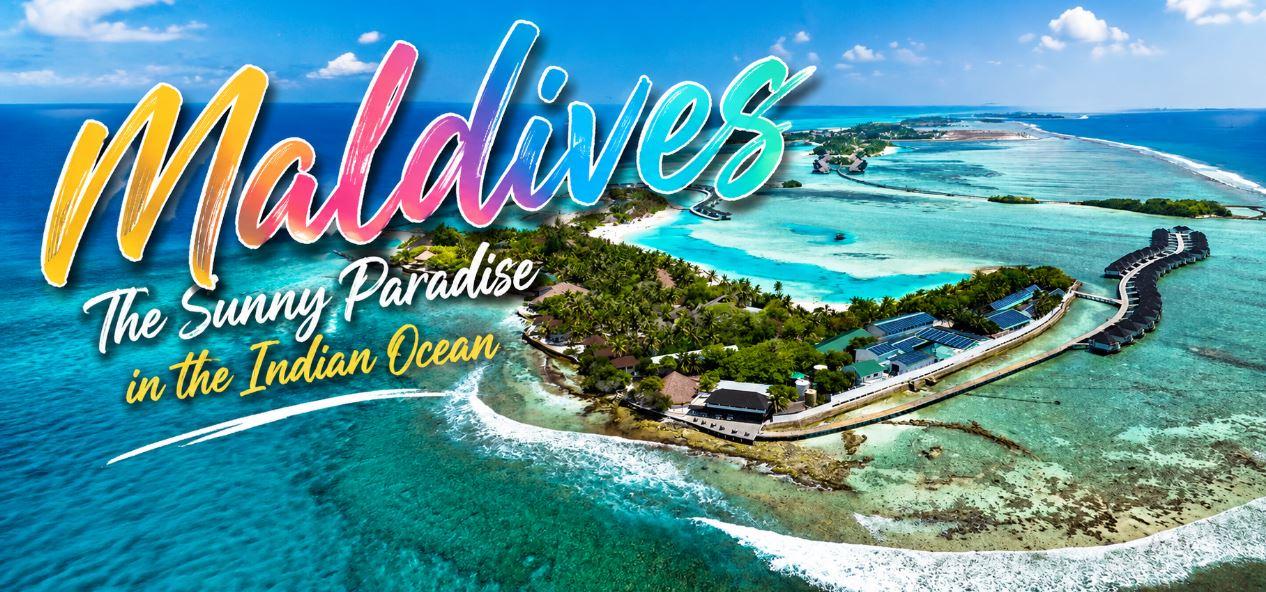
The Maldives is a tropical island nation in the Indian Ocean famous for turquoise lagoons, white-sand beaches, coral reefs, luxury resorts, overwater villas and extraordinary marine life. For travelers dreaming of a tropical holiday, honeymoon, diving adventure or peaceful beach escape, the Maldives is one of the most distinctive destinations in the world.
While photographs often show isolated villas surrounded by impossibly blue water, there is much more to the Maldives than luxury resorts. The country is home to inhabited local islands, fishing communities, a unique island culture, bustling urban areas and an enormous marine environment filled with coral reefs, tropical fish, manta rays, sharks, dolphins and sea turtles.
This Maldives travel guide covers where the Maldives is located, its population, how to reach the Maldives, transportation between islands, places to stay and the best things to do during a Maldives holiday.
Where Is the Maldives Located?
The Maldives is an island country located in the Indian Ocean, southwest of India and Sri Lanka. The archipelago stretches across the equator and consists of 1,192 islands grouped into a double chain of 26 natural atolls. The islands extend for approximately 871 kilometers from north to south.
Although the Maldives occupies an extensive area of ocean, its total dry-land area is only about 298 square kilometers. This unusual geography is one of the reasons the country looks so spectacular from the air: small green islands and white sandbanks appear scattered across huge lagoons in countless shades of blue.
Only around 200 Maldivian islands are inhabited, while other islands are used for tourist resorts, agriculture, industry and other purposes.
The capital is Malé, one of the country's main centers for government, commerce and everyday urban life.
What Is the Population of the Maldives?
According to the Maldives Population and Housing Census 2022, the country had a total resident population of 515,132 people. This consisted of 382,639 resident Maldivians and 132,493 resident foreign nationals.
The population is distributed very differently from that of most countries because communities are separated by the sea. Some people live in the Greater Malé area, while many others live on inhabited islands spread across the atolls. There are also substantial populations living and working on resort, industrial and other islands.
This scattered population and island geography have played an important role in shaping Maldivian culture, transportation, fishing traditions and daily life.
What Is the Maldives Famous For?
The Maldives is best known internationally for its white-sand beaches, crystal-clear lagoons, coral reefs and luxury island resorts.
One of its greatest natural attractions, however, lies beneath the surface of the Indian Ocean. The country's reefs support an enormous variety of marine life. Visit Maldives notes that the country is home to roughly five percent of the world's reefs and around a thousand species of fish, while larger marine animals such as manta rays and whale sharks are also found in Maldivian waters.
This combination makes the country particularly attractive for snorkeling, scuba diving, underwater photography and other ocean activities.
How to Reach the Maldives
For most international travelers, the easiest way to reach the Maldives is by air.
The country's principal international gateway is Velana International Airport (MLE), located on Hulhulé near the capital, Malé. Maldives Airports Company Limited operates Velana International Airport, including its international passenger facilities and the Noovilu Seaplane Terminal.
Travelers can reach the Maldives through international flights connecting the islands with major cities and aviation hubs in Asia, the Middle East, Europe and other regions.
After arriving at the airport, your journey may not be finished. Because the Maldives consists of hundreds of islands spread over a vast area, visitors normally need another form of transportation to reach their hotel, guesthouse or resort.
How Do You Travel Between Islands in the Maldives?
Transportation depends largely on how far your destination is from the airport.
Speedboats are widely used for resorts and inhabited islands within practical boating distance of the Greater Malé area. They are convenient because travelers can often continue directly from the airport to their destination.
Seaplanes provide one of the most memorable ways to travel to more distant resorts. During daylight flights, passengers can see spectacular aerial views of circular reefs, sandbanks, lagoons and tiny islands surrounded by the Indian Ocean.
Domestic flights connect the Greater Malé region with airports in different parts of the country. After landing at a regional airport, travelers may continue to their final island by speedboat.
Local ferries are another transportation option on certain routes, particularly for people traveling between inhabited islands. They can be considerably slower than speedboats but may offer a more affordable way to experience local island travel.
Before booking accommodation, always check the required transfer method, transfer price and schedule. A resort that appears inexpensive initially can become considerably more expensive once domestic flights, seaplanes or private speedboat transfers are included.
Best Things to Do in the Maldives
A Maldives vacation can be as relaxed or as adventurous as you want. Although spending the day beside a turquoise lagoon is perfectly reasonable, there are plenty of activities for travelers who want to explore.
1. Relax on a White-Sand Beach
The classic Maldives experience is simply enjoying the beach.
Many islands have soft white sand, tropical vegetation and clear shallow lagoons. You can swim, sunbathe, walk along the shoreline or watch the colors of the ocean change throughout the day.
For couples, the quiet beaches and secluded island atmosphere are among the reasons the Maldives remains a popular honeymoon destination.
2. Go Snorkeling
Snorkeling in the Maldives is one of the easiest ways to discover the country's marine environment.
Depending on the island and reef conditions, you may encounter colorful reef fish, corals, rays, turtles and other marine creatures.
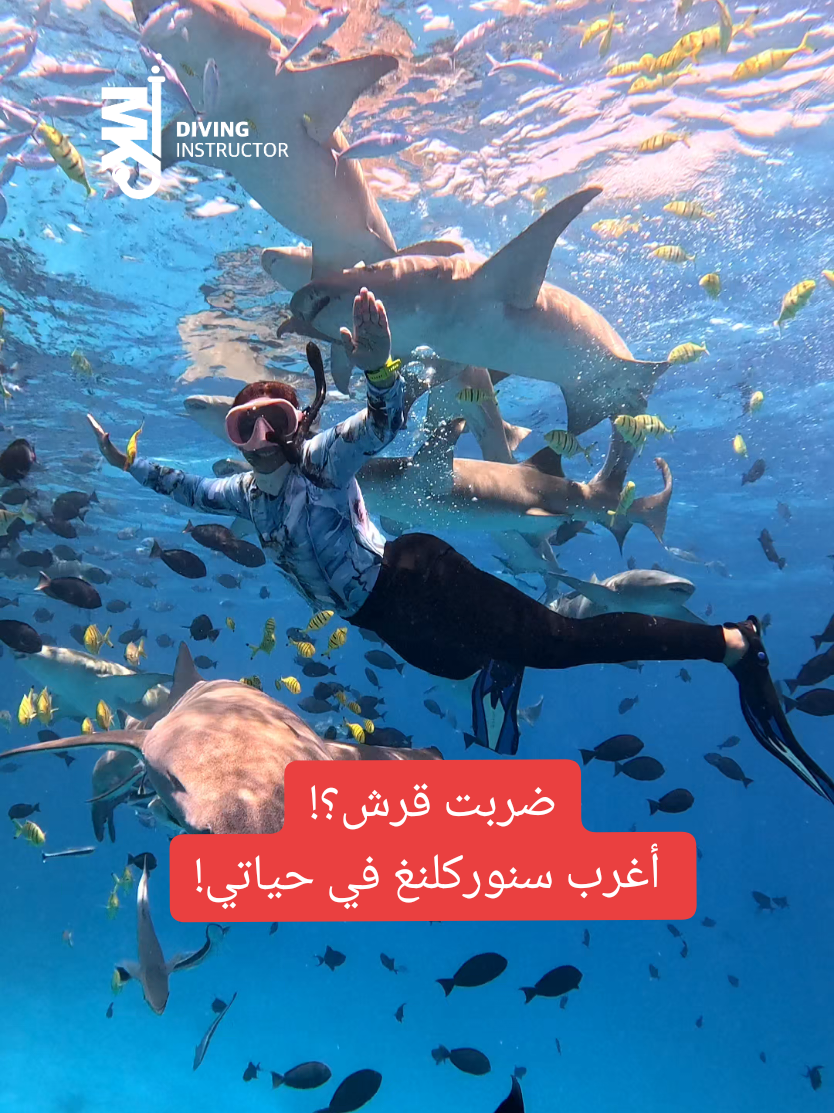
Some resorts and local islands have reefs that can be reached directly from the beach, while others organize snorkeling trips by boat.
3. Try Scuba Diving
The Maldives is an outstanding destination for scuba diving.
Its reefs, channels, underwater pinnacles and ocean currents create habitats for an impressive range of marine life. Depending on the location and season, divers may encounter sharks, rays, turtles, schools of tropical fish and larger pelagic species.
There are dive centers throughout the country offering experiences for beginners as well as certified divers.
4. Search for Manta Rays
Seeing a manta ray moving through the water is an unforgettable Maldives experience.
Manta sightings are seasonal and depend on location and ocean conditions, so travelers specifically interested in manta rays should research the best atoll and season before booking their accommodation.
Responsible excursions should give animals sufficient space and avoid disrupting their natural behavior.
5. Go on a Whale Shark Excursion
Whale sharks are another major attraction for marine-life enthusiasts visiting the Maldives.
These enormous but graceful animals can be encountered in certain areas of the country. Excursions typically involve traveling by boat with guides who search for whale sharks and, when conditions permit, allow guests to enter the water.
Wildlife sightings can never be guaranteed, which is part of what makes a genuine encounter so special.
6. Watch Dolphins in the Indian Ocean
Dolphin-watching cruises are offered by many resorts and guesthouses.
A late-afternoon boat trip can combine dolphin spotting with a beautiful Maldives sunset. Responsible operators should observe dolphins without chasing, feeding or crowding them.
7. Experience a Maldives Sunset Cruise
The islands are particularly beautiful around sunset.
A sunset cruise takes visitors away from the island to watch the sun disappear across the open Indian Ocean. Some cruises are designed for couples, while others are suitable for families or groups.
Even without a cruise, watching the sunset from a beach, jetty or waterfront café is one of the simplest pleasures of a Maldives holiday.
8. Visit a Local Island
Travelers interested in discovering the country beyond resorts should consider spending time on an inhabited local island.
Visit Maldives highlights local islands as places where visitors can experience an island lifestyle shaped by the sea and learn about Maldivian culture, cuisine and traditions.
Local-island tourism has also made traveling in the Maldives accessible to a wider range of budgets, with guesthouses, cafés, dive centers and excursion providers operating on numerous inhabited islands.
Visitors should remember that inhabited islands are real communities rather than private tourist resorts. Respect local customs and follow local rules concerning clothing and behavior.
9. Experience Maldivian Food
Trying local food is another way to understand Maldivian culture.
Fish—particularly tuna—has traditionally played an important role in Maldivian cuisine. Coconut, chili, onion, lime and flatbreads also feature in many dishes.
Travelers staying on inhabited islands have particularly good opportunities to visit local cafés and try everyday Maldivian meals rather than eating exclusively from international resort menus.
10. Go Kayaking
The calm lagoons surrounding many islands are excellent for kayaking.
Kayaking allows visitors to explore the coastline at their own pace while enjoying clear water and tropical scenery. Some properties also provide transparent or glass-bottom kayaks that offer views into the lagoon below.
11. Try Jet Skiing
For travelers looking for something faster, jet skiing in the Maldives combines watersports with spectacular ocean scenery.
Jet ski tours may take visitors around islands, across lagoons or to nearby sandbanks. Always follow designated routes and local environmental restrictions, particularly around reefs and sensitive marine habitats.
12. Go Parasailing
Parasailing provides a completely different perspective of the Maldives.
From high above the water, travelers can see the contrast between deep-blue ocean, turquoise lagoons, white beaches and green islands.
It is one of the best activities for visitors who want an aerial view without taking a dedicated scenic flight.
13. Try Surfing
The Maldives also has an established surfing scene.
Different regions have different breaks and seasonal conditions. Some waves are suited to experienced surfers, while surf schools and guided experiences may be available for less experienced visitors.
In Fuvahmulah, for example, the official Visit Maldives atoll guide highlights Thoondu as a distinctive beach-break surfing location and identifies the southwest monsoon period as an important surfing season there.
14. Visit a Sandbank
Tiny sandbanks surrounded entirely by turquoise water create some of the most recognizable Maldives scenery.
Hotels, resorts and excursion companies frequently arrange sandbank trips for swimming, snorkeling, photography or private picnics.
Because sandbanks can have almost no shade, sun protection and drinking water are essential.
15. Go Fishing
Fishing has been central to Maldivian island life for generations.
Tourism operators offer several types of fishing excursions, including traditional-style sunset fishing and specialized sport-fishing trips. Some excursions allow guests to have legally caught fish prepared afterward.
16. Enjoy a Romantic Dinner
The Maldives is particularly famous as a destination for couples.
Many resorts can arrange private beach dinners, sunset dining, floating breakfasts or special meals overlooking the lagoon.
Combined with secluded accommodation and tropical surroundings, these experiences have helped establish the Maldives as one of the world's best-known honeymoon destinations.
17. Stay in an Overwater Villa
An overwater villa in the Maldives is a bucket-list experience for many visitors.
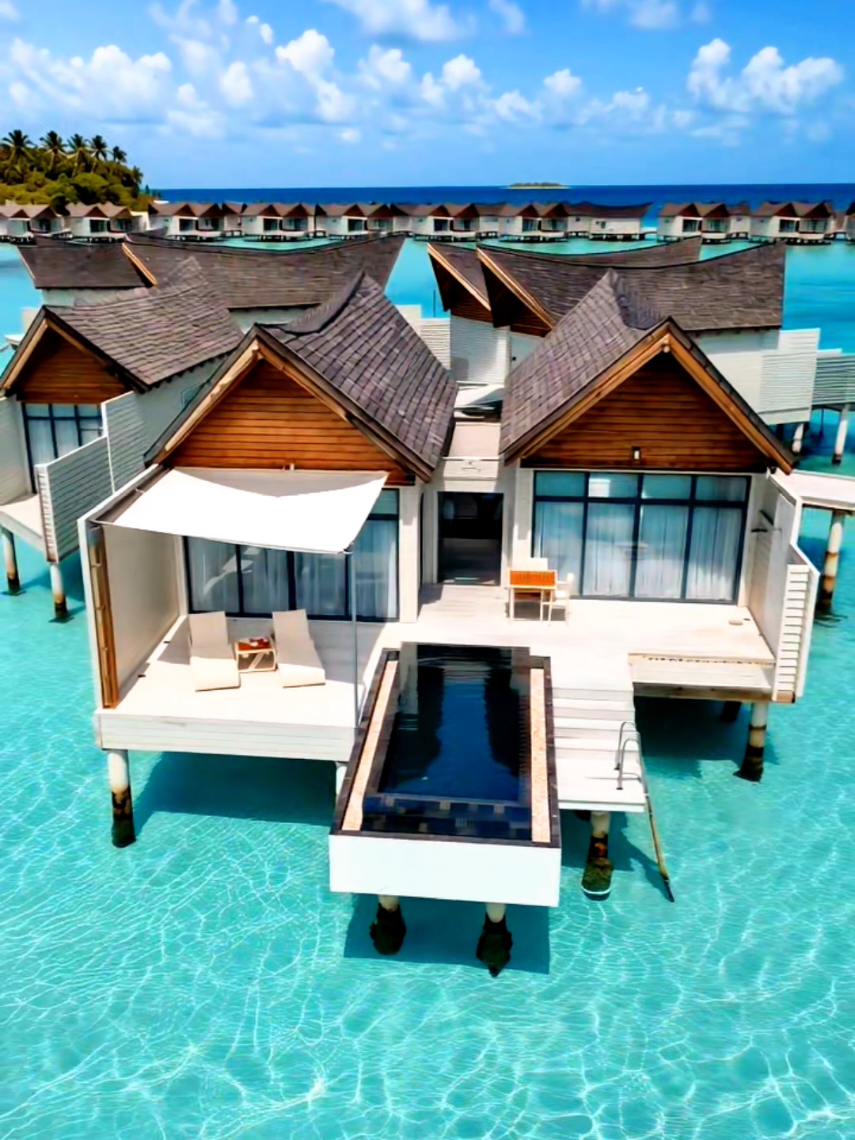
These villas are constructed over a lagoon and often feature private decks with direct access to the water. High-end properties may add private pools, glass-floor sections and large outdoor relaxation areas.
However, an overwater villa is not necessary to enjoy the Maldives. Beach villas and local-island guesthouses can offer equally memorable experiences at very different price points.
Resort Islands vs Local Islands
One of the most important decisions when planning a Maldives trip is whether to stay at a private resort or an inhabited local island.
A resort island usually provides an all-in-one holiday environment with accommodation, restaurants, watersports, excursions, spas and beaches managed primarily for guests. Luxury resorts may also offer overwater villas and extensive private facilities.
Local islands provide a different experience. Visitors stay in guesthouses or hotels within an existing Maldivian community and can interact more closely with local life.
For many travelers, combining both experiences is ideal: spend several days exploring a local island and then finish the holiday at a resort.
Is the Maldives Only for Luxury Travelers?
No.
Although the Maldives is internationally associated with expensive private-island resorts, there are options for different budgets.
Local-island guesthouses have significantly expanded the range of accommodation available to independent travelers. Travelers can stay in smaller hotels, eat at local cafés and book snorkeling, diving, fishing and sandbank excursions from local operators.
At the other end of the market, the Maldives offers some exceptionally luxurious resorts featuring private pools, personal butlers, spas, fine dining and exclusive villas.
The destination can therefore be approached as anything from a relatively simple tropical island holiday to an ultra-luxury vacation.
Best Time to Visit the Maldives
The Maldives has a warm tropical climate throughout the year, so there is no single month when travel is possible and another when it is not.
Weather patterns are influenced by monsoons. Generally, the drier part of the year is especially popular with travelers seeking sunshine, beach conditions and clear skies, while the wetter monsoon period can bring more rain, wind and cloud.
However, weather in a tropical archipelago can be highly localized. One island may receive a shower while another nearby remains sunny.
Seasonality can also depend on what you want to do. Surfing conditions and encounters with certain marine species vary by region and season.
How Many Days Do You Need in the Maldives?
For a straightforward beach holiday, around five to seven nights can provide enough time to relax and enjoy several activities.
A stay of seven to ten nights gives travelers more flexibility for diving, snorkeling, watersports, excursions and poor-weather days.
Travelers planning to visit multiple islands should consider a longer stay because transfers can consume a significant part of a day.
Instead of trying to visit as many islands as possible, it is often better to choose one or two destinations carefully and spend more time enjoying them.
What to Pack for a Maldives Vacation
Lightweight clothing is suitable for the tropical climate. Swimwear, sunglasses, a hat, reef-conscious sun protection and comfortable sandals are useful for most holidays.
A waterproof bag can be valuable for speedboat journeys and excursions, while underwater cameras or action cameras are popular with snorkelers and divers.
Travelers visiting inhabited islands should also bring clothing appropriate for local communities. Beachwear that is normal inside a private resort may not be suitable everywhere on a local island.
Maldives Culture and Local Life
The Maldives should not be viewed solely as a collection of holiday resorts.
It is a country with centuries of maritime history and distinctive communities whose lives have long been connected to fishing, boats, monsoon weather and the surrounding ocean.
Maldivian culture, cuisine and crafts have developed through the resources available on the islands and historical connections across the Indian Ocean.
Visiting an inhabited island, trying local food and speaking with local residents can therefore add an entirely different dimension to a Maldives vacation.
Why Is the Maldives So Special?
Few destinations combine ocean, islands and coral reefs on the same scale.
The Maldives stretches across 1,192 coral islands and 26 natural atolls, yet has only a tiny amount of dry land compared with the enormous ocean area surrounding it.
That geography creates the landscapes for which the country is famous: brilliant turquoise lagoons, isolated sandbanks, coral reefs, tiny palm-covered islands and deep-blue channels.
But the real attraction is the variety of experiences available within that environment.
One traveler can spend the morning scuba diving, another can kayak through a quiet lagoon, a couple can relax on an isolated beach, and another visitor can explore the streets of a local island and experience everyday Maldivian life.
Frequently Asked Questions About the Maldives
Where is the Maldives?
The Maldives is an island nation in the Indian Ocean, southwest of India and Sri Lanka. It stretches across the equator and consists of 26 natural atolls and 1,192 islands.
What is the capital of the Maldives?
The capital of the Maldives is Malé.
What is the population of the Maldives?
The 2022 census recorded 515,132 residents, including 382,639 resident Maldivians and 132,493 resident foreigners.
How do tourists reach the Maldives?
Most international visitors arrive by air through Velana International Airport (MLE). Travelers then continue to their accommodation by speedboat, seaplane, domestic flight or another local transfer, depending on the destination.
What are the best things to do in the Maldives?
Popular Maldives activities include snorkeling, scuba diving, kayaking, jet skiing, parasailing, surfing, fishing, dolphin watching, manta ray and whale shark excursions, sunset cruises, sandbank trips and local-island visits.
Is the Maldives good for a honeymoon?
Yes. Private islands, secluded beaches, overwater villas, sunset cruises and romantic dining experiences make the Maldives particularly popular with honeymooners and couples.
Can you visit the Maldives on a budget?
Yes. Staying in guesthouses on inhabited islands, eating at local restaurants and using shared transportation and excursions can make a Maldives trip considerably more affordable than staying exclusively at luxury resorts.
Is the Maldives worth visiting?
For travelers who enjoy beaches, tropical islands, snorkeling, diving, marine wildlife and ocean activities, the Maldives offers an environment that is difficult to replicate elsewhere.
Final Thoughts: Planning Your Maldives Holiday
The Maldives is much more than a luxury beach destination. It is an extraordinary island nation shaped by the Indian Ocean, with hundreds of islands, coral reefs, thriving marine ecosystems and communities whose history and culture are closely connected to the sea.
You can spend your Maldives holiday relaxing in an overwater villa, snorkeling over a coral reef, diving with large marine species, kayaking across a lagoon, visiting a sandbank, surfing tropical waves or discovering everyday life on an inhabited island.
Whether you are planning a Maldives honeymoon, family vacation, diving holiday, luxury escape or affordable local-island adventure, choosing the right island and transfer method is one of the most important parts of planning your trip.
For many visitors, however, the greatest attraction is remarkably simple: stepping onto a white-sand beach, looking across an almost impossibly blue Indian Ocean and realizing that the Maldives really can look as spectacular as the photographs.

 Dhivehi
 English
 Arabic
 Spanish
 Portuguese
 Deutsch
 Turkish
 Dutch
Dutch
 Italiano
 Russian
 Romaian
 Portuguese (Brazil)
 Greek
Greek